
Blog
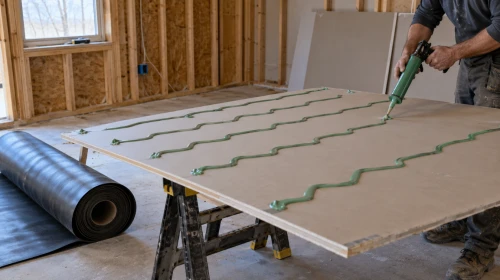
Mass-loaded vinyl vs Green Glue: mass vs damping, which one suits added drywall, ducts, pipes, and floors, and the sealing mistakes that waste both.

Bass traps vs acoustic panels: why thin panels miss low frequencies, how thick corner traps fix boomy bass, and when a room needs both.
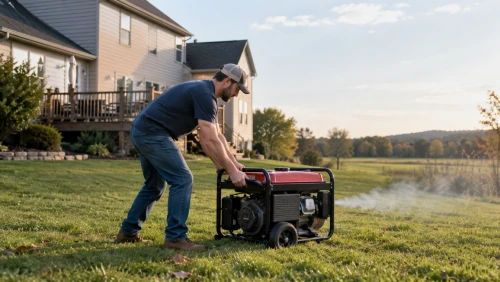
How to reduce generator noise: free fixes like distance and eco mode, plus barrier walls and quiet boxes that keep airflow and exhaust safe.
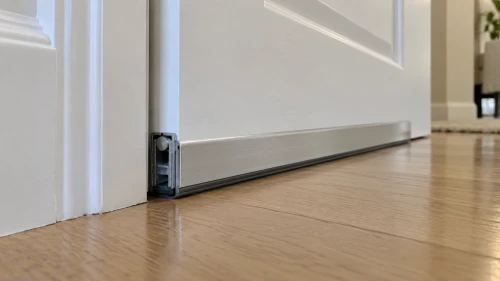
Door sweep vs under-door seal: see how sweeps and automatic door bottoms differ in contact, wear, and seal tightness, and which suits your door.

A practical guide to reducing room echo: start with rugs and curtains, then add acoustic panels and ceiling clouds where reflections are strongest.
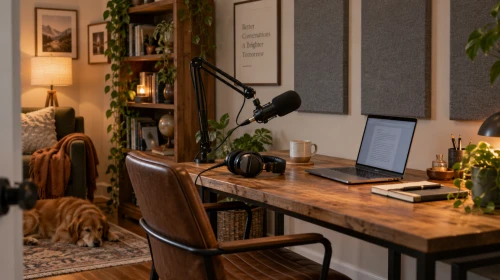
A home podcast setup on a budget: pick a small furnished room, treat reflection points, start with a USB dynamic mic, and record in Audacity or GarageBand.

Why does the same voice sound clear in one room and muddy in another? Learn how reflection, absorption, and reverberation time shape room acoustics.
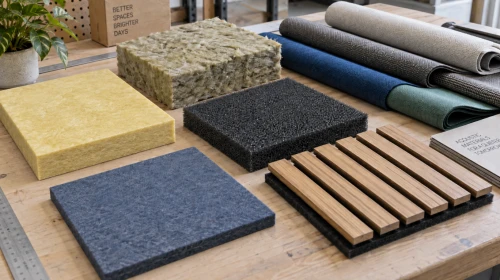
Rigid fiberglass, mineral wool, foam, PET felt, or wood? Compare acoustic panel core materials and facing fabrics by absorption, durability, and best-fit rooms.
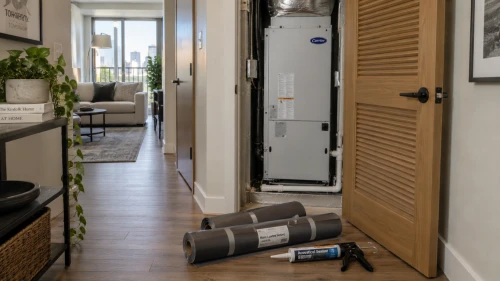
Why your HVAC closet is so loud and how to fix it: seal the door, add mass loaded vinyl or double drywall, and isolate the air handler from the floor.