
Sound Isolation Products and Materials

$6.25
$252.00
$4.00
$49.00
$149.00
$249.00
$0.00
$14.00
$18.00
$125.00
Sound isolation keeps noise from passing between rooms, floors, and units. The materials that do this add weight to a structure, absorb vibration within it, or separate one layer from another so that vibration has no route across; a working assembly almost always combines several of them.
One distinction saves people money before they order. Acoustic panels and curtains reduce echo and improve how a room sounds from the inside; they have almost no effect on what your neighbor hears. Those products live under sound absorption. If the problem is noise crossing a wall, ceiling, or door, everything you need is on this page.
Below: each category of sound isolation products we carry, where it sits inside the assembly, and what it costs.
How Sound Isolation Works
Noise reaches the next room two ways at once. Part of it slips through openings around outlets, trim, and the floor track. The rest shakes the drywall, which shakes the framing, which shakes the surface on the far side and radiates it back into the air.
Three mechanisms deal with this. Mass makes a surface harder to set in motion, which is the job of dense sound insulation materials like mass-loaded vinyl. Damping converts vibration into a small amount of heat within a flexible layer sandwiched between two rigid layers. Decoupling removes the mechanical connection entirely, so vibration reaching the studs has no direct path onward.
Leaving one mechanism out usually caps the result. Screwing a second sheet of drywall onto framing that was never decoupled gives you mass with a rigid bridge still intact, and the improvement rarely matches the labor.
STC (Sound Transmission Class) is the rating used to compare finished assemblies. It applies to a complete wall, floor, or ceiling build tested in a lab, so no single product carries a meaningful STC figure on its own. We publish tested data at the product level and go through the full build with you before you order, since the number depends on what you put around the material.
Sound Isolation Products by Type
Each group below handles one part of the job. Their order inside the assembly matters as much as which ones you pick.
Damping Compounds
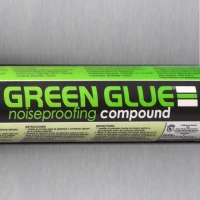
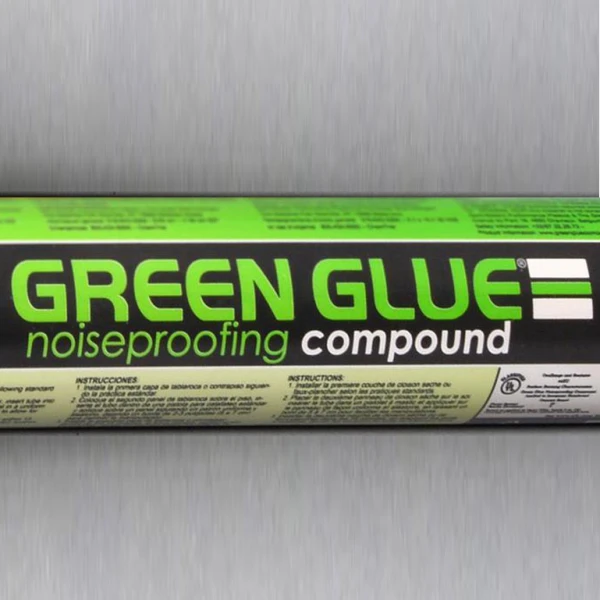
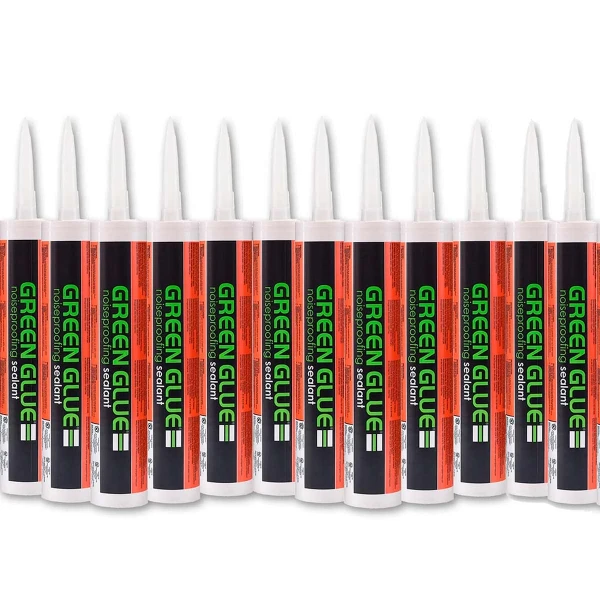
Damping compound goes between two layers of drywall, plywood, or subfloor and stays flexible for the life of the wall. When the panels flex, the layer shears and bleeds off energy before it crosses.
Green Glue is the reference product here, and it suits renovations because it rides along with the work you're already doing: hang a second board over the existing one, with compound in between. Coverage per tube and cure time are on the product page.
Mass Barriers
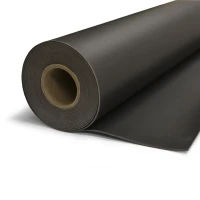
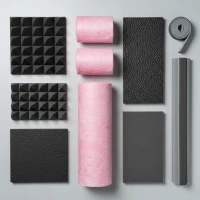
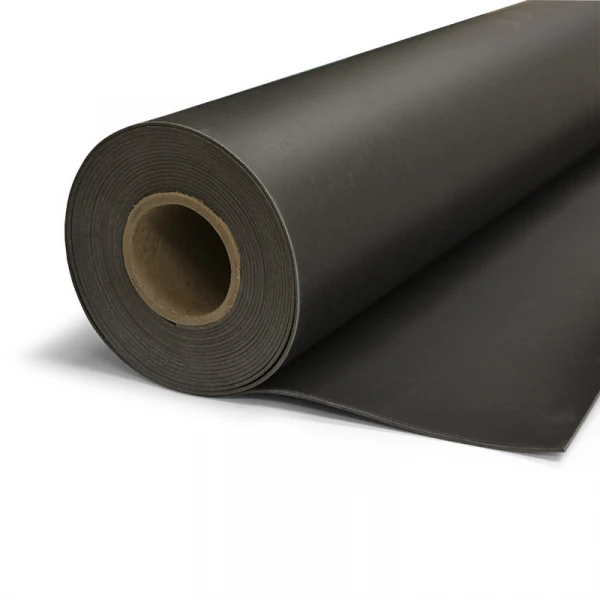
Mass barriers add weight without eating much depth, which matters in apartments where every inch of floor area counts. Mass-loaded vinyl is a limp, dense sheet that staples to studs, lays under subfloor, or wraps noisy ductwork and plumbing stacks.
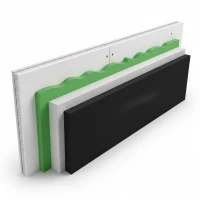
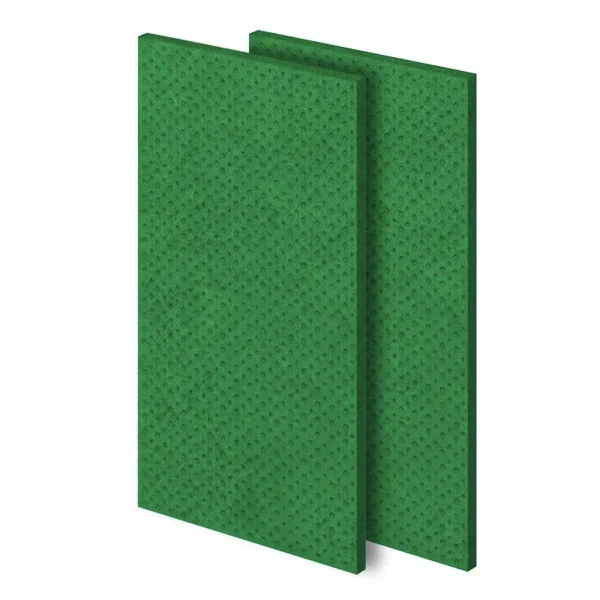
SONOpan works differently: a rigid panel installed like sheathing, combining mass with an internal structure that disrupts transfer. Available in 4' x 8' and 4' x 4' sheets, priced on request.
Both disappear behind the finish layer once the room is done.
Mass loaded vinyl → | SONOpan →
Isolation Clips
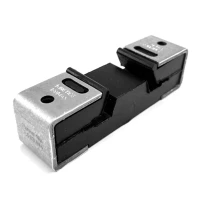
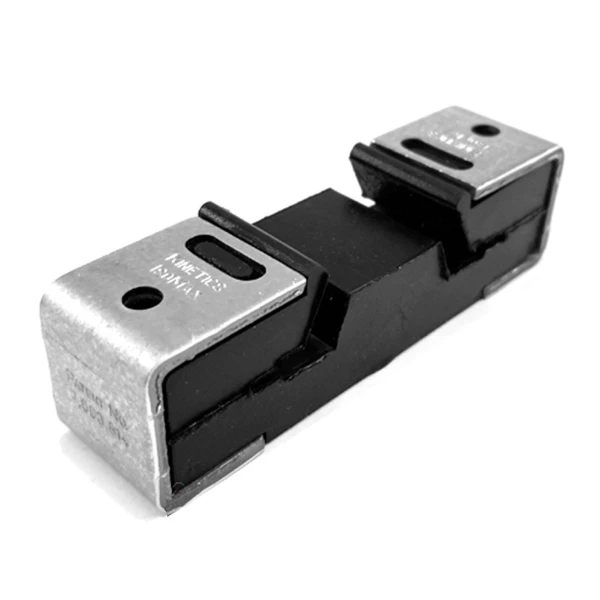
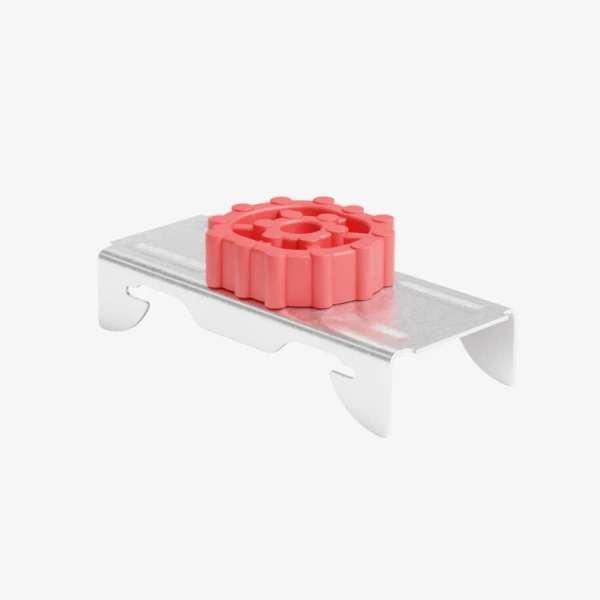
Clips hold a hat channel that carries the drywall, so the finish surface never touches framing. Vibration arriving at the stud has nowhere convenient to go. For footfall noise and low-frequency music, this does more than any other single step, and it's the one most DIY projects leave out.
Spacing is based on the finished assembly's weight, with load ratings and layout guidance on each product page. Worth repeating: one screw long enough to reach past the channel into framing removes the benefit across that whole section.
Acoustical Sealants
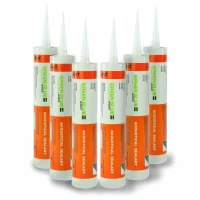
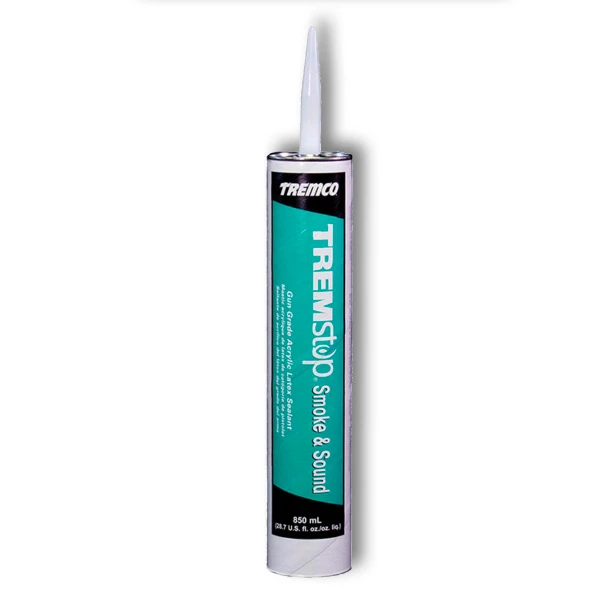
Air gaps pass sound with no resistance whatsoever. A wall built with three careful layers can still underperform if the perimeter, outlet boxes, and track were left open, which is the most common reason a finished job disappoints. Acoustical sealant remains permanently flexible, so the seal withstands seasonal movement in the building.
Sealant costs the least of anything in the catalog and punishes omission the hardest.
Door Seals
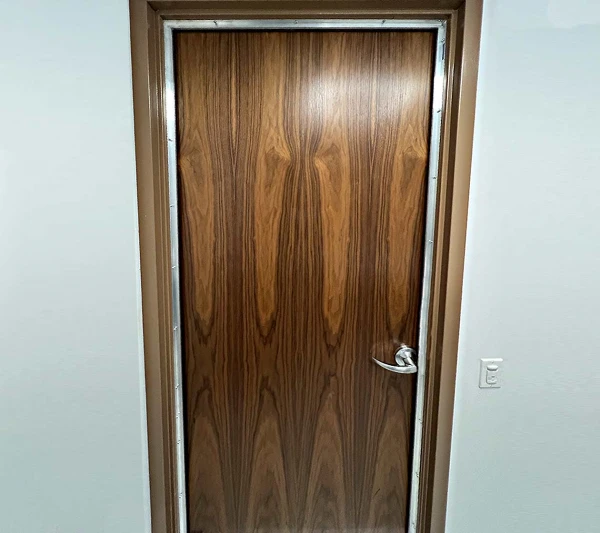
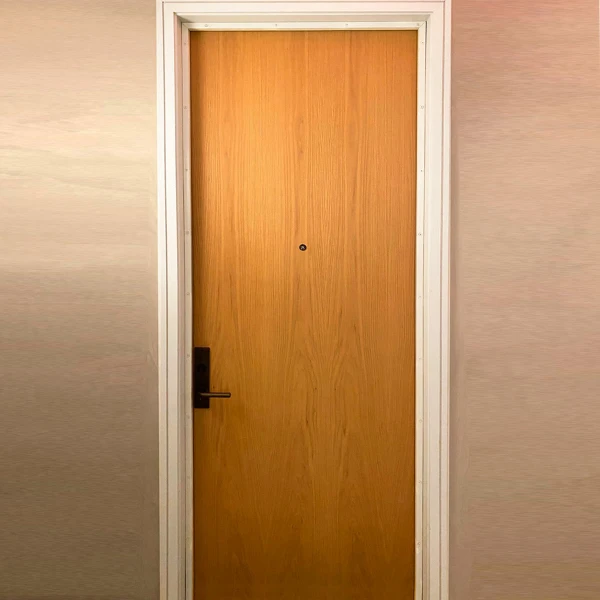
A door is a light panel hung with gaps on four sides, sitting in the middle of a wall you just paid to reinforce. Sealing it usually returns the most audible improvement per dollar in the entire project.
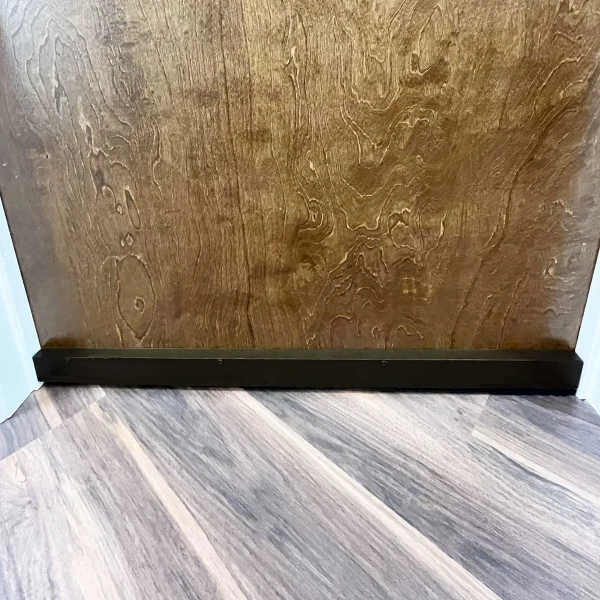
Perimeter seals close the head and jambs. Automatic door bottoms drop a seal to the threshold when the door shuts and lift clear when it opens, so nothing drags on carpet.
Sound Isolation for Walls and Ceilings
The same materials appear in both. What changes is which path dominates and how much depth you can give up.
Walls
Walls mostly deal with airborne noise: speech, television, traffic, music through a shared partition. Drywall screwed to both faces of one stud row hands sound a structural bridge, so cavity insulation on its own produces modest results. A working build layers insulation, decoupling on at least one face, added mass, and a sealed perimeter.
Ceilings
Ceilings carry impact noise on top of airborne noise, and footsteps behave nothing like speech. Impact energy enters the structure directly at the floor above, so added mass below helps less than decoupling. Clips and channel under the joists, insulation in the cavity, and a damped double layer of board is the standard approach, with headroom setting the practical limit in most apartments and basements.
Floors and Doors
Floor noise is usually cheaper to treat from below with a decoupled ceiling than by rebuilding the floor. Doors remain the weakest element in any finished room and belong at the top of the list in any noise-control project.
How to Choose the Right Materials
Two questions narrow things quickly. Which direction is the noise moving, in or out? And what kind is it, airborne like voices and music, or structure-borne like footsteps, HVAC, and machinery?
Match the Material to the Noise
Airborne noise responds to mass and damping. A mass barrier with a damped second layer of board settles most speech and television complaints between adjacent rooms.
Structure-borne noise responds to decoupling before anything else. When someone walks overhead and you feel it as much as hear it, clips and channels will outperform another sheet of drywall by a wide margin.
Low frequencies stay the hardest and priciest part of the work. Bass from a home theater or a drum kit demands mass, decoupling, and airtight sealing together, and partial measures show their limits in that range first.
Common Mistakes
- Treating one surface and stopping. Sound takes whatever path remains. A reinforced wall with an untouched hollow-core door performs about as well as the door does.
- Leaving gaps. Open outlet boxes, floor tracks, and ceiling perimeters give back a large share of what the assembly earned.
- Confusing absorption with isolation. Foam and fabric improve the sound inside a room and provide almost no sound-blocking material function between rooms.
- Bridging the decoupling. A single long screw through the channel into framing cancels the separation locally.
- Assuming a rating transfers. An STC figure earned by a full lab assembly says nothing about a partial version of that build.
Achieving useful results on a limited budget is realistic once the target is honest. Sealing a door, closing outlets, and adding one damped layer costs a fraction of a full decoupled build and handles ordinary household noise. Isolation to studio standards is a different budget and a different assembly. These materials go into bedrooms, home theaters, commercial interiors, and churches, with the build changing more than the shopping list.
Ordering from Sound Pro Solutions
Choosing sound isolation products takes minutes; choosing the right combination for your building is where projects go sideways. We work with homeowners, architects, engineers, and contractors on both sides of that.
Specification Support
Send room dimensions, the existing construction, and a description of the noise, and we'll help assemble a materials list in the correct sequence. We supply materials and consultation, and we don't perform installation work, so when a job calls for a contractor, we'll say so rather than sell you products that assume skills you'd rather not learn on site.
Shipping and Coverage
Orders ship by FedEx across the continental United States, insured for the full order value with insurance included in the shipping cost. Ship-out speed appears on each product page because stocked and made-to-order items move at different schedules.
Sound Pro Solutions ships from 40-08 22nd Street in Long Island City, New York. Pickup and delivery in NYC are free on orders over $150, and customers across the five boroughs and the tri-state area can reach us by phone at +1-888-661-7233, Monday through Friday, 8:00 a.m. to 4:00 p.m. EST.
FAQs
Frequently Asked Questions. Here are some common questions about Acoustic panels.
/01Can sound isolation improve privacy in my home or office?
Yes. Proper acoustic sound insulation helps contain conversations and block unwanted noise, making it perfect for bedrooms, home offices, meeting rooms, and therapy spaces where privacy is essential.
/01How does Green Glue work for sound isolation?
Green Glue is a damping compound applied between layers of drywall or subfloor. It absorbs vibration energy, reducing sound transmission. It's one of the most effective and affordable sound isolation products for residential and commercial use.
/01Can I install sound isolation products myself?
Some sound isolation products like door seals or Green Glue, are DIY-friendly. Others, like resilient channels or isolation clips, may require professional installation for best results. We provide detailed guides and expert advice for all levels.
/01Do I need sound isolation in a studio if I already have acoustic panels?
Yes. Acoustic panels absorb echo inside the room but don't block sound from entering or leaving. To achieve full isolation — especially in studios, you need proper acoustic sound insulation in walls, ceilings, doors, and floors.
/01In what order do the layers of a soundproof wall go?
Insulation in the cavity, clips and hat channel, first layer of board, damping compound, second layer. Sealant goes in twice: at the framing perimeter and again at the finished perimeter and every outlet box. Sequence matters more than product mix, since compound under a single sheet does nothing.
/01How much room depth will soundproofing a wall or ceiling cost me?
Clips and channel add about an inch and a half, and a double layer of board adds more. In basements and apartment ceilings that usually decides the build before budget does. Without the depth, mass and damping still help airborne noise, but footfall noise stays largely as it is.
/01Do I have to soundproof my neighbor's side of the wall too?
Usually not, and often the far side isn't yours to touch. One face with decoupling, added mass, and a damped layer handles most residential and office complaints. Treating both belongs to studio-grade projects.
/01Can I soundproof a room without tearing out the existing drywall?
For airborne noise, yes. Hang a new layer over the existing surface with damping compound between, and seal the perimeter and outlets. Decoupling is the part that needs removal, since clips and channel have to reach the framing.