
Premium Soundproofing Materials

$252.00
$249.00
Excess noise can turn any space into a stressful, unproductive environment. The solution starts with high-performance soundproofing materials, whether it's traffic, loud neighbors, or echo inside your home or office.
Soundproofing isn't just for studios or industrial buildings. Today, more people invest in sound control to improve comfort, focus, and privacy in everyday life. That's where Sound Pro Solutions comes in. With decades of experience and a full range of reliable products, we help you block noise and regain control of your environment.
We offer tested and proven soundproofing material designed for residential, commercial, and professional use. This article covers how these materials work, what options are available, and how to choose the right solution for your needs.
How Soundproofing Materials Work
To stop sound, you need to understand how it moves. Sound travels through air and solid structures as vibrations. The role of soundproofing materials is to reduce or block that transmission.
Effective soundproofing relies on four principles: adding mass, decoupling surfaces, absorbing sound energy, and damping vibration. Each method targets different types of noise, from airborne voices to impact sounds like footsteps.
You may also hear about STC ratings (Sound Transmission Class). This rating tells you how well a wall, floor, or ceiling assembly blocks sound. The higher the STC, the better the performance. Our materials are rated and tested, so you know exactly what you're getting.
Professional-grade sound-dampening materials make a measurable difference. They're designed not just to reduce volume, but to eliminate the harshness of noise, creating a smoother, quieter space.
Top Soundproofing Materials for Noise Control
Green Glue Compound
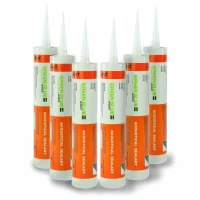
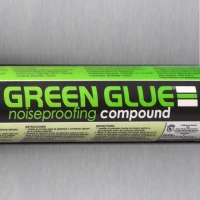
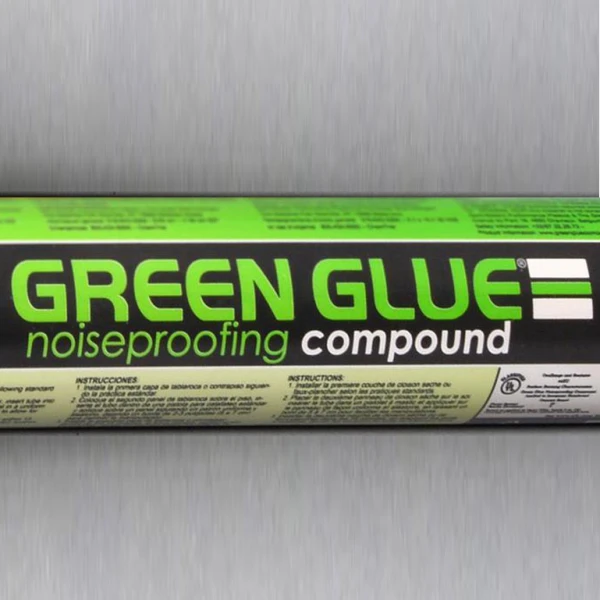
Green Glue is a favorite among contractors and DIYers alike. It's a damping compound applied between two layers of drywall or subflooring. It breaks up vibration and stops sound transfer by converting noise energy into heat. Ideal for walls, ceilings, and floors, it's one of the most cost-effective ways to boost your sound isolation.
Mass-Loaded Vinyl Barriers
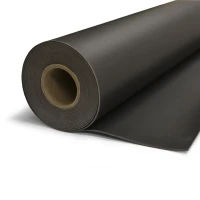
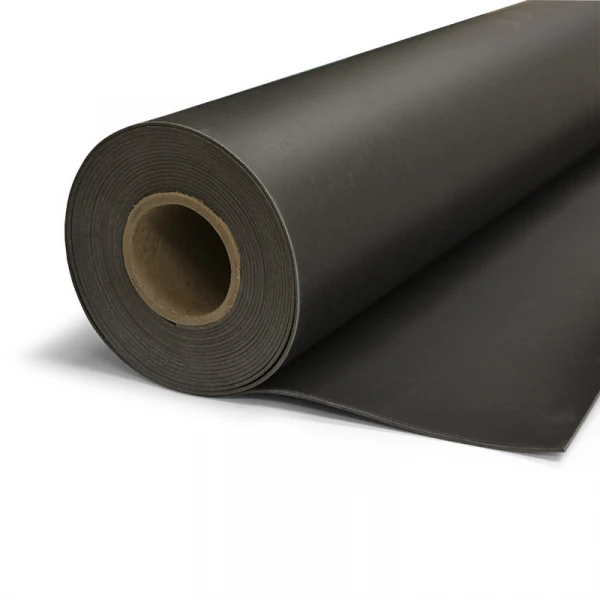
Mass-loaded vinyl (MLV) adds dense, flexible mass to walls and ceilings. It's easy to cut and install behind drywall or under flooring. MLV is a top choice for people who want serious soundproofing material without adding bulky layers.
Acoustic Insulation Panels
These panels combine thermal and acoustic insulation into one product. Installed inside wall or ceiling cavities, they absorb mid to high-frequency sounds. They also work well in combination with other soundproofing materials for full-spectrum coverage.
Sound Dampening Material Sheets
Lightweight yet powerful, sound-dampening material sheets absorb vibration and reduce resonance. They're often used in vehicles, HVAC systems, and machinery rooms, but they're also excellent for treating metal ducts or doors in commercial spaces.
Isolation Clips and Channels
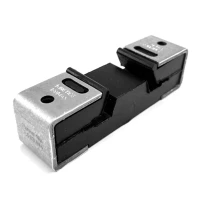
We recommend acoustic isolation clips and resilient channels to decouple drywall from studs and joists. These products separate structural surfaces to prevent vibration transfer, one of the most effective techniques for high-performance wall or ceiling soundproofing.
Door Seal Kits and Gaskets
Doors are one of the biggest weak spots in any room. Our complete seal kits include automatic door bottoms, perimeter gaskets, and thresholds that block airborne sound from leaking through gaps.
Features of Premium Soundproofing Materials
Noise Reduction Performance
All our sound-dampening materials are tested to reduce sound transmission across a wide frequency range. We focus on real-world performance — not just lab numbers — to ensure your results match your expectations.
Durability and Longevity
Quality soundproofing materials need to last. That's why we offer products built to resist sagging, cracking, or breakdown over time. Whether it's Green Glue or MLV, everything we sell is engineered for long-term performance.
Fire Resistance Properties
Safety matters. Our soundproofing materials are Class A fire-rated, meaning they meet or exceed building code requirements. You don't have to choose between safety and performance.
Mold and Moisture Resistance
Moisture can damage standard materials in basements, bathrooms, or humid environments. We offer sound dampening material options that resist mold, mildew, and water damage without losing performance.
Eco-Friendly Options
Sustainability matters. Many of our soundproofing materials are made from recycled or low-emission content. That includes sound-dampening materials free from formaldehyde, with certifications that meet green building standards. Better sound, lower footprint.
Ease of Installation
From peel-and-stick sound dampening material sheets to pre-cut insulation batts and ready-to-use door kits, our products are made for simple, efficient installs. Whether you're a contractor or a DIY homeowner, we offer clear instructions and optional support.
Technical Specifications of Soundproofing Products
STC and NRC Ratings Explained
STC (Sound Transmission Class) tells you how well a material blocks sound. NRC (Noise Reduction Coefficient) measures how much sound is absorbed. These ratings help you pick the right combination of soundproofing materials to block and absorb noise effectively.
Density and Thickness Considerations
Mass matters. Thicker, denser products block more sound. For example, mass-loaded vinyl barriers with a density of 1 lb/ft² outperform lighter products. We provide full specs for every item so you can plan accurately.
Temperature and Humidity Tolerance
Some materials, like sound dampening materials used in mechanical rooms or around HVAC, must withstand heat and moisture. We offer options rated for a wide temperature range and high humidity resistance.
Compliance with Building Codes
Every soundproofing material we sell meets U.S. construction standards. Fire ratings, emission limits, and environmental certifications are listed in product datasheets. We'll help ensure your solution is code-compliant from day one.
Material Composition Analysis
We provide transparency into what's inside each product. Whether it's rubberized barrier sheets, fiberglass core panels, or viscoelastic compounds like Green Glue, our catalog includes detailed breakdowns.
Product Lifespan Expectations
Durability isn't just about holding up physically — it's about keeping performance over time. Our soundproofing materials maintain their acoustic properties for years without needing to be replaced or re-treated.
Applications for Sound Dampening Materials
Residential Solutions
From apartment walls to bedroom doors, sound-dampening material helps create a quieter, more comfortable home. It is perfect for blocking neighbor noise, appliance hum, or footsteps from upstairs.
Commercial Office Buildings
Open offices need control. Use soundproofing materials in conference rooms, private offices, and common areas to reduce distractions and protect conversations.
Recording Studios and Theaters
Sound isolation is critical in studios. Our full system solutions — clips, MLV, Green Glue, and panels — help create pro-grade, acoustically isolated spaces that deliver top-tier audio quality.
Healthcare and Educational Facilities
Sound-dampening materials reduce stress, boost privacy, and improve focus in clinics, hospitals, classrooms, and lecture halls. They also support comfort and compliance in regulated environments.
Industrial Noise Control
Factories and mechanical rooms generate serious sound. Use barrier composites and vibration-damping systems to contain it and protect employees and adjacent areas.
Multi-Family Residential Buildings
Soundproofing materials can be the difference between peace and constant noise complaints in condos, townhouses, and apartments. Wall, floor, and ceiling systems can be upgraded without major construction.
Installation Methods for Soundproofing Materials
Wall Treatment Techniques
Apply Green Glue between drywall layers. Add MLV barriers behind new drywall. Insert acoustic batts into stud cavities. Combine methods for higher STC ratings.
Ceiling Soundproofing Approaches
Use resilient channels or isolation clips to decouple the ceiling from joists. Add mass-loaded vinyl or double layers of drywall with Green Glue for maximum performance.
Floor Impact Noise Solutions
To reduce footsteps and impact noise, use soundproof underlayments, rubber mats, or barrier composites under flooring. This works well in upper-floor units and commercial buildings.
Door and Window Treatments
Seal gaps with door kits and gaskets. Use acoustic caulk around frames. For windows, consider adding inserts or acoustic-grade glazing.
HVAC Noise Reduction Methods
Line ducts with sound-dampening material or wrap them with acoustic barrier composites. Isolate units from structural surfaces to prevent vibration transfer.
DIY vs Professional Installation
Many soundproofing materials are DIY-friendly. Others, like isolation clips or full wall assemblies, may require Pro Tools or experience. We help guide you based on your project size and skill level.
Benefits of Professional Soundproofing Materials
- Real Results: Tested, measurable noise reduction — not just marketing claims.
- Improved Comfort: Less noise means better focus, sleep, and peace of mind.
- Enhanced Privacy: Keep conversations in — and distractions out.
- Property Value Boost: Soundproofed spaces stand out in competitive markets.
- Energy Efficiency: Many products also improve thermal insulation.
Choosing the Right Soundproofing Materials
Start with your space and your problem: Is it airborne sound? Structure-borne? Impact noise? Our team helps you pick the right combination of sound-dampening materials tailored to your goals, budget, and environment.
We'll walk you through product specs, installation methods, and layer combinations for maximum performance — whether it's one room or an entire building.
Sound Pro Solutions Advantage
Premium Material Selection
We don't carry gimmicks — only proven, lab-tested soundproofing materials that deliver. Every product is chosen based on performance and durability.
Expert Technical Support
Need help choosing the right setup? Our acoustic specialists are here to guide you — no upselling, just real answers.
Complete System Solutions
We provide everything from panels to Green Glue, clips, and seals in one place. There is no guesswork, no mixing brands—just complete compatibility.
Quality Guarantee
We stand behind our materials. If it's in our store, professionals have tested and trusted it.
Support Throughout Your Project
From planning to installation, we're here when you need us. Whether you're DIYing one room or managing a full renovation, we've got your back.
FAQs
Frequently Asked Questions. Here are some common questions about Acoustic panels.
/01What are the best soundproofing materials for walls?
For walls, a layered approach works best. Combine soundproofing materials like Green Glue between two layers of drywall, add mass-loaded vinyl, and fill cavities with acoustic insulation. This combo significantly boosts STC ratings and reduces airborne noise.
/01How is soundproofing different from sound absorption?
Soundproofing blocks sound from passing through surfaces, while sound absorption reduces echo inside a space. To stop transmission, you'll typically need soundproofing materials like barriers or damping compounds, not just acoustic panels.
/01Can I soundproof a room without tearing down walls?
Yes. You can install sound-dampening material sheets over existing walls, add mass-loaded vinyl under flooring, and seal gaps with acoustic caulk and door kits. While not as powerful as full reconstruction, this is an effective upgrade for most spaces.
/01Is Green Glue effective?
Absolutely. Green Glue is one of the most effective soundproofing materials on the market. It absorbs vibration between drywall layers, improving isolation without major construction. It's lab-tested and trusted in both homes and studios.
/01Do I need a professional to install soundproofing materials?
Some sound-dampening materials, like door seals or vinyl barriers, are DIY-friendly. Others, like isolation clips or full wall systems, may require professional help. We offer product guidance and can recommend installers if needed.
/01What's the difference between mass-loaded vinyl and foam panels?
Mass-loaded vinyl adds mass to block sound transmission—it's a true soundproofing material. Foam panels absorb sound within a room but don't block it. For full isolation, you need mass and damping, not just absorption.
/01Can I soundproof my floor to stop footstep noise?
Yes. Use dense underlayments, rubber mats, or barrier layers beneath flooring to reduce impact noise. Combine with ceiling treatments below and floating floor techniques above for best results.
/01Are soundproofing materials safe and eco-friendly?
Yes. We carry sound-dampening materials that are low-VOC, non-toxic, mold-resistant, and certified to meet environmental standards. We can help you choose products that align with your safety and sustainability goals.