
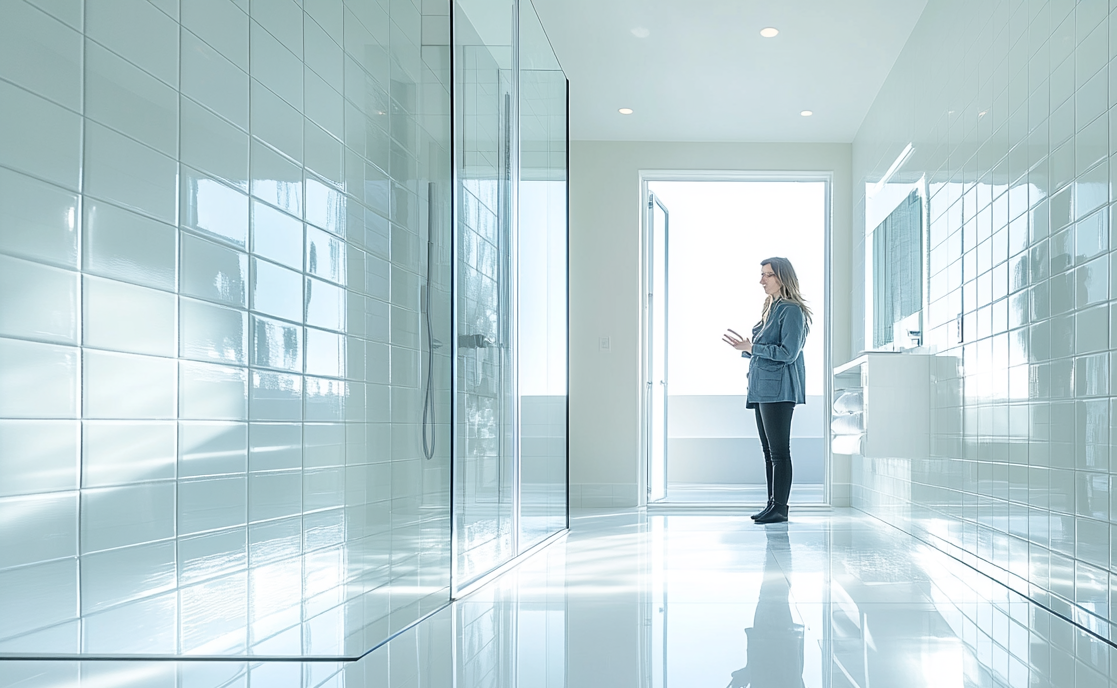
Bathrooms echo because they are small, enclosed rooms finished almost entirely in hard, sound-reflective surfaces like tile, glass, mirror, and porcelain, with very little soft material to absorb sound. Sound waves bounce between these surfaces many times before they fade, and the ear hears that lingering, ringing quality as an echo.
The Short Answer - Hard Surfaces, Small Space, No Absorption
Three things combine to make a bathroom sound echoey: hard, reflective surfaces, a small, enclosed space, and almost no soft materials to absorb sound.
Every surface a bathroom needs for water resistance also reflects sound. Tile, glass, mirrors, porcelain, and painted walls reflect nearly all the sound that hits them straight back into the room rather than absorbing it.
Because the room is small and boxed in, those reflections happen fast and often. Sound ricochets from wall to wall to ceiling several times in a fraction of a second, which stacks the reflections into the layered sound you notice when you speak or run water.
Echo vs Reverberation - What You're Actually Hearing
An echo is a single, delayed repeat of a sound that you hear as a separate copy, like a shout returning across a canyon.
Reverberation is the blur of many reflections arriving so close together that they merge into one lingering sound. What people call a bathroom echo is almost always reverberation, since the walls sit too close to produce the delay a true echo needs.
Reverberation time measures how long a sound keeps bouncing before it drops to near silence. Hard, empty rooms hold sound much longer than furnished ones, so a bathroom can ring for a noticeable moment after the sound itself has stopped.
Reason 1 - Hard, Sound-Reflective Surfaces
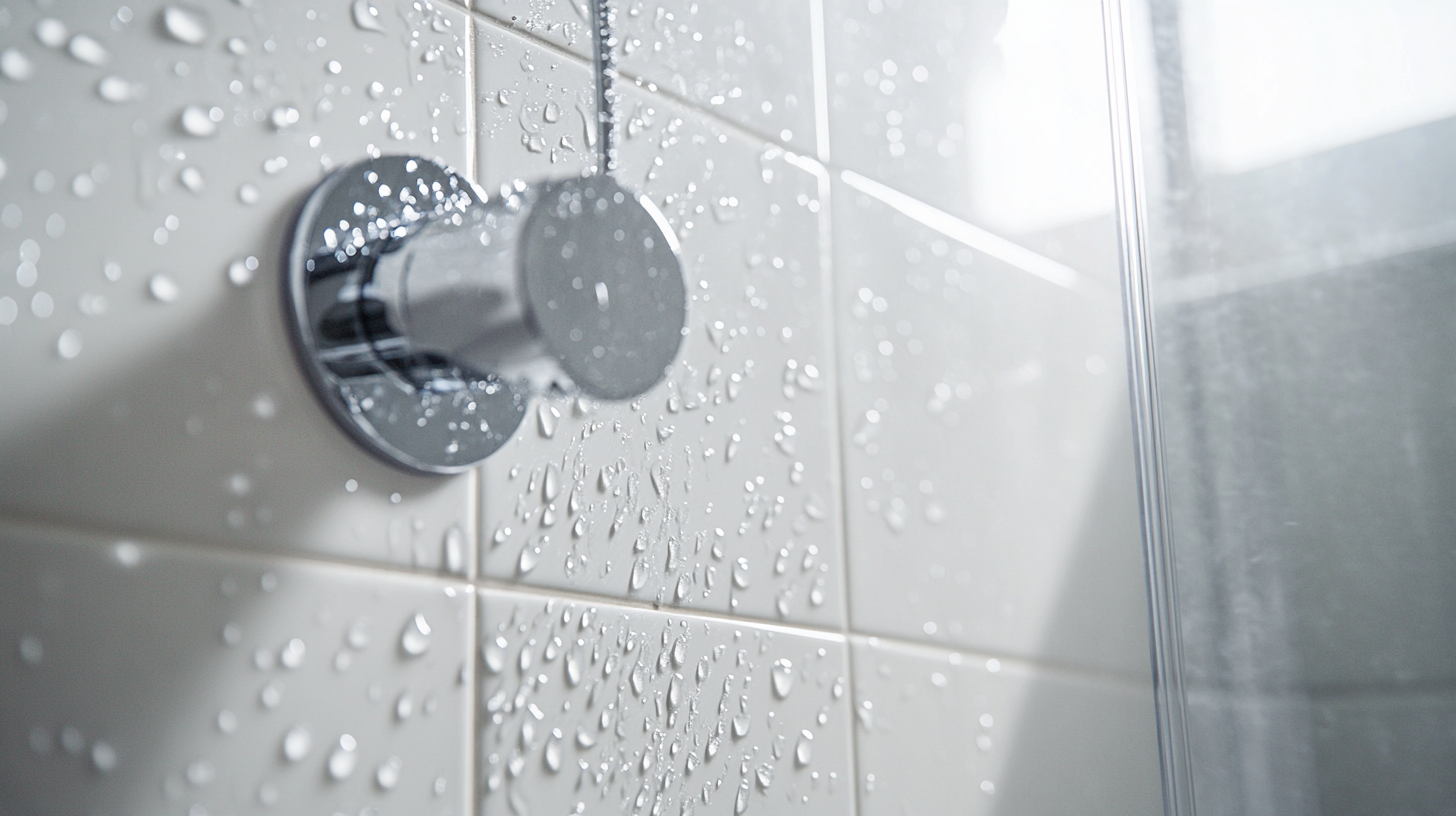
Hard surfaces are the main reason bathrooms echo because they reflect sound rather than absorb it.
Ceramic and porcelain tile, glass shower doors, mirrors, enamel tubs, and moisture-resistant painted walls all have dense, smooth faces. A material like that returns almost all the sound energy that strikes it, so the sound stays in the room and keeps bouncing.
Bathrooms are built from these materials for a practical reason: they resist water and humidity. The same density that makes tile and glass waterproof also makes them acoustically reflective, which is how a room designed to stay dry ends up sounding so live.
Soft materials behave the opposite way. A curtain or a towel can absorb well over half the sound that reaches it, while a tiled wall absorbs almost none, and a bathroom is covered in the second kind.
Reason 2 - A Small, Enclosed Space with Parallel Walls
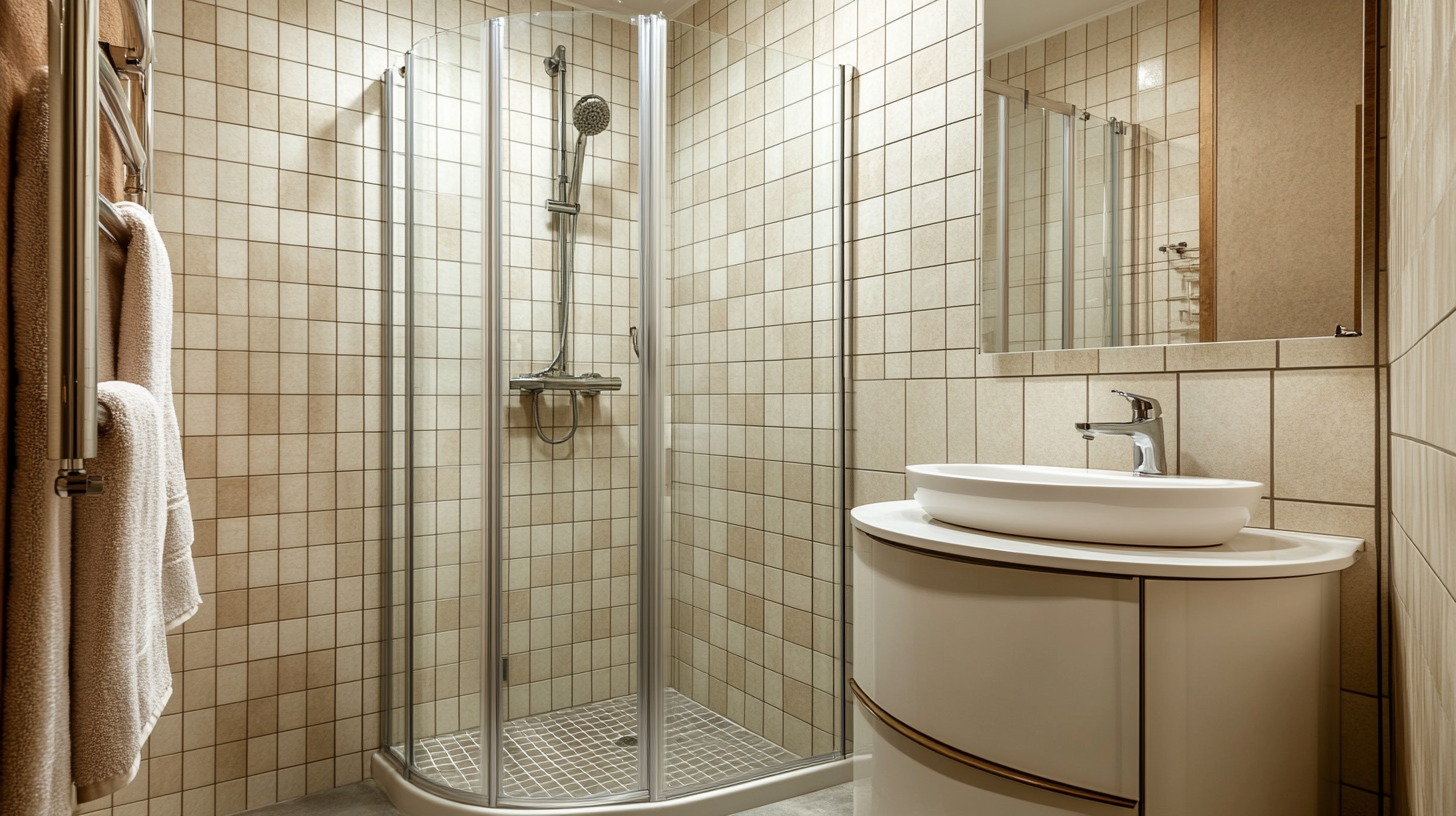
A bathroom's small size puts its reflective surfaces close together, so sound bounces between them many times per second.
In a large room, a reflection travels far before it returns, losing energy along the way. In a small bathroom, the walls, floor, and ceiling sit only a few feet apart, so each reflection comes back almost immediately and repeats over and over before fading.
Two hard, parallel walls make this worse by creating flutter echo, a fast, buzzing repeat as sound bounces straight back and forth between them. Bathrooms often have several parallel pairs of tiled surfaces facing each other, which adds that sharp, ringing tone to a voice.
Reason 3 - Almost No Soft, Absorptive Materials
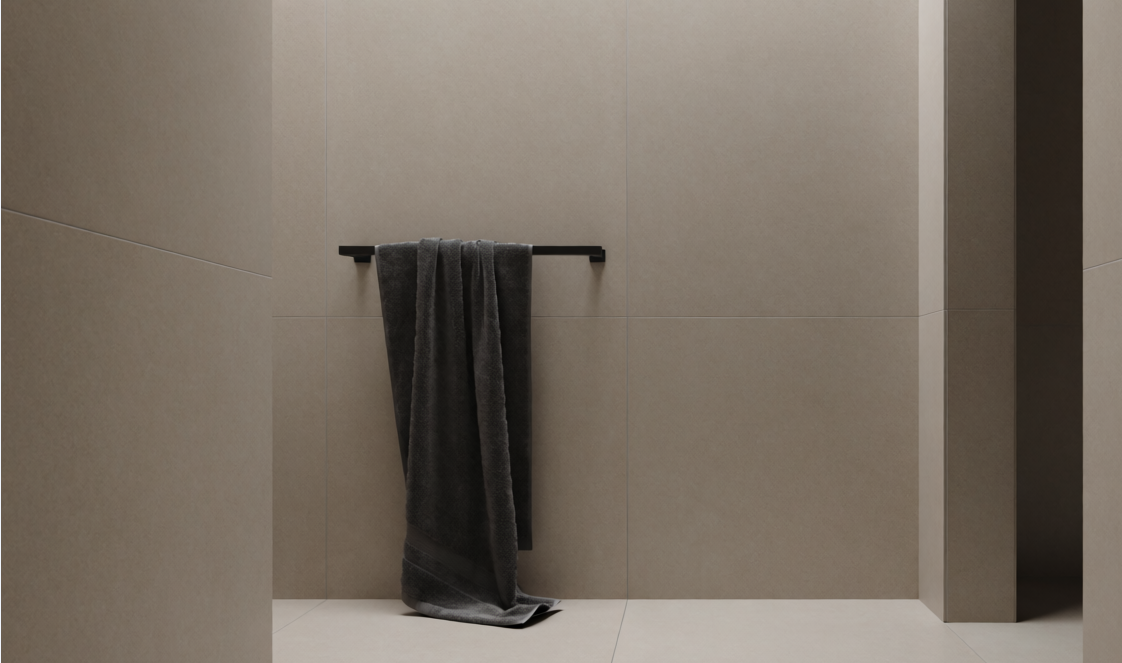
Bathrooms rarely contain the soft furnishings that quietly absorb sound everywhere else in a home.
A living room or bedroom holds carpet, curtains, upholstered furniture, and fabric that trap sound and cut the reflections short. A bathroom usually has none of that, so nothing in the room pulls sound energy out of the air.
The difference is easy to hear. The same voice that sounds flat and close in a carpeted bedroom turns loud and ringing in a tiled bathroom, purely because one room absorbs sound and the other reflects it.
How to Reduce Echo in a Bathroom
You reduce bathroom echo by adding soft, absorptive materials and breaking up hard, parallel surfaces that reflect sound.
Soft textiles offer the simplest fix. A thick bath mat, hung towels, or a fabric shower curtain in place of a glass door all absorb sound that a hard bathroom would otherwise reflect. Acoustic curtains add more absorption than ordinary fabric for the same visual footprint.
For a bigger drop in reverberation, mount acoustic wall panels on a dry section of wall or ceiling away from direct water. Panels absorb sound across the range of a human voice, so even a small amount of coverage shortens the ring.
Decorative options work too. Wood slat acoustic panels pair a finished look with an absorptive backing, and open shelving, plants, and textured décor help scatter reflections. Keep any panel on dry surfaces, since standard acoustic material is not made for the wet zone inside a shower or tub surround.
An exhaust fan or background music can mask the echo by covering it with steady sound, though neither removes the reflections. Only absorption and changes to the hard surfaces reduce the reverberation itself.
Recent posts


