

You started shopping for acoustic panels. Maybe you need them for a home studio. Maybe your living room echoes like a gymnasium. You searched online, clicked a few links, and then stopped cold.
Fifty dollars for a single panel. Eighty dollars. Some over three hundred. For what looks like fabric stretched over a frame?
Why are acoustic panels so expensive when foam squares on Amazon cost twelve bucks for a pack of twelve?
Here's the honest answer. Some panels are genuinely overpriced. Marketing hype, fancy branding, unnecessary features. But quality acoustic panels cost what they cost for real reasons. The materials matter. The construction matters. The testing and certifications matter. And the difference between cheap and professional-grade isn't just price. It's performance.
This article breaks down exactly what you're paying for. By the end, you'll know where to spend and where to save. No more guessing whether that $200 panel is worth it or a waste of money.
What Goes Into the Price of an Acoustic Panel?
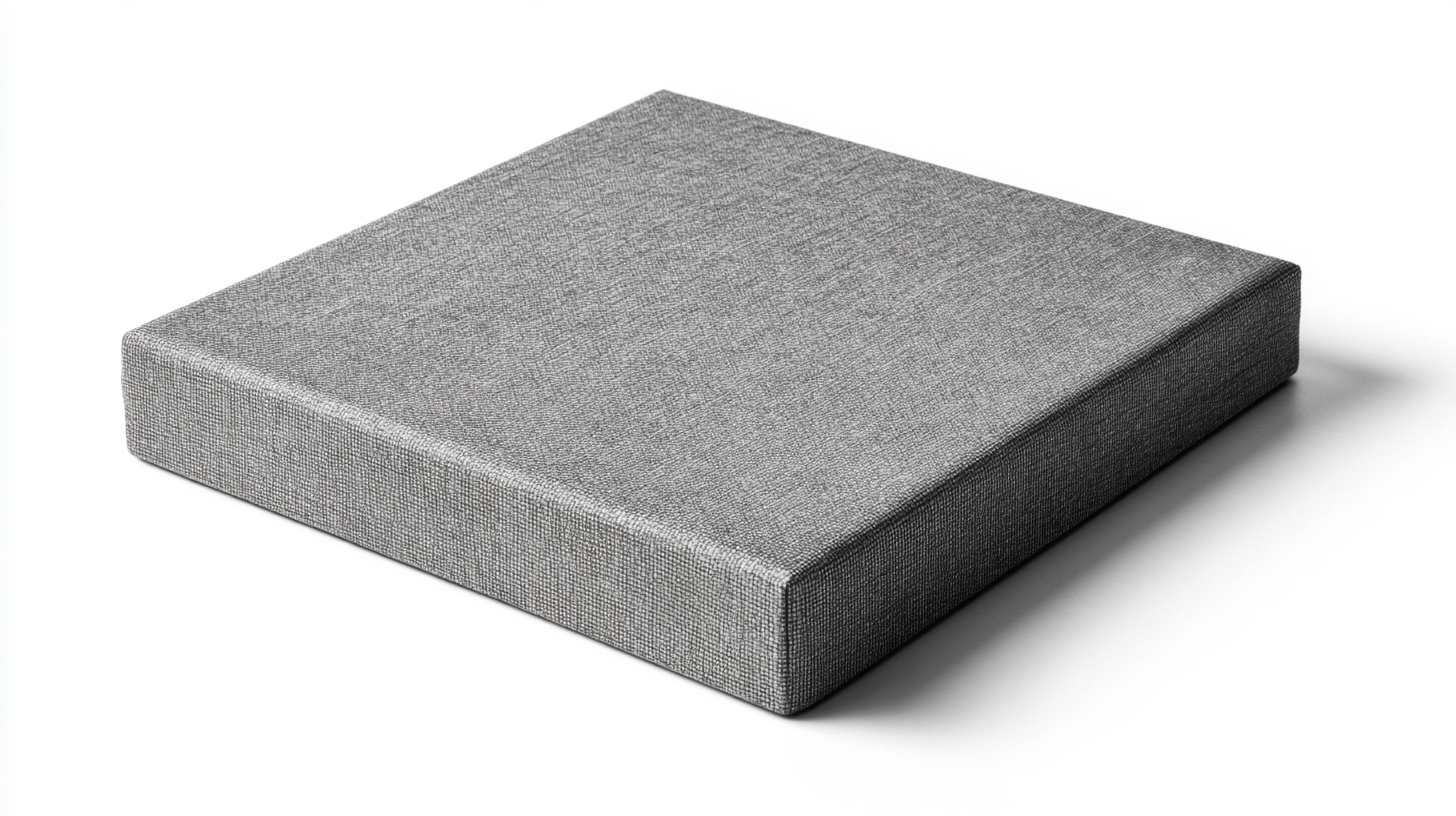
Let's dissect the cost piece by piece. Every panel has three main components: core material, frame, and fabric covering. Each one affects both performance and price.
The Core Material
This is where acoustic magic happens. Or doesn't. The core determines how much sound the panel actually absorbs.
Fiberglass is the gold standard. Specifically, products like Owens Corning 703 and 705. These rigid fiberglass boards absorb sound across a wide frequency range, including tricky low frequencies. They're used in professional studios worldwide. They're also the most expensive core option.
Mineral wool comes close. Brands like Rockwool offer excellent absorption at a slightly lower price point. It's denser than fiberglass and handles moisture better. Many professionals consider it interchangeable with fiberglass for most applications.
Polyester fiber is the budget-friendly alternative. It works reasonably well on mid and high frequencies. But it struggles with bass. If your room has low-frequency problems, polyester won't solve them.
Foam is what you find in those cheap Amazon packs. It's lightweight, easy to install, and does almost nothing for real acoustic problems. Foam absorbs some high frequencies. That's about it. The reason it's everywhere is simple. It's cheap to make and easy to sell to people who don't know better.
Here's how they compare:
|
Material |
Sound Absorption |
Durability |
Price per Panel |
|
Fiberglass (703) |
Excellent |
High |
$80-150 |
|
Mineral Wool |
Very Good |
High |
$50-100 |
|
Polyester Fiber |
Moderate |
Moderate |
$30-60 |
|
Foam |
Low-Moderate |
Low |
$10-25 |
The core material alone can account for 40-60% of a panel's total cost. This is not where you want to cut corners.
The Frame
Frames give panels structure and make installation easier. They also affect how long your panels last.
Solid wood frames look premium and last for decades. Hardwood like poplar or oak adds weight but also adds value. These frames can be refinished if damaged. They're the choice for visible installations where aesthetics matter.
MDF and particle board frames cost less but weigh more. They work fine for utility installations. However, they don't handle moisture well. A basement studio might see warping over time.
Aluminum frames offer the best of both worlds for modern spaces. Lightweight, durable, and sleek. They cost more than MDF but less than hardwood. Popular in commercial installations.
Frameless panels skip this component entirely. They're cheaper to produce but harder to mount. You'll need impaling clips or adhesive. Some people find the raw edge look appealing. Others don't.
The Fabric
The covering isn't just decorative. It needs to let sound pass through to the absorbent core underneath.
Acoustically transparent fabric is engineered specifically for this purpose. It looks like normal fabric but has an open weave that doesn't block sound waves. This material costs more than standard upholstery fabric.
Fire-rated fabrics meet Class A flame spread requirements. Commercial buildings, offices, and public spaces require this certification. It adds to the cost but isn't optional for professional installations. Inspectors will check.
Custom prints and colors push prices higher still. Want your company logo on the panels? Expect a premium. Need an exact Pantone match for your interior design scheme? That's extra too.
Why Handmade Costs More
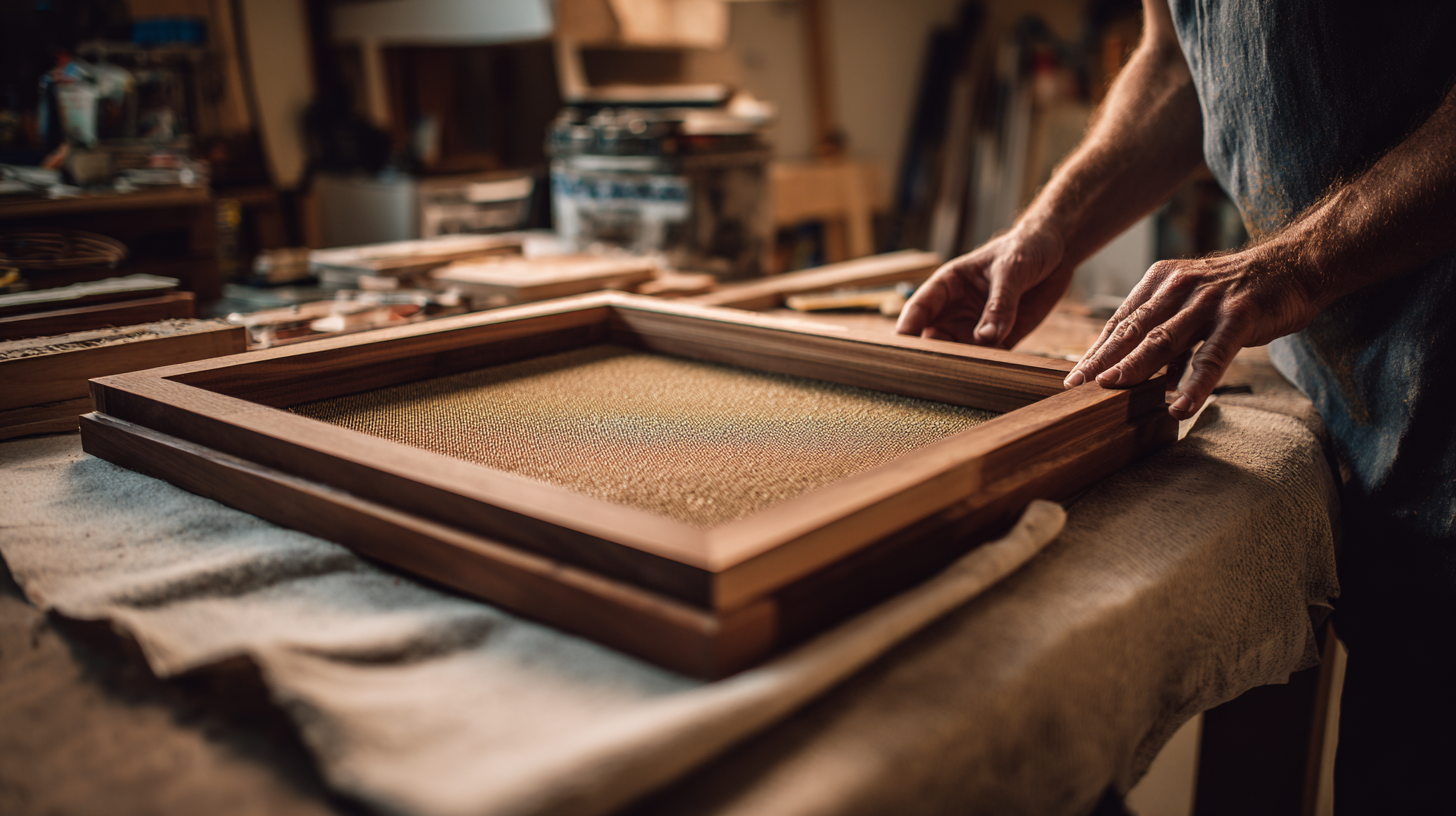
Mass-produced panels from overseas factories hit different price points than American-made products. The gap isn't just about labor costs.
Precision matters in acoustic panels. Cores need exact cuts. Fabric needs tight, wrinkle-free stretching. Frames need square corners and solid joints. Quality manufacturers check every panel before shipping. They measure NRC performance. They inspect fabric tension. They reject pieces that don't meet standards.
Budget manufacturers skip these steps. Panels arrive with uneven edges, loose fabric, inconsistent density. They might work. They might not. You won't know until they're on your wall.
Custom sizes create another cost factor. Standard panels use standard cuts with minimal waste. Custom dimensions mean more offcuts heading to the dumpster. Manufacturers price accordingly.
And yes, American labor costs more than Chinese labor. That's reflected in the price. But it's also reflected in accountability. Try getting warranty support from an overseas factory when your panels arrive damaged.
Testing and Certifications
Here's where why acoustic panels are so expensive becomes clearer. Real testing costs real money.
The NRC rating tells you how much sound a panel absorbs. A rating of 1.0 means perfect absorption. Most quality panels land between 0.80 and 1.05. But here's the catch. Legitimate NRC testing requires independent laboratory measurement. That testing costs thousands of dollars per product.
Cheap panels often claim impressive NRC numbers. Where did those numbers come from? Frequently, nowhere. Manufacturers estimate. Or copy competitors' specs. Or simply make them up. There's no enforcement requiring proof.
Fire ratings add another layer. ASTM E84 testing determines flame spread and smoke development. Class A certification is mandatory for commercial installations. Hotels, offices, restaurants, schools. Fire marshals don't accept uncertified products. This testing isn't cheap either.
When you buy from established acoustic companies, you're paying for verified performance. When you buy random Amazon panels, you're gambling. That NRC 0.85 claim? It might be accurate. It might be marketing fiction.
Customization Premium
Standard rectangular panels in stock colors cost the least. Everything else adds up.
Custom dimensions require individual production runs. A 24x48 inch panel comes off the line with dozens of identical units. A 37x52 inch panel gets made alone. More setup time, more material waste, higher price.
Fabric options multiply quickly. Stock colors from standard acoustic fabric lines cost baseline prices. Designer fabrics cost more. Exact color matching for interior design projects costs more still. And printed panels with custom artwork or logos? That's premium territory.
Special shapes have become popular. Hexagons look stunning arranged in clusters. Circles add visual interest. Cloud panels float from ceilings. But circles and hexagons waste more material than rectangles. Curves require more skilled labor. Expect 30-50% premiums over standard shapes.
Edge finishing also varies. Square edges are standard. Beveled edges cost extra. Rounded edges cost more. Fabric-wrapped edges versus exposed edges. Each choice affects the final number.
Customization adds 20-50% to base panel pricing. Sometimes more. Is it worth it? Depends entirely on your priorities and installation visibility.
The Brand Factor
Brand names carry weight in acoustics. Sometimes justified. Sometimes not.
Established brands invest in research and development. They engineer new products. They conduct proper testing. They maintain quality control systems. They offer real warranties with actual customer support. All of this costs money that gets built into pricing.
They also benefit from reputation. Studios trust certain names because those names have delivered for decades. That trust has value.
But let's be honest. Sometimes you're paying for marketing. Fancy websites, trade show booths, sponsored content, celebrity endorsements. These costs get passed to customers.
The key is separating substance from style. Does the brand publish verified test data? Do they offer meaningful warranties? Can you reach actual humans for support? Do professionals in the industry respect them? These questions matter more than logo recognition.
So... Are Expensive Acoustic Panels Worth It?
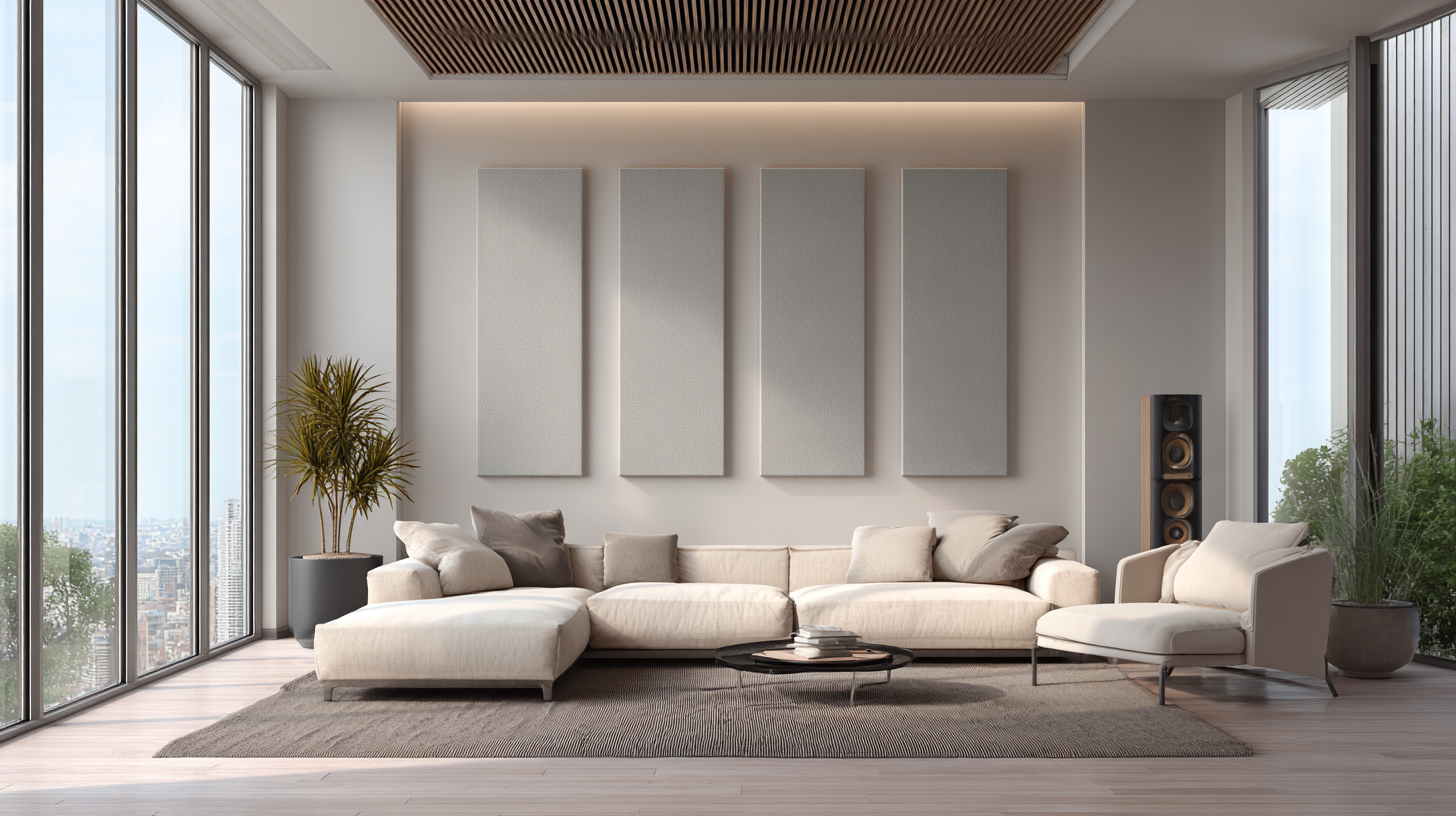
It depends on your situation. Let me break it down.
When Premium Panels Make Sense
Recording studios and home theaters demand acoustic precision. You're chasing specific frequency responses. You need verified performance data. Cheap panels with questionable specs won't get you there. This is not the place to economize.
Commercial spaces require certifications. Fire ratings aren't optional. Warranties protect your investment. Insurance companies and inspectors expect documentation. Budget panels create liability.
Visible installations benefit from quality materials and construction. Panels in your living room or office should look good for years. Cheap fabric fades. Cheap frames warp. Premium panels age gracefully.
Long-term installations favor durability. Planning to keep these panels for a decade? Invest accordingly. Budget panels often deteriorate within two to three years. Fabric sags. Cores compress. Frames separate.
When You Can Save
Utility spaces don't need premium aesthetics. Basement studios, garage workshops, practice rooms. Function matters more than appearance. Save money on fabric and frames while keeping quality cores.
Hidden installations behind screens or inside ceiling cavities don't need beautiful finishes. Basic panels perform identically to premium ones when nobody sees them.
DIY panels use the same core materials as manufactured ones. Buy Owens Corning 703 or Rockwool direct. Build simple frames. Wrap in affordable fabric. You'll save 30-50% and get identical acoustic performance.
How to Get the Best Value
Now you understand why acoustic panels are so expensive. Here's how to spend wisely.
Prioritize core material above everything else. A beautiful panel with foam inside is worthless acoustically. An ugly panel with fiberglass inside actually works.
Buy standard sizes whenever possible. Custom dimensions cost more for the same performance. Work with common measurements.
Skip unnecessary features. Printed fabrics, exotic shapes, premium edge treatments. Nice to have, not need to have. Start simple.
Consider 2-inch thickness as your baseline. It offers the best balance of absorption and value. Thinner panels miss low frequencies. Thicker panels cost more with diminishing returns for most spaces.
Buy from acoustic specialists rather than Amazon resellers. Better products, better support, better results. The cheapest option rarely delivers the best value.
Quality acoustic panels are an investment. Treat them like one.
Recent posts


