
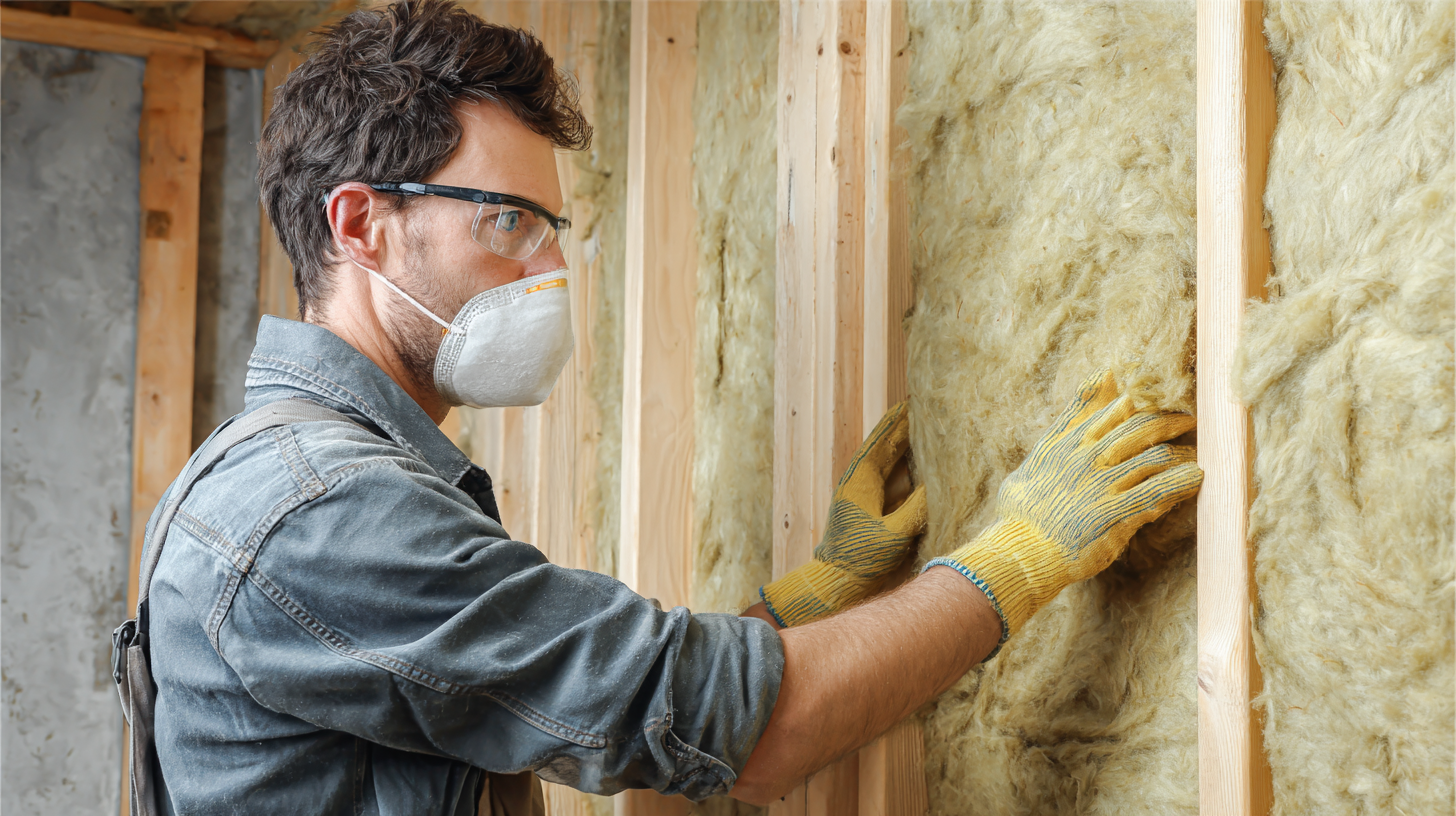
There is no single answer. The word "insulation" gets thrown around for materials that do completely different jobs. Batts inside a wall absorb sound. Vinyl mats under the drywall block it. Damping compounds between rigid layers kill vibration. Each one solves a specific problem. Asking what is the best insulation for soundproofing without knowing which problem you're solving is like asking for the best medicine without knowing the symptom. This guide breaks down what works, where, and why, so you pick the right material for your actual situation instead of guessing.
Absorption vs. Blocking vs. Damping — Three Jobs, Different Materials
Before comparing brands and spec sheets, understand the three mechanisms. Every soundproofing project uses at least two. The best ones use all three.
Absorption. Soft, porous material traps sound waves and converts their energy into heat. It reduces echo, reverb, and flutter inside a room. Think mineral wool batts in wall cavities or fiberglass cores inside acoustic panels. Absorption makes a space sound cleaner. It does not stop sound from passing through a wall. If you're only treating reflections, it's the best insulation for soundproofing the interior of a room, but it won't quiet what comes from next door.
Blocking. Heavy, dense material adds mass and prevents sound from traveling through a structure. The heavier and more airtight the barrier, the less that gets through. Mass-loaded vinyl and extra drywall layers are the most common choices. Blocking is what you need when noise crosses walls, floors, or ceilings.
Damping. A viscoelastic compound sandwiched between two rigid panels converts structural vibration into heat. Green Glue between two sheets of drywall is the textbook example. Damping stops the wall from resonating and radiating sound into the adjacent room.
One material alone never solves the full problem. Anyone asking what type of insulation is best for soundproofing a space needs to understand: the real answer is a system. Absorber in the cavity, mass on the surface, damping between layers, and acoustic sealant on every seam. That framework holds whether you're building a home studio, quieting a bedroom wall, or finishing a basement.
Best Insulation for Sound Absorption
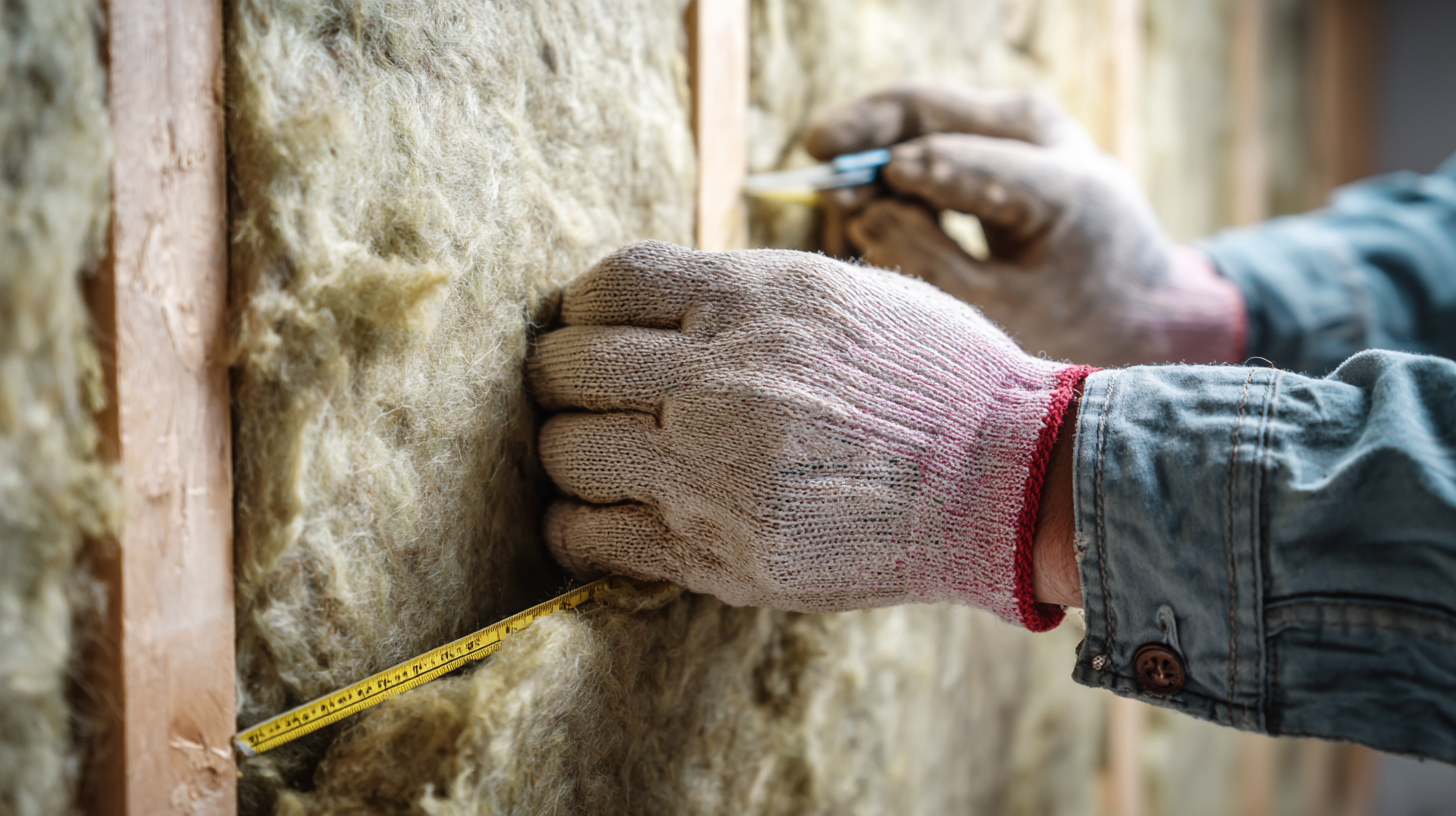
These materials go inside wall cavities and serve as cores for acoustic panels. They catch sound energy before it bounces around or builds up.
Mineral Wool (Rockwool / Stone Wool)
The industry standard. Dense, fire-resistant, moisture-resistant. NRC ratings reach 1.05 at a four-inch thickness. Mineral wool absorbs across a wide frequency range, from low rumble to high-pitched hiss. It fills stud cavities completely and doesn't sag or settle over time, which makes it the best insulation for soundproofing interior walls where long-term reliability matters. Most professional acousticians reach for it first.
Cost is moderate. Rockwool Safe'n'Sound runs about $1 per square foot for standard stud depth. For the performance it delivers, nothing else touches the value.
Fiberglass (Owens Corning 703 / Whispertone)
The acoustic panel classic. NRC around 0.95 to 1.0 depending on thickness and density. Lighter than mineral wool, slightly cheaper, and available in rigid boards that work perfectly as panel cores. If you've ever seen a fabric-wrapped acoustic panel, the fill is almost certainly fiberglass. It's the best sound-deadening insulation for studios, office partitions, and home theaters where absorption drives the design.
Fiberglass irritates skin and lungs during installation. Wear gloves, long sleeves, and a respirator. Once enclosed in a wall or wrapped in fabric, it is completely safe.
Cellulose (Blown-In)
Recycled paper fiber is blown into closed wall cavities. The practical choice when opening the wall isn't an option. Cellulose fills every gap around wiring, pipes, and irregular framing. NRC is slightly lower than mineral wool, but its real advantage is retrofit. Drill a small hole, fill the cavity, and patch the drywall. No demolition.
Cotton (Recycled Denim)
Eco-friendly, safe to handle bare-handed, NRC up to 1.0. Costs more than fiberglass. A solid choice for anyone avoiding irritating materials. Performance is comparable; the tradeoff is purely price.
Best Materials for Sound Blocking
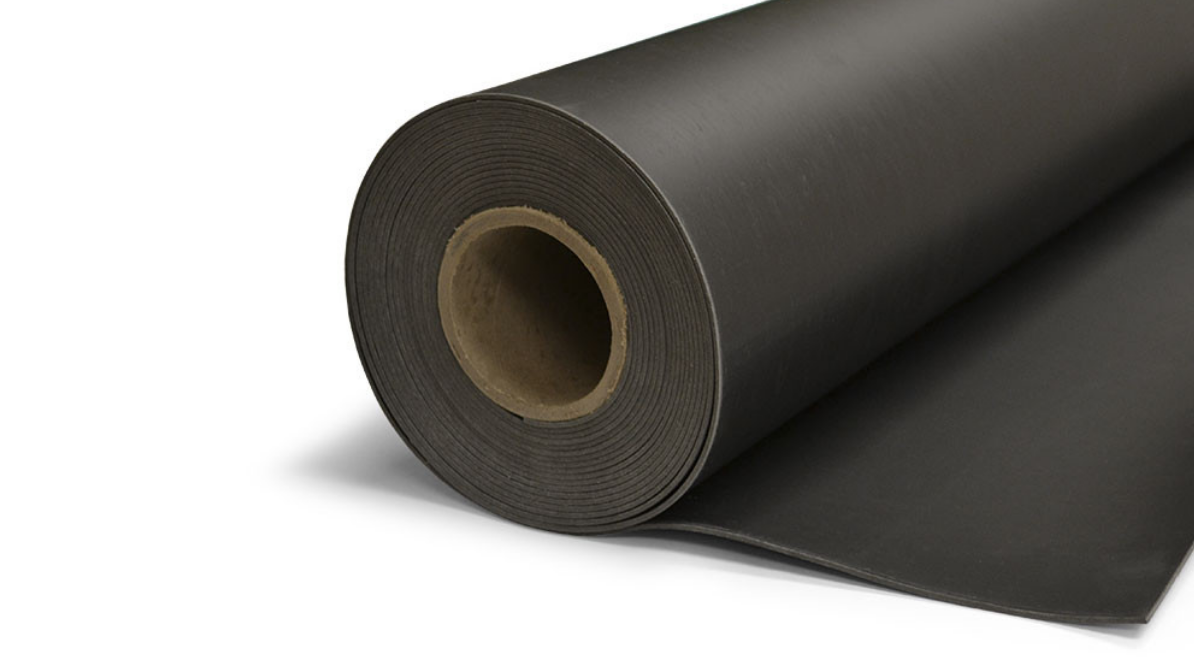
Absorption controls what happens inside the room. Blocking stops sound from getting through the structure. These materials add mass, density, and airtightness to walls, ceilings, and floors. If noise from neighbors, traffic, or mechanical systems is the problem, this is where the best insulation for noise reduction lives.
Mass Loaded Vinyl (MLV)
Thin, heavy, flexible. One layer of MLV adds STC 27 on its own. It hangs on studs under drywall, wraps around pipes, and covers weak spots like electrical boxes and HVAC penetrations. MLV is not a replacement for cavity insulation. It's a complement. The mineral wool inside the wall absorbs. The MLV on the surface blocks. Together, they outperform either one alone by a wide margin.
At roughly $1 to $2 per square foot, MLV is the most cost-effective mass barrier available. For anyone searching for the best acoustic insulation to add to an existing wall without major renovation, a layer of MLV under new drywall is the fastest path to a noticeable difference.
Extra Drywall Layers
The simplest way to add mass. A second layer of 5/8" drywall over the existing surface increases the wall's weight and stiffness. On its own, the improvement is moderate. Combined with a damping compound between the layers, it becomes one of the most effective upgrades you can make. More on that in the next section.
Acoustic Caulk and Sealant
Not insulation in the traditional sense, but nothing else works without it. A 1 percent gap in surface area can leak up to 50 percent of the sound energy you're trying to block. Acoustic caulk stays flexible permanently. It seals the perimeter of every drywall sheet, fills gaps around outlets and switch plates, and closes joints where walls meet ceilings and floors. The best noise insulation for walls fails if the edges aren't sealed. Treat caulk as mandatory, not optional.
Best Material for Vibration Damping
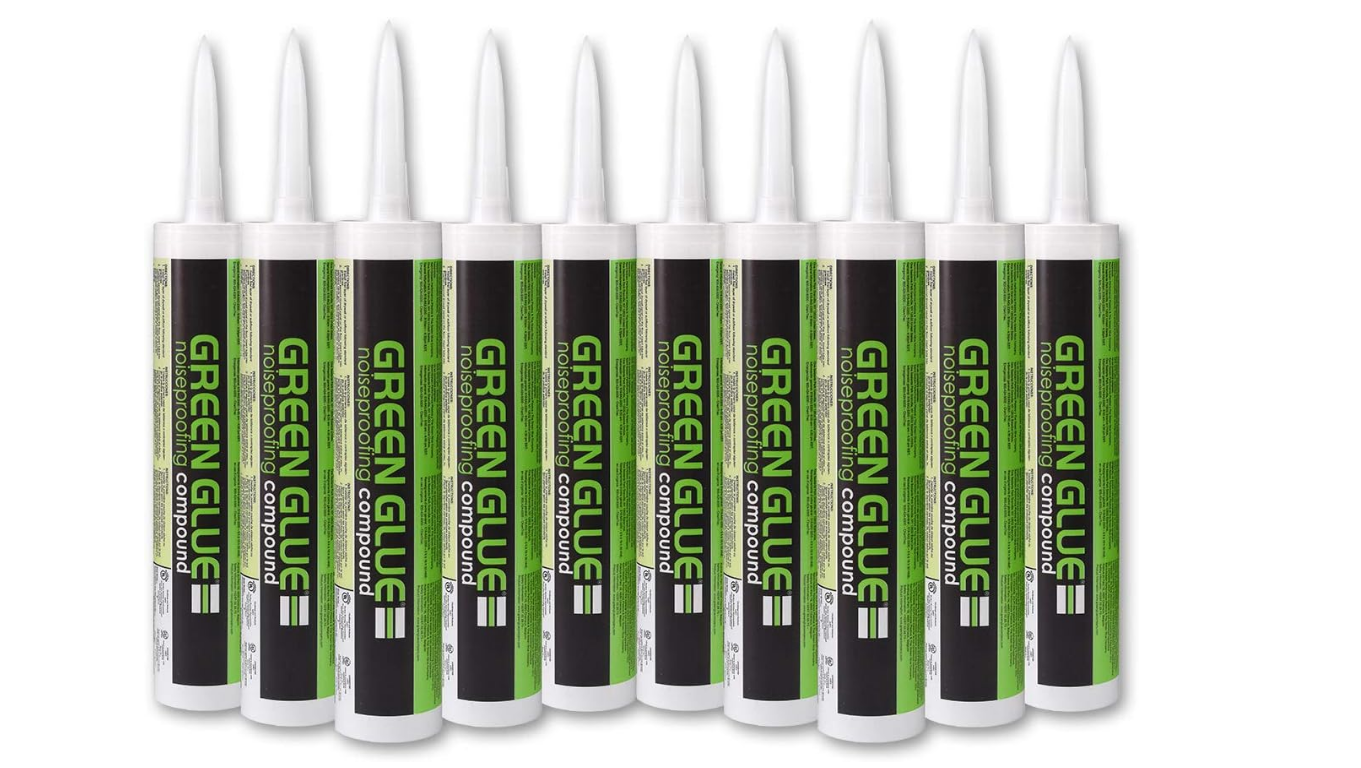
Green Glue Noiseproofing Compound
Viscoelastic damping compound applied between two rigid layers. Squeeze it out of the tube, spread it across a sheet of drywall, press the second sheet on top. That's it. No special tools. No training. Green Glue converts vibration into heat as it passes through the wall assembly, adding 5 to 9 STC points depending on the construction. For the effort involved, it's the single highest-impact upgrade in any soundproofing project and arguably the best sound barrier insulation you can add to an existing wall in under an hour per sheet.
How These Materials Work Together
One material is never enough. Here's what a complete system looks like in practice.
Shared wall between rooms. Mineral wool batts fill every stud cavity. MLV goes over the studs. Two layers of drywall with Green Glue between them cover the surface. Acoustic caulk seals the full perimeter. The result: STC 55 or higher. That's the threshold where loud speech is inaudible on the other side.
Home studio. Same wall assembly for isolation, plus fabric-wrapped acoustic panels on the interior surfaces to control reflections. Add door seals on every entry point. The result: quiet outside, clean inside. True insulation for noise reduction means addressing both transmission and reflection in the same project.
Pick the Right Material for the Right Job
There's no single "best" insulation for soundproofing — and anyone who tells you otherwise is probably selling just one product. The real answer depends on what you're dealing with: voices bleeding through a shared wall, bass from a home theater, footsteps from upstairs, or street noise getting into your studio.
What works every time is the layered approach. Absorption, blocking, and damping each solve a different piece of the puzzle. Mineral wool and fiberglass handle absorption — they go inside wall cavities and acoustic panels to soak up sound energy. MLV and extra drywall handle mass — they make it physically harder for sound waves to pass through a structure. Green Glue handles vibration — sandwiched between rigid layers, it converts resonance into heat. And acoustic caulk ties the whole system together by sealing the gaps that would otherwise let sound walk right past everything you just installed.
Skip any one layer and the system underperforms. A wall packed with mineral wool but full of air gaps still leaks. Two layers of drywall without damping compound still vibrate. Panels on the walls without insulation in the cavity still let noise through. The materials aren't expensive — but putting them in the right order and the right places is what separates a quiet room from a disappointing one.
Not sure which combination fits your space? Sound Pro Solutions carries every material covered in this guide — from acoustic panels with fiberglass core to Green Glue, Mass Loaded Vinyl, isolation clips, and door seals. Browse the full product catalog or call +1-888-661-7233 for a recommendation based on your walls, your noise, and your budget.
Recent posts


