
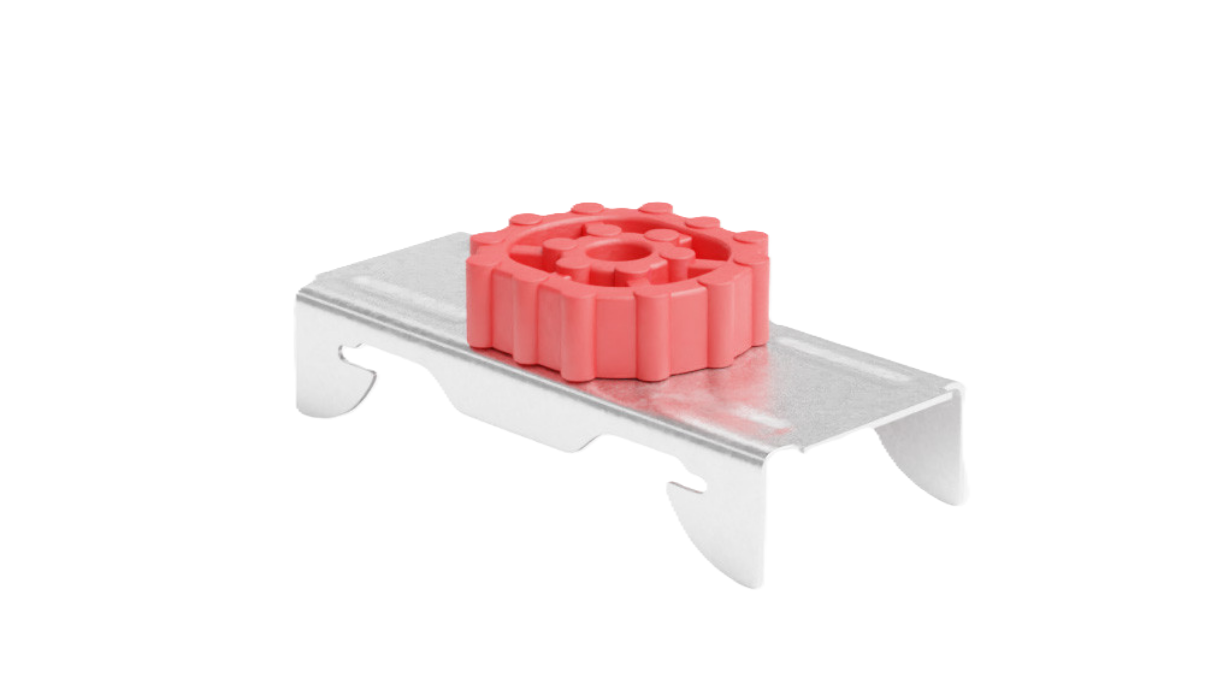
Anyone who has dealt with loud neighbors, echoing home theaters or vibrating ceilings eventually discovers a powerful question: what are sound isolation clips, and why do so many professionals rely on them for serious noise control? At Sound Pro Solutions, we see customers reach this point when traditional methods don`t give them the silence they hoped for. They try thicker drywall or add insulation, but structural noise continues slipping through. That`s because real soundproofing requires more than mass. It requires breaking the physical path that sound uses to travel. Sound isolation clips do exactly that, and once you understand how they work, the results feel nothing short of transformative.
These clips are small mechanical components designed to separate your drywall from the structure of your home. Instead of attaching drywall directly to studs or joists, you attach the clips first, and then use hat channels to create a floating layer. This system absorbs vibration, weakens noise transmission and dramatically reduces low-frequency rumble that insulation alone cannot fix. Whether you`re building a home studio, upgrading a bedroom or planning a full cinematic space, the difference is instant. Rooms feel calmer, quieter and far more controlled.
Using sound isolation clips may look like a technical upgrade reserved for professionals, yet homeowners use them every day. And when combined with dense products like MLV or acoustic panels from our shop, the performance jumps even higher. What matters most is understanding the principles behind them so you`re not just installing hardware but applying real acoustic science to your space.
How Sound Isolation Clips Work
Sound isolation clips work by interrupting vibration before it reaches your finished wall or ceiling surface. That`s the foundation of true sound isolation. Instead of letting noise move through rigid materials in a straight line, the clip system absorbs it, slows it down and prevents it from transferring into the next room. Simple in appearance, but incredibly effective in practice.
When a sound hits a wall, the energy travels through studs, drywall and ceiling joists almost like electricity traveling down a wire. That`s why even distant noise can feel strangely close. By placing clips between these rigid parts, you create small pockets of flexibility. These pockets absorb the vibration and convert part of the energy into harmless heat, reducing its ability to travel onward. That is why professional contractors often choose clip and channel systems when they need guaranteed results rather than just minor improvements.
Decoupling Principle Explained
The magic behind this system is a concept called decoupling. You`ve probably experienced a version of it without realizing. Think of how a car suspension softens bumps. The wheels hit the road, the suspension absorbs the shock and your seat barely moves. Walls behave the same way when isolation clips are installed. The studs and joists receive impact noise, but the clip system cushions the connection so the drywall floats instead of vibrating along with the structure.
Decoupling is essential in situations where airborne sound isn`t the only enemy. Structural noise, like footsteps, slammed doors or bass frequencies, relies heavily on rigid physical paths. The moment you break that path, noise loses its strength. Customers often tell us they were shocked at how much calmer their home feels once those rigid connections are removed. It`s not subtle. It`s instantly noticeable.
How Clips Reduce Low-Frequency Vibrations
Low-frequency noise is the hardest to tame. Bass tends to pass through drywall, insulation and even concrete with surprising force. Sound isolation clips target this specific challenge by adding mechanical flexibility. This flexibility slows the wave and prevents it from turning the entire wall or ceiling into a giant speaker membrane.
Instead of shaking the whole surface, the vibration hits the clip, compresses the rubber element and stops there. Home theaters benefit tremendously from this because subwoofers create long, powerful waves that love to travel. Once clipped, the same volume feels more contained and far less intrusive to other rooms. In recording spaces, this reduction of low-frequency transfer improves clarity and keeps noise spill under control.
Types of Sound Isolation Clips
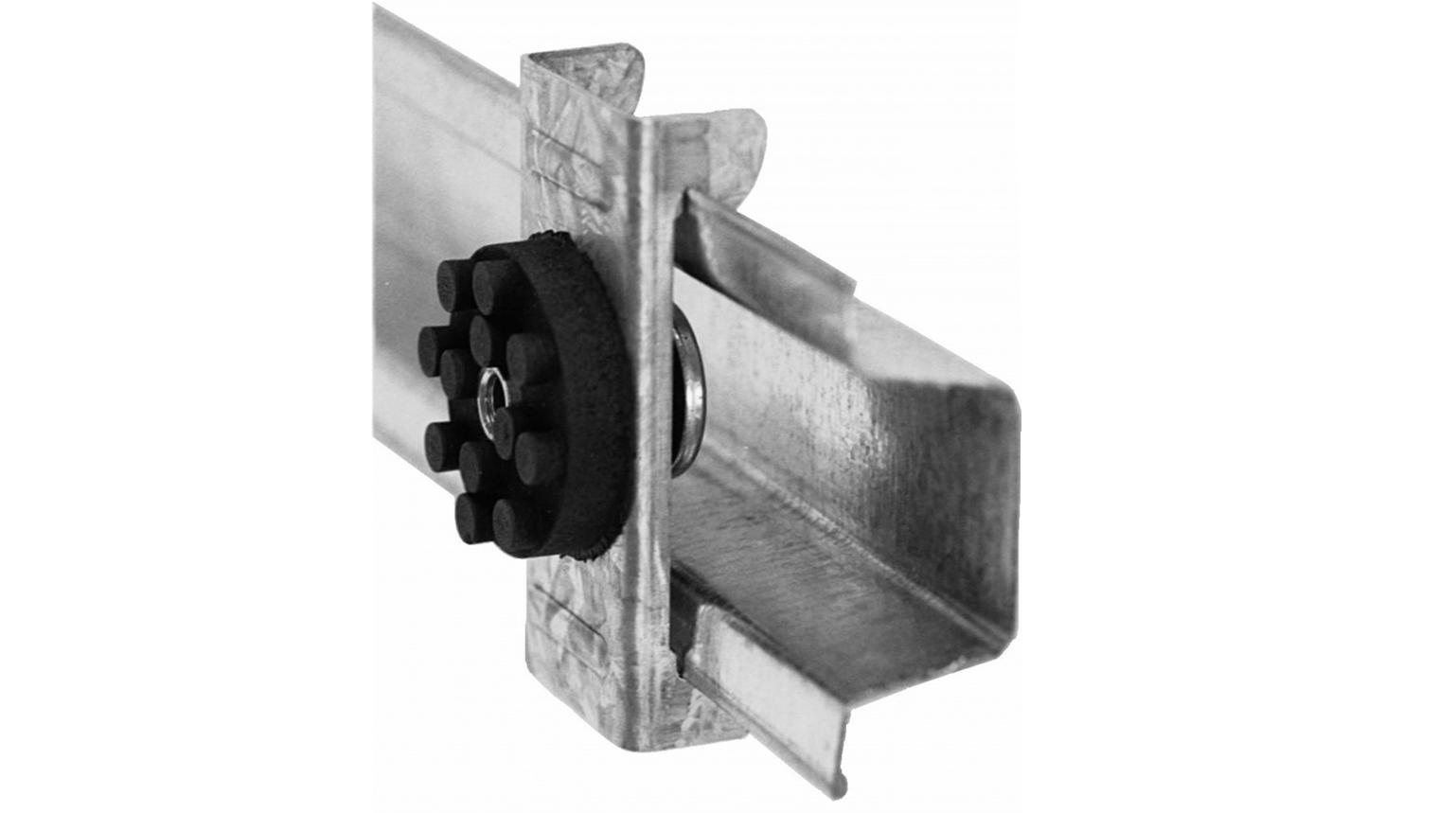
Sound isolation clips come in different styles depending on how much weight your wall carries and how much acoustic performance you need. Some versions are designed for lightweight single-room renovations, while others are engineered for large home theaters, commercial studios, or rooms that require very high STC ratings.
From a design standpoint, every clip includes three components: the mounting bracket, the rubber isolation element and the hat channel connection point. These pieces work together to create controlled flexibility. The difference between clip types often comes down to the thickness and formulation of the rubber, the shape of the bracket and the required spacing on your studs.
Rubber-Based Isolation Clips
Rubber-based clips are the most common style, and for good reason. The rubber element absorbs vibration extremely well while supporting the weight of drywall and additional layers like mass-loaded vinyl. High-quality rubber doesn`t crack, doesn`t dry out and performs consistently for many years. That`s crucial because soundproofing is meant to last, not to provide temporary results.
Rubber-based clips perform especially well under low-frequency pressure. Their ability to compress and rebound under load allows them to handle the rumble of bass-heavy audio, heavy footsteps from upper floors or machinery vibrations. Customers often choose this style for bedrooms, multipurpose rooms and projects where versatility matters more than maximum possible attenuation.
Resilient Channel vs Sound Isolation Clips
This is a comparison homeowners search for constantly, and it`s an important one. Resilient channels are older technology. They offer some decoupling but rely on very thin metal flanges that can easily fail if installed incorrectly or if someone accidentally screws into the wrong part of the channel. One misplaced screw can bridge the system and eliminate the acoustic benefit. For this reason, resilient channels are notoriously inconsistent.
Sound isolation clips solve those weaknesses. They provide stronger mechanical separation, hold more weight, resist accidental short-circuits during construction and deliver more predictable results. In homes where silence truly matters, clips create a more reliable decoupling system. Many professionals, including our team at Sound Pro Solutions, prefer them for projects that require consistent, measurable improvement.
Where to Use Sound Isolation Clips
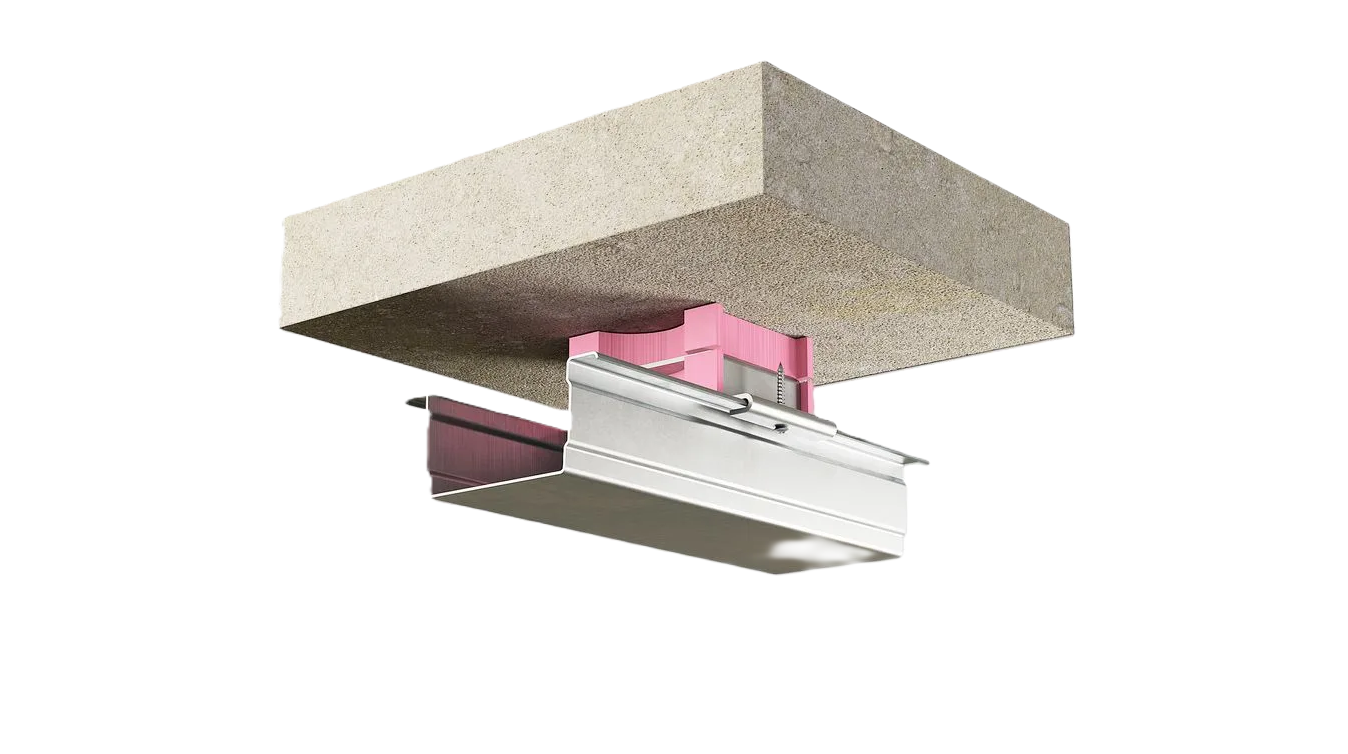
Sound isolation clips can be used in almost any room where noise reduction is a priority. They shine in renovations, new builds and specialized acoustic projects. Because they reduce vibration transfer so effectively, they are especially helpful in spaces where traditional materials simply cannot keep up.
Sound Isolation Clips for Walls
Walls are the most common application. Bedrooms, shared living spaces and home offices all benefit from adding clips behind the drywall. The system doesn`t require demolition of the entire structure, just removal of the exterior layer. Once the clips and hat channels are mounted, you reinstall drywall and instantly elevate the acoustic performance of the room.
The improvement is dramatic. Voices become softer. TV noise fades. Large appliances feel less intrusive. Even conversations behind the wall become muted. For homeowners who value privacy, walls fitted with isolation clips offer a noticeably higher level of separation.
Ceiling Applications
Ceilings are another common place where sound isolation clips make a dramatic difference. Noise from upstairs bedrooms, footsteps, dropped objects or children running can travel through joists with surprising strength. Once that vibration reaches the lower ceiling, it spreads across the drywall like ripples through water. This is why upstairs noise often feels louder than logic suggests.
Installing sound isolation clips on ceilings interrupts that path. The clips create a floating surface that no longer vibrates in sync with the structure above. Instead of the entire ceiling acting like a giant drum, the clips absorb and slow down the impact. This alone can transform a basement, nursery, home office or lower-level living room into a much calmer environment. In many homes we work on, people describe the results as finally being able to "breathe" without the constant thumping overhead.
A ceiling treated with isolation clips also pairs beautifully with additional layers of acoustic material. If you add mass-loaded vinyl behind the drywall or use acoustic panels strategically across the finished surface, the improvement becomes even more impressive. Many homeowners combine all three systems to reach studio-level performance in residential environments.
Home Theaters and Recording Studios
If there is one place where sound isolation clips prove their value instantly, it is in spaces built for audio. Home theaters and studios demand more than simple sound absorption. They need true sound isolation. Noise must stay inside the room, and outside noise must remain where it belongs.
Clips accomplish this by stabilizing low frequencies, which are notorious for escaping through walls and ceilings. When powerful subwoofers fire, bass waves shake the structure. Without decoupling, those waves move through studs, joists and drywall equally. With clips, the drywall becomes acoustically independent. It no longer carries vibration as strongly, which keeps the energy contained within the room.
For recording studios, this structural independence is priceless. Musicians and engineers get cleaner tracks with less vibration bleed. Voice-over artists work without rumble creeping into microphones. Even small project studios benefit because the room becomes more predictable and easier to treat with acoustic panels or diffusion products.
In high-end home theaters, clips help manage the emotional energy of sound. Explosions feel powerful without rattling the entire house. Dialogue becomes clearer because the room is not fighting against structural resonance. The entire viewing experience becomes more immersive and polished.
STC Ratings and Performance Results
Sound Transmission Class, commonly known as STC, measures how well a building assembly blocks airborne noise. This number doesn`t tell the whole story, but it provides a useful baseline when comparing different soundproofing methods. Traditional walls without any upgrades might fall somewhere in the mid-30s. You can add insulation or extra drywall and gain a few points, but the improvement remains modest.
Once you introduce sound isolation clips, the STC rating rises significantly. Many clip-and-channel systems paired with proper insulation and double drywall can achieve STC ratings in the mid-50s and sometimes beyond. This means everyday noises like conversation, TV audio, or household activity become dramatically harder to hear through the wall. In real-world terms, it feels like stepping into a more private, more controlled environment.
One of the most important things to understand about clips is that they don`t just improve STC. They also reduce the transfer of low-frequency vibrations, something the STC scale does not reflect well. That`s why customers often report the improvement as larger than what the numbers suggest. They notice deeper quiet, calmer rooms, fewer thuds and rumbles, and an overall sense of separation from the rest of the house.
At Sound Pro Solutions, we encourage homeowners and contractors to think of clips as the foundation of a high-performance system. Add mass with products like MLV, seal gaps with acoustic caulk, finish the room with decorative acoustic panels, then enjoy the comfort of a truly isolated space. When these elements work together, you get results that feel expensive, refined and permanently effective.
Recent posts


