
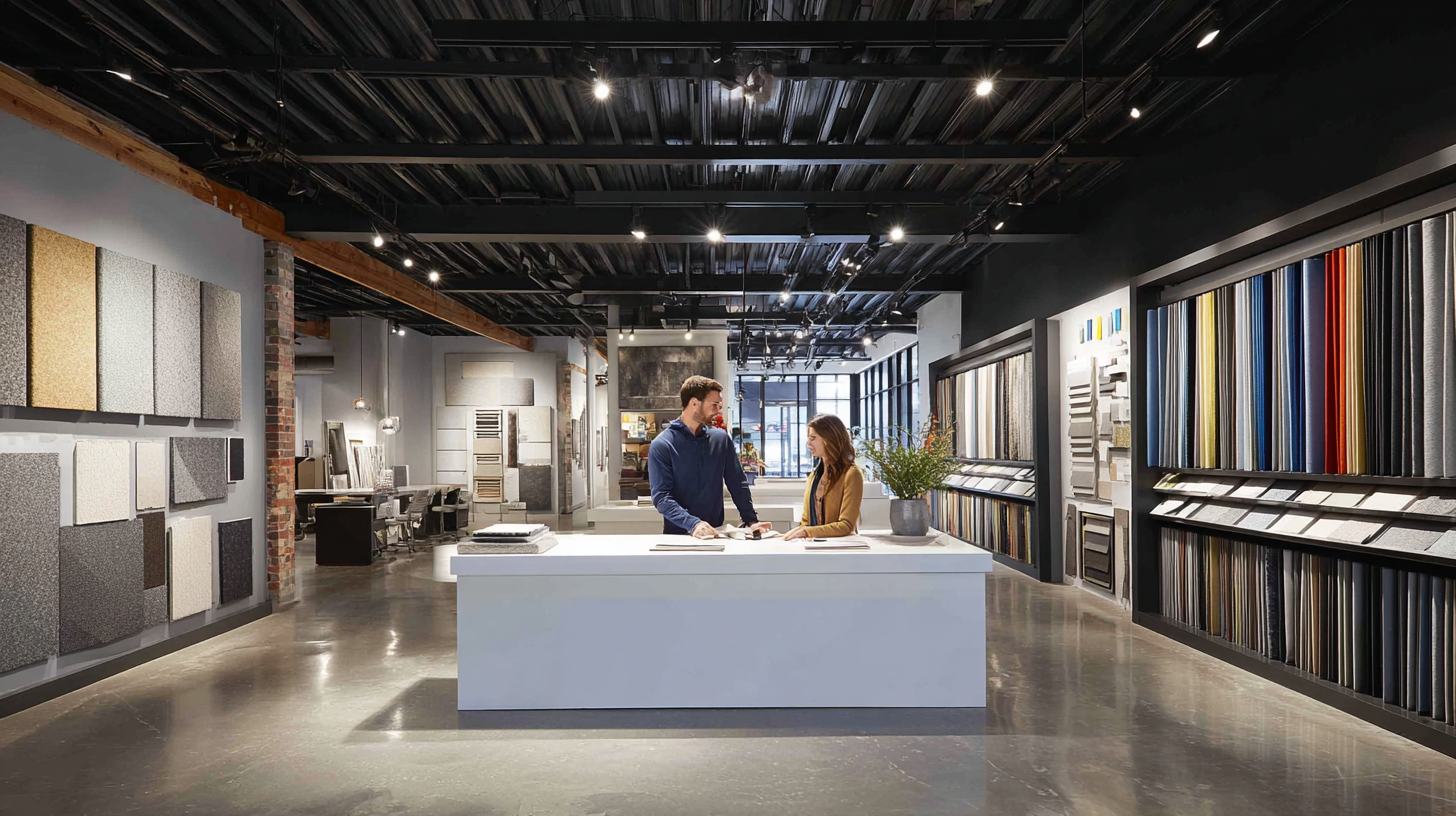
Acoustic panels fall into three functional categories: absorption panels, diffusion panels, and specialty panels. The right type depends on the acoustic problem you are solving - not the room type or budget. This guide covers each type, how it works, its NRC or frequency range, and the conditions under which it is the correct choice.
The Three Categories of Acoustic Panels
Acoustic panels divide into three functional categories based on what they do to sound: absorption panels reduce sound energy within a room, diffusion panels scatter sound to prevent dead spots, and specialty panels address specific problems such as low-frequency buildup or overhead reflections. Each category solves a different acoustic problem.
Absorption panels convert sound wave energy into heat as sound passes through porous material. The result is reduced echo, reverberation, and flutter echo - the room gets quieter and sound decays faster.
Diffusion panels scatter incoming sound waves in multiple directions instead of absorbing them. The room retains its acoustic liveliness, but discrete echoes and standing waves are eliminated.
Specialty panels target physical phenomena that standard absorption or diffusion cannot address on their own: low-frequency pressure in room corners, overhead reflections from high ceilings, or the simultaneous need for absorption and diffusion in commercial interiors.
The correct selection sequence is: identify the acoustic problem first, then select the category, then select the specific panel type within that category.
Absorption Panels - Types, NRC Ratings, and Applications
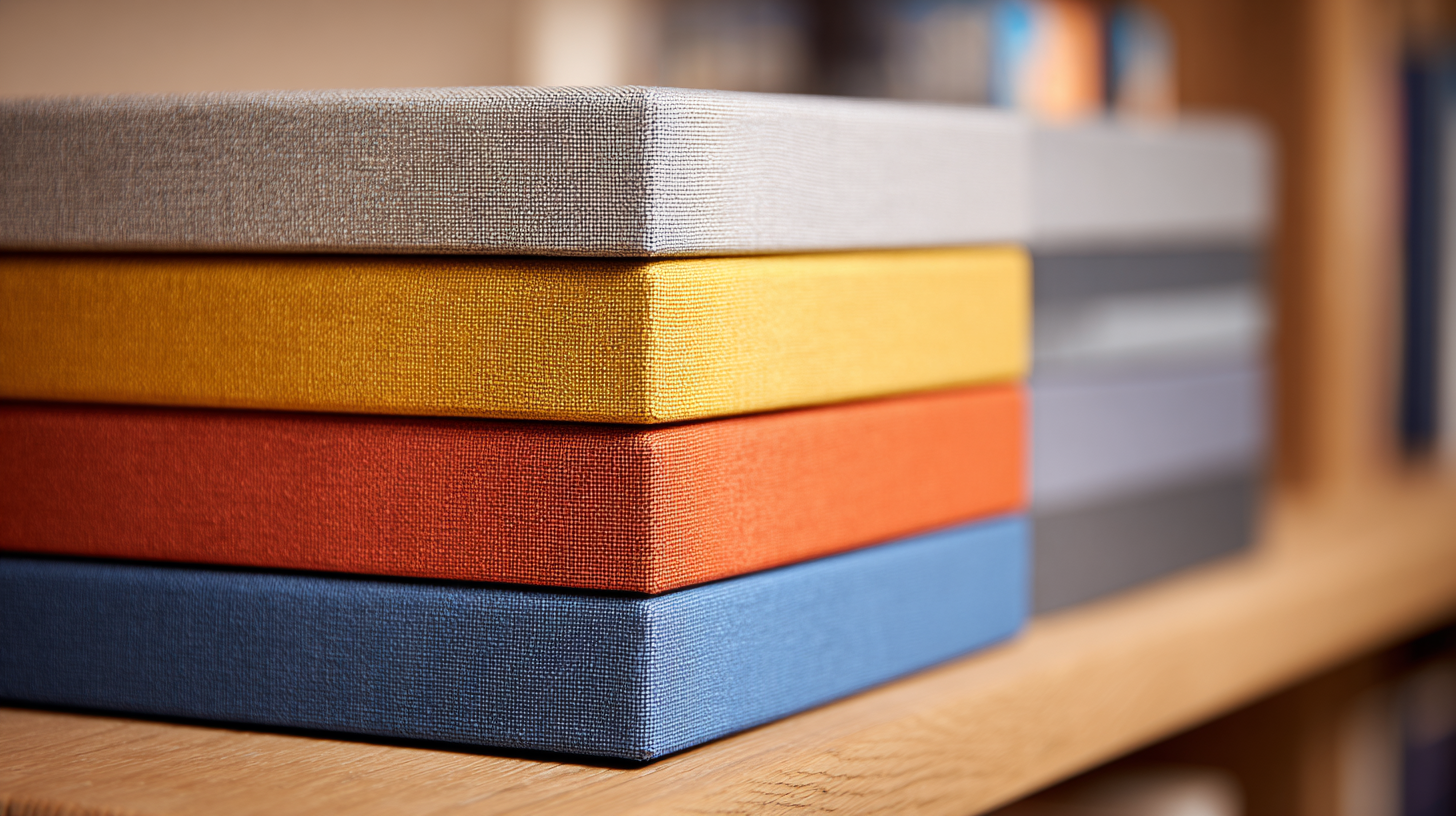
Absorption panels reduce echo, reverberation, and flutter echo by converting sound wave energy into heat as sound passes through porous material. They are rated by NRC (Noise Reduction Coefficient) on a scale from 0.0 to 1.0. An NRC of 0.85 means the panel absorbs 85% of incident sound energy.
Absorption panels are the most commonly installed type and are available in three primary materials: fabric-wrapped fiberglass, mineral wool, and acoustic foam. Each material performs differently across the frequency spectrum.
Fabric-Wrapped Fiberglass Panels
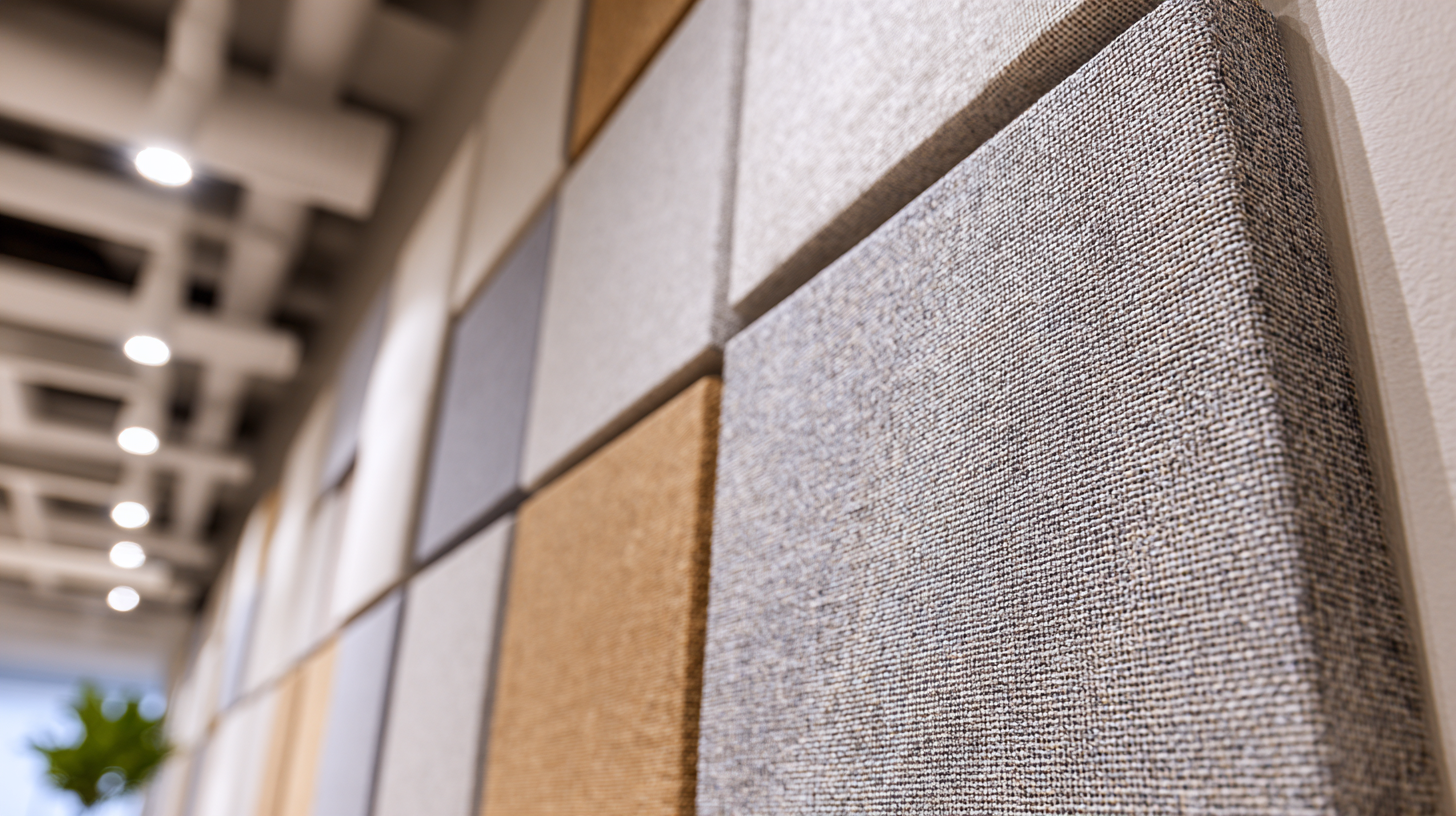
A fabric-wrapped fiberglass panel consists of a rigid fiberglass board core wrapped in acoustically transparent fabric. The fabric allows sound to pass through to the fiberglass without reflecting at the surface.
NRC range: 0.85-1.00, depending on panel thickness. A 1-inch panel achieves NRC 0.85-0.90 at mid and high frequencies. A 2-inch panel extends performance down toward 250 Hz. A 3-inch panel provides meaningful absorption at 125 Hz.
Fabric-wrapped fiberglass panels are the standard choice for recording studios, conference rooms, home theaters, and commercial offices. Compared to acoustic foam at the same thickness, fiberglass panels absorb a broader range of frequencies, including the mid-frequency range critical for voice clarity.
Mineral Wool Panels
A mineral wool panel is made from dense compressed stone wool or slag wool, housed in a rigid frame or wrapped in fabric. Mineral wool has a higher density than fiberglass, which gives it better performance in the 250-500 Hz frequency range at equivalent thickness.
NRC range: 0.90-1.00. At 2 inches, mineral wool outperforms fiberglass in the low-mid frequency range that contributes to bass muddiness in music rooms and broadcast studios.
Mineral wool panels are the preferred choice for spaces with significant low-mid frequency content: live music rooms, broadcast studios, and home theaters where male vocal frequency clarity is a priority. The higher density makes them heavier than fiberglass panels of the same size; mounting hardware must accommodate the additional weight.
Acoustic Foam Panels
Acoustic foam is an open-cell polyurethane or melamine foam panel, typically surface-mounted directly to the wall using adhesive or mounting hardware.
NRC range: 0.50-0.80, effective primarily above 500 Hz. Acoustic foam does not absorb low frequencies - a 2-inch foam panel provides negligible absorption below 250 Hz.
Wedge-profile foam typically achieves a lower NRC than pyramid-profile foam at the same thickness because the pyramid geometry increases surface area.
Acoustic foam is the appropriate choice for budget home studios, podcast booths, and vocal recording rooms where the treatment goal is to reduce high-frequency reflections and flutter echo. For any room with audible bass issues, foam panels alone are insufficient - bass traps are required in addition.
Diffusion Panels - Types and When Diffusion Is the Right Choice
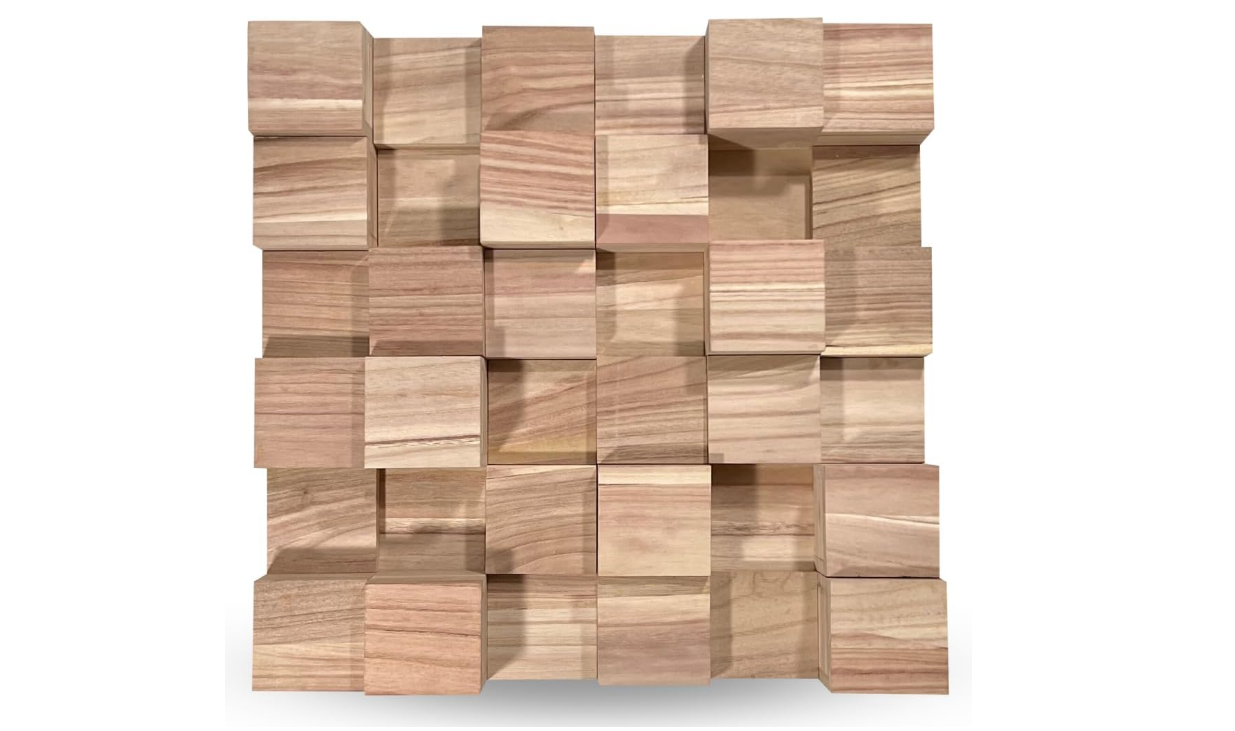
Diffusion panels scatter sound waves in multiple directions rather than absorbing them. They prevent discrete echoes and standing waves while preserving the natural liveliness of a room. Diffusion is the correct choice when a space sounds too dry or acoustically dead after absorption treatment, or when the acoustic goal is spaciousness rather than silence.
Diffusion does not reduce the overall reverberation time (RT60) of a room. A room treated only with diffusion panels will still have excessive reverb. Diffusion works as a complement to absorption, not a replacement.
Quadratic Residue Diffusers (QRD)
A quadratic residue diffuser (QRD) consists of a series of wells with mathematically calculated depths, based on quadratic residue number sequences derived from prime numbers. Each well depth scatters sound at a specific frequency, and the sequence of wells scatters a defined frequency range.
QRD diffusers are effective above the design frequency - the lowest frequency at which the panel's geometry provides meaningful scattering. Below that frequency, the panel provides no diffusion. QRD panels are large and heavy compared to absorption panels of equivalent surface area.
QRD diffusers are used in mastering studios, high-end listening rooms, and on the rear walls of recording spaces where controlled diffusion is required across a specific frequency range.
Skyline Diffusers
A skyline diffuser consists of blocks or columns of varying heights mounted on a flat backing panel. The varying heights scatter sound in two dimensions - the randomized surface breaks up reflections without requiring mathematically precise well depths.
Compared to QRD diffusers, skyline diffusers provide a broader frequency response but less mathematically precise scattering. They are lighter and easier to mount.
Skyline diffusers are used in recording studio control rooms, home theater rear walls, and listening rooms where two-dimensional diffusion is preferred over a mathematically defined QRD scatter pattern.
Specialty Panels - Bass Traps, Ceiling Clouds, and Perforated Wood
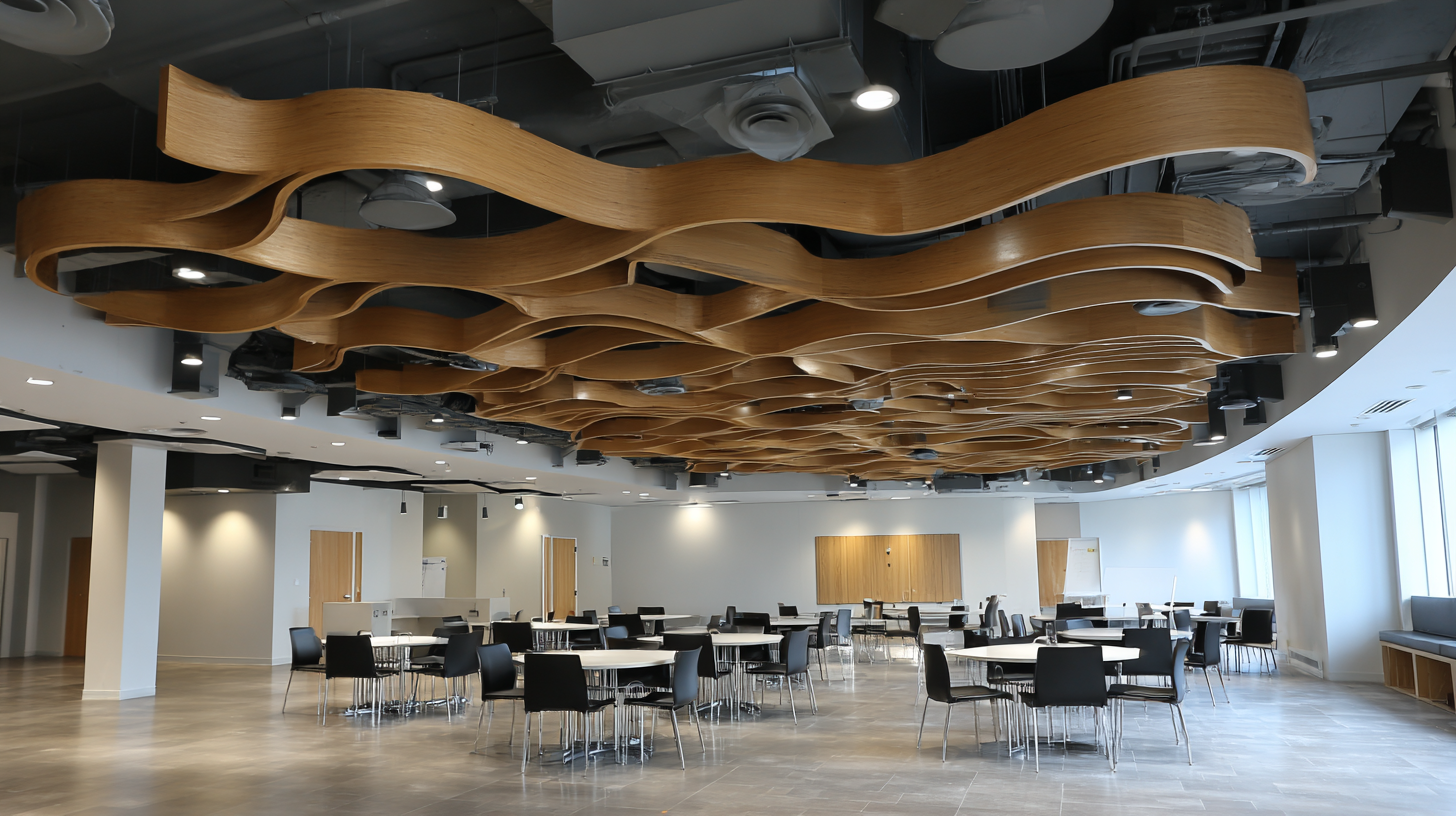
Specialty panels address acoustic problems that standard absorption or diffusion panels cannot solve on their own. Each type targets a specific physical phenomenon: low-frequency corner buildup, overhead reflections, or the simultaneous need for absorption and diffusion in commercial interiors.
Bass Traps
A bass trap is a thick, dense absorption panel - typically 4 to 8 inches deep - designed to absorb low-frequency sound in the range of 20-300 Hz.
Standard 2-inch absorption panels provide no meaningful absorption below approximately 500 Hz. Bass frequencies have long wavelengths and pass through thin panels without significant energy loss.
Low-frequency sound pressure builds up at room boundaries and maximally at corners, where three room surfaces meet. Placing bass traps floor-to-ceiling in room corners addresses the zones of highest bass pressure accumulation.
Bass traps are required in any room with audible bass buildup: home studios with subwoofers, listening rooms, home theaters, and recording live rooms. Symptoms of bass buildup include low-frequency hum at specific positions in the room, muddy bass in playback, or inconsistent low-end response across the room.
Ceiling Clouds
A ceiling cloud is a horizontal absorption panel suspended below the ceiling, positioned directly above the primary listening or speaking area.
The overhead reflection path - from sound source to ceiling to listener - is shorter than lateral reflection paths in most rooms. Shorter path = faster arrival time at the listener = greater interference with the direct sound. Ceiling clouds intercept this overhead reflection before it reaches the listener.
NRC range for ceiling clouds: 0.85-1.00, using the same fabric-wrapped fiberglass or mineral wool material as wall panels. The panel material is identical; the mounting orientation and hardware differ.
Ceiling clouds are the correct solution in conference rooms, open-plan offices, classrooms, and any space with a ceiling height above 9 feet where wall panels alone cannot address the overhead reflection path. They are also used in recording studios to control the reflection between the speaker and the mixing position.
Perforated Wood Panels
A perforated wood panel is a rigid wood panel with holes or slots punched or routed through its surface, backed by an absorptive layer of fiberglass or mineral wool. The perforations allow sound to pass through the wood surface to the absorptive backing, while the wood face scatters some sound back into the room.
The result is a panel that functions as a combination absorber and diffuser. The absorption coefficient depends on the perforation ratio - the percentage of the panel surface that is open - and the density of the backing material.
NRC range: typically 0.50-0.75, lower than a pure absorption panel of equivalent backing thickness because the wood face reflects a portion of the incident sound.
Perforated wood panels are used in auditoriums, concert halls, and commercial interiors where exposed fiberglass or foam treatment is not architecturally acceptable. They provide functional acoustic treatment while maintaining the appearance of a finished wood surface.
Comparison Table - All Acoustic Panel Types at a Glance
The table below compares all seven acoustic panel types across five criteria: primary function, NRC or frequency range, installation type, best applications, and limitations.
|
Panel Type |
Function |
NRC / Freq Range |
Installation |
Best For |
Limitation |
|
Fabric-wrapped fiberglass |
Absorption |
NRC 0.85-1.00 |
Wall-mounted |
Studios, offices, home theaters |
Higher cost than foam |
|
Mineral wool |
Absorption |
NRC 0.90-1.00 |
Wall-mounted |
Music rooms, broadcast studios |
Heavy; requires sturdy mounting |
|
Acoustic foam |
Absorption |
NRC 0.50-0.80 |
Wall-mounted |
Home studios, vocal booths |
Limited low-freq performance |
|
Bass traps |
Low-freq absorption |
20-300 Hz |
Corners / floor-to-ceiling |
Any room with bass buildup |
Large footprint |
|
Ceiling clouds |
Overhead absorption |
NRC 0.85-1.00 |
Suspended from ceiling |
Conference rooms, open offices |
Requires ceiling hardware |
|
QRD / Skyline diffusers |
Diffusion |
Above design frequency |
Wall-mounted |
Mastering rooms, listening rooms |
Does not reduce reverb time |
|
Perforated wood |
Absorption + diffusion |
NRC 0.50-0.75 |
Wall-mounted |
Auditoriums, commercial spaces |
Lower NRC than pure absorbers |
How to Choose the Right Type of Acoustic Panel for Your Space
The correct panel type is determined by the acoustic problem present in the space, not by room type or aesthetic preference. Start by identifying the primary symptom, then match it to the panel type that addresses the underlying physical cause.
Echo and reverberation
Sound continues audibly after the source stops, or the voice sounds washed out and unclear. Solution: fabric-wrapped fiberglass or mineral wool absorption panels, NRC 0.85 or higher, installed at first reflection points on the side walls and ceiling.
Bass buildup
Low-frequency hum, boom, or muddy bass is audible in playback or recording, and the problem changes based on position within the room. Solution: bass traps installed floor-to-ceiling in room corners, where low-frequency pressure accumulates.
Overhead reflections
Sound clarity degrades at the listening or speaking position, particularly in rooms with high ceilings or open-plan layouts. Solution: ceiling clouds suspended directly above the primary listening or working area.
Over-treated room sounds acoustically dead
Voice lacks body, music sounds flat and lifeless, the space feels uncomfortable to speak or perform in. Solution: diffusion panels - QRD or skyline diffusers - on the rear wall or ceiling to restore scattering without increasing reverberation.
Budget home studio treatment
Limited budget, primary goals are echo reduction and vocal clarity. Solution: acoustic foam panels (NRC 0.65 or higher) at first reflection points, supplemented by bass traps in corners. Foam alone does not control low frequencies.
Commercial space requiring finished aesthetics
Acoustic treatment must be architecturally integrated and visually acceptable. Solution: perforated wood panels or fabric-wrapped panels with custom fabric to match interior design requirements.
Most spaces above 200 square feet require a combination of panel types - absorption panels at first reflection points, bass traps in corners, and at least one diffusion surface on a rear wall. Single-type treatment rarely produces a balanced acoustic result across the full frequency range.
Quick Reference - Match Your Problem to the Panel Type
|
Acoustic Problem |
Panel Type to Use |
|
Echo and reverb in a room |
Fabric-wrapped fiberglass or mineral wool (NRC 0.85+) |
|
Bass buildup in corners |
Bass traps (4-8 inch depth, floor-to-ceiling) |
|
Overhead reflections |
Ceiling clouds above primary listening area |
|
Room sounds too dead after treatment |
QRD or skyline diffusers on rear wall |
|
Budget home studio treatment |
Acoustic foam + corner bass traps |
|
Commercial space needing finished aesthetics |
Perforated wood or custom fabric-wrapped panels |
Sound Pro Solutions carries fabric-wrapped fiberglass panels, mineral wool panels, acoustic foam, bass traps, and ceiling cloud kits with verified NRC data for all products. All panels are available with documented test results from accredited acoustic laboratories.
For assistance selecting the correct panel type and coverage area for a specific space, contact Sound Pro Solutions at (888) 661-7233.
Recent posts


