
Choosing the right surface finish for your walls is more important than many homeowners realize. Texture isn’t just decoration. It affects how light moves across the room, how shadows appear, how durable your walls feel and even how sound behaves inside the space. At Sound Pro Solutions, we work with environments where every surface matters. Although our specialty is acoustics and noise control, we constantly deal with wall systems, ceiling assemblies and construction materials that impact the way a room performs. Drywall texture plays a bigger role in this than most people expect.
Whether you’re renovating one room or building an entirely new home, understanding the drywall texture types available today helps you choose the finish that fits your design goals and your daily life. Some textures create a sleek, modern look. Others deliver depth or hide imperfections. A few offer subtle acoustic benefits by disrupting reflective surfaces. Below, I’ll guide you through the most practical and popular options, with notes on where each texture makes sense.
Smooth and Modern Drywall Texture Types
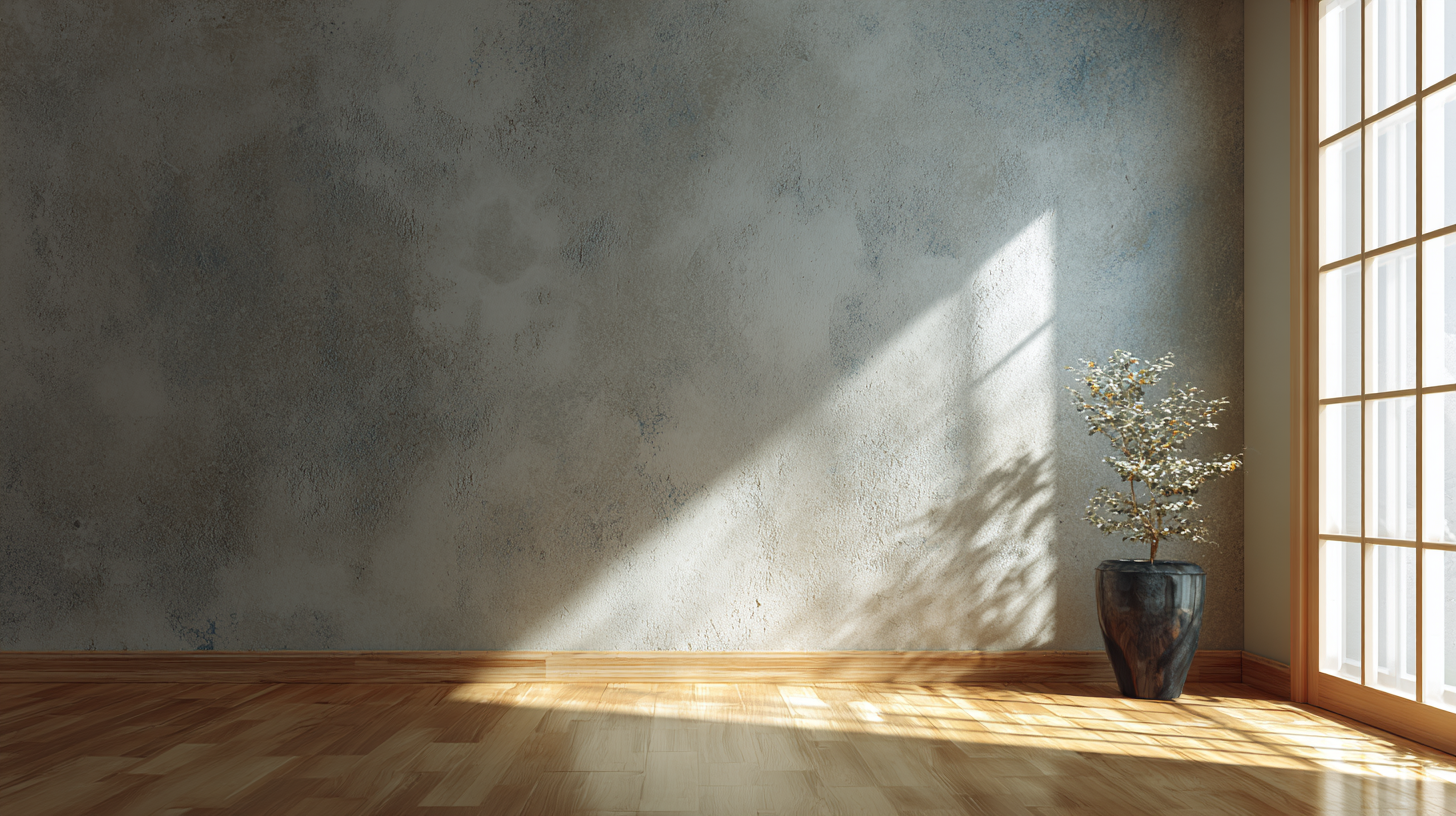
Contemporary interiors often lean toward clean, uninterrupted surfaces. Smooth finishes work beautifully in these spaces because they allow other details to stand out, such as lighting, flooring, or artwork. If you’re aiming for a crisp modern environment, this is usually the direction I recommend. However, it requires careful installation. Smooth finishes expose every flaw, so the underlying drywall must be prepared with extreme precision.
Smooth Texture for Minimalist Interiors
A smooth finish is the cleanest and most modern form of drywall treatment. It resembles polished plaster but is created through precise sanding and finishing of gypsum board. This texture works beautifully with minimalist interiors, especially when paired with linear cabinetry, large-format tiles or concrete floors. Because the surface has no raised points, light moves across it calmly, making the room feel controlled and visually quiet. Designers often use smooth walls as a backdrop for fabric acoustic panels or slatted wood systems, creating a refined environment that supports both design clarity and subtle acoustic comfort.
Venetian Plaster Finish for Luxury Spaces
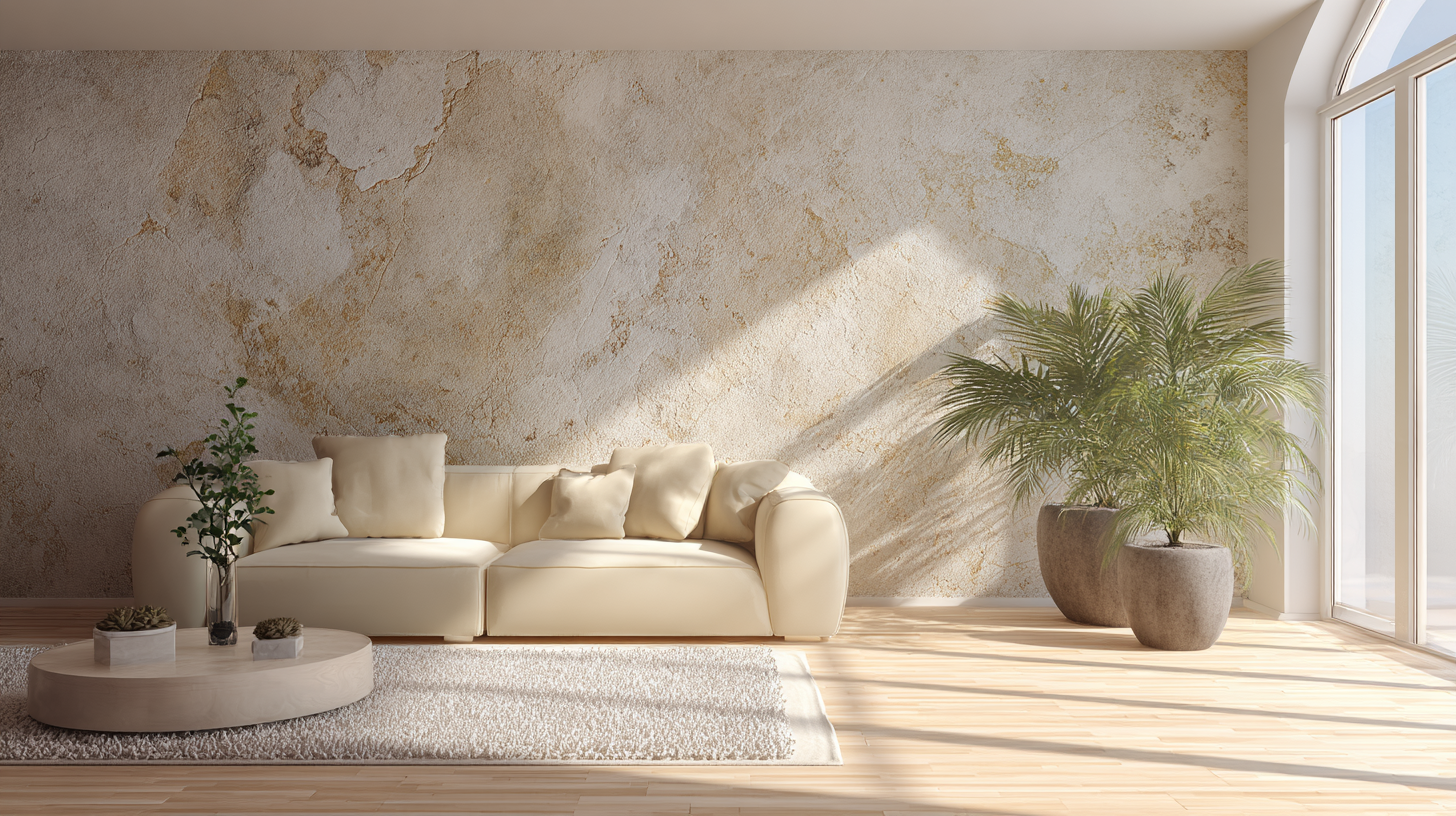
Venetian plaster delivers a richer, more luxurious look while keeping the space elegant and refined. Applied in layered strokes and burnished to create a soft, marble-like glow, it transforms simple drywall into a handcrafted, artistic surface. The finish works especially well in statement areas like dining rooms, boutique studios and upscale entryways where texture and lighting play a major role. Its deep, polished variations in color and sheen make the walls feel warm, dramatic and unmistakably high-end.
Spray-Applied Types of Drywall Texture
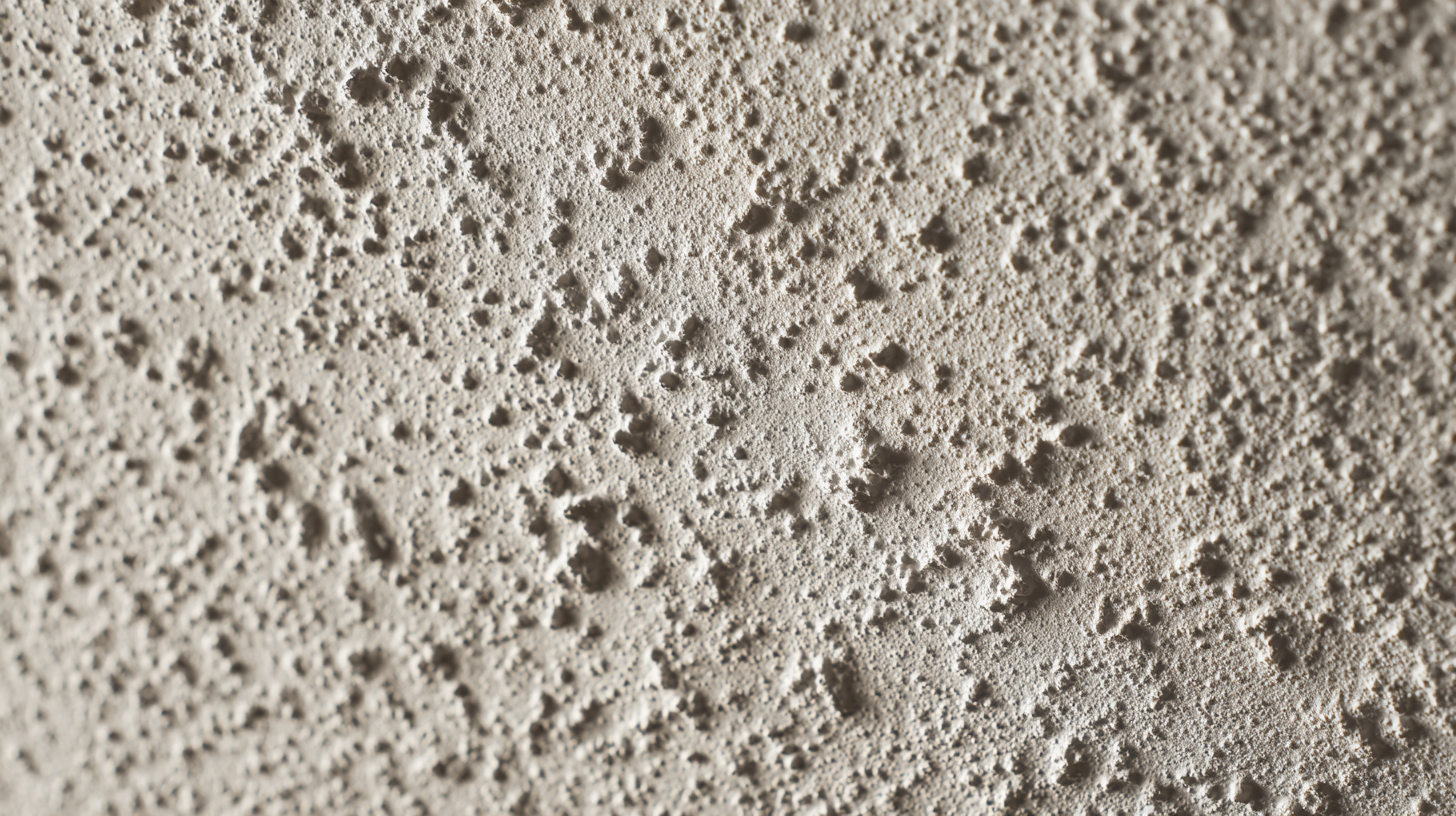
Spray-applied finishes are common because they balance appearance, cost and practicality. They’re also more forgiving in older homes where achieving a flawless smooth surface might not be realistic. These textures work well in rental properties, offices and family homes where small imperfections need to be disguised.
Orange Peel Texture
Orange peel texture creates a light, dimpled surface similar to citrus skin, offering just enough variation to hide minor drywall imperfections while keeping the room visually clean. Applied with a spray gun that produces a fine, even mist, it dries into a subtle pattern that works with nearly any interior style. Homeowners appreciate it for its practicality, easy maintenance and the way it blends seamlessly with paint, which explains why it remains one of the most common types of drywall texture in modern North American homes.
Knockdown Texture
Knockdown texture begins as a sprayed-on mixture, then gets leveled with a drywall knife to flatten raised peaks and create a mottled, organic pattern. The result adds depth and character while still feeling refined enough for contemporary spaces. Because it softens light reflections, knockdown works especially well in open floor plans where transitions need to feel smooth without strong visual contrast, making it a versatile and timeless choice.
Popcorn Texture
Popcorn texture is thick and highly textured, originally popular for its ability to hide major ceiling imperfections and slightly reduce sound reflections. While it once dominated mid-century homes, its bulky appearance and difficulty to clean have made it far less desirable today. Many homeowners now opt to remove popcorn ceilings in favor of cleaner, modern finishes, though it still appears in older properties and certain utility spaces.
Spray Sand Texture
Spray sand texture offers a soft, granular finish created by mixing sand into primer or compound and spraying it onto the surface. The result is a warm, speckled look that feels classic and inviting, making it suitable for hallways, bedrooms and traditional-style homes. It’s durable, forgiving of imperfections and easy to refresh, which is why it remains a reliable choice for subtle texture without overwhelming the space.
Trowel-Applied Different Types of Drywall Texture
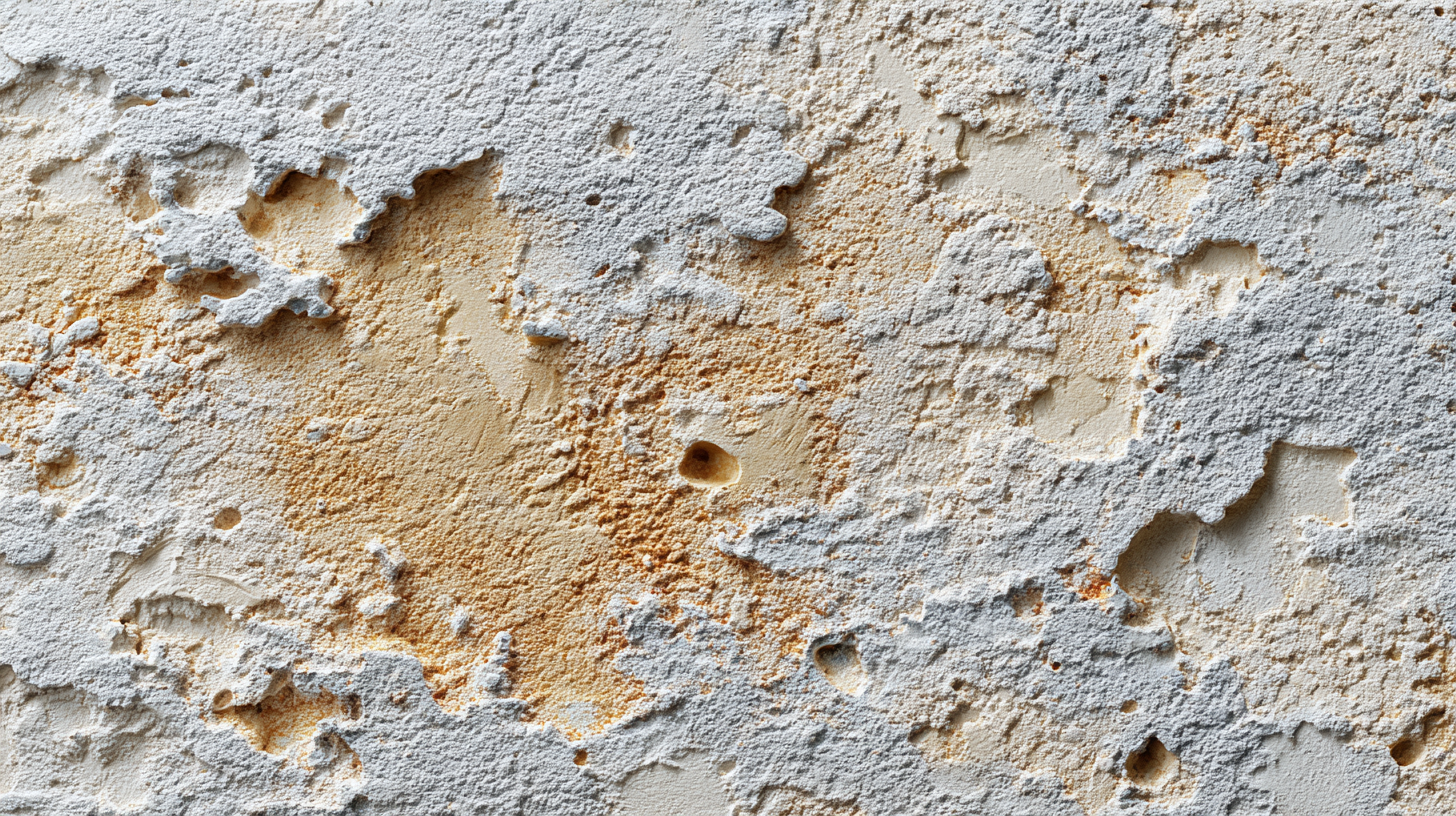
Тrowel-based finishes bring something special into a room. There’s a human element to them, a rhythm created by movement, pressure and technique. These textures suit homeowners who appreciate surfaces that feel crafted rather than manufactured. They also work beautifully in cozy interiors, Southwestern designs and homes that lean toward rustic or Mediterranean inspiration.
Skip Trowel Texture
Skip trowel is a hand-applied finish created by skimming a thin layer of joint compound with a curved trowel, producing soft, airy patches that feel relaxed and slightly weathered. The texture gently diffuses light, which makes living rooms and bedrooms feel warm and inviting. It’s also an excellent option for concealing uneven drywall work because the irregular pattern naturally hides dents, waves and touch-ups. Homeowners who prefer surfaces with a lived-in, organic character appreciate how effortlessly skip trowel balances refinement with approachability.
Hawk and Trowel Texture
Hawk and trowel texture is richer and more dramatic, built from layered strokes that add depth and sculptural movement to a wall. Applied with sweeping motions, it pairs beautifully with low-angle lighting that casts shifting shadows throughout the day, giving rooms a grounded, architectural feel. This finish works well with warm tones, natural materials and textured flooring, creating a bold statement that still blends harmoniously with different types of drywall texture used in adjacent spaces.
Santa Fe Texture
Santa Fe texture uses two layers of compound to create subtle variations where the smooth undercoat shows through, resulting in a calm yet character-driven finish. Popular in Southwestern, Mediterranean and ranch-style homes, it adds warmth without heavy rusticity and adapts surprisingly well to transitional interiors. The effect feels custom and handcrafted, giving walls personality while staying understated enough to complement a wide range of furnishings and color palettes.
Lace and Spanish Lace Finish
Spanish lace is a decorative texture formed by splattering compound and shaping it into interconnected, lace-like ridges that resemble artisanal plasterwork. The pattern is detailed yet harmonious, bringing charm and atmosphere to hallways, sunrooms and formal living spaces. With the right lighting, the raised edges cast elegant shadows that animate the room, making this finish especially appealing to homeowners who appreciate historic or handcrafted visual elements.
Brush and Stomp Drywall Textures for Walls
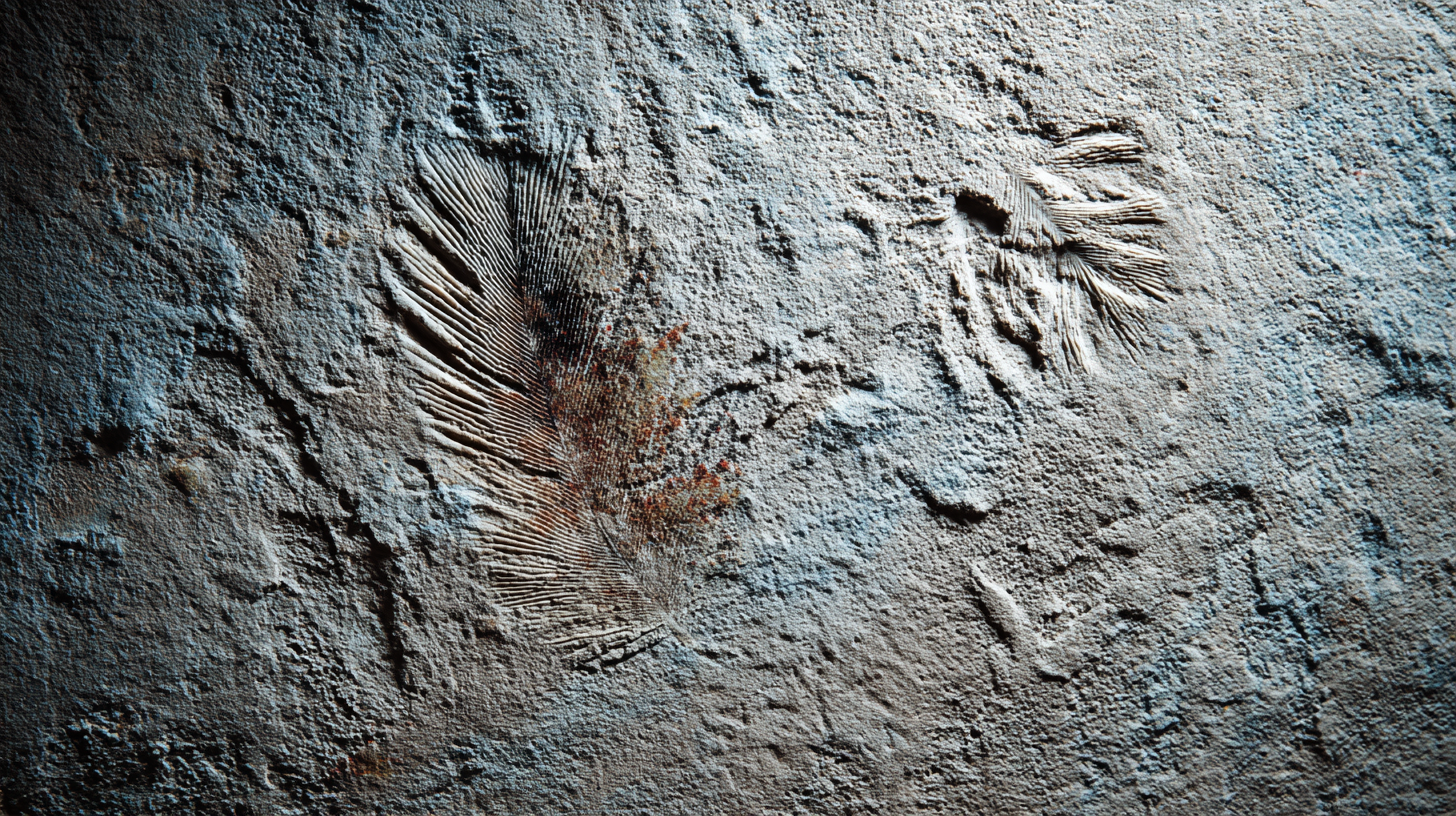
Brush-based textures are made by pressing a specialized brush or stomp tool into wet compound. Compared to trowel finishes, these textures create more defined, patterned impressions. They work well in older homes, traditional interiors, cottages and ceilings where variation helps mask imperfections.
Stomp Brush, Slap Brush and Crow’s Foot Patterns
These textures are created by spreading compound across the surface and “stomping” it with different brushes to form burst-like impressions, overlapping stars or soft, feathery marks depending on the tool. They add movement and depth, making large rooms feel more dynamic while effectively disguising small imperfections. Because the irregular strokes break up reflections, these finishes can subtly soften acoustics as well, something we often notice when evaluating drywall textures for walls in mid-size residential spaces.
Rosebud and Stipple Ceiling Textures
Rosebud texture uses a round stomp brush to make floral, radiating impressions, while stipple texture forms smaller, denser peaks for a more uniform look. Both finishes work particularly well on ceilings, adding visual interest without overwhelming the room. They’re also excellent at hiding seams, framing shifts and patchwork, which is why older homes with ceiling imperfections often rely on rosebud or stipple textures for a clean, consistent appearance.
Decorative Drywall Textures
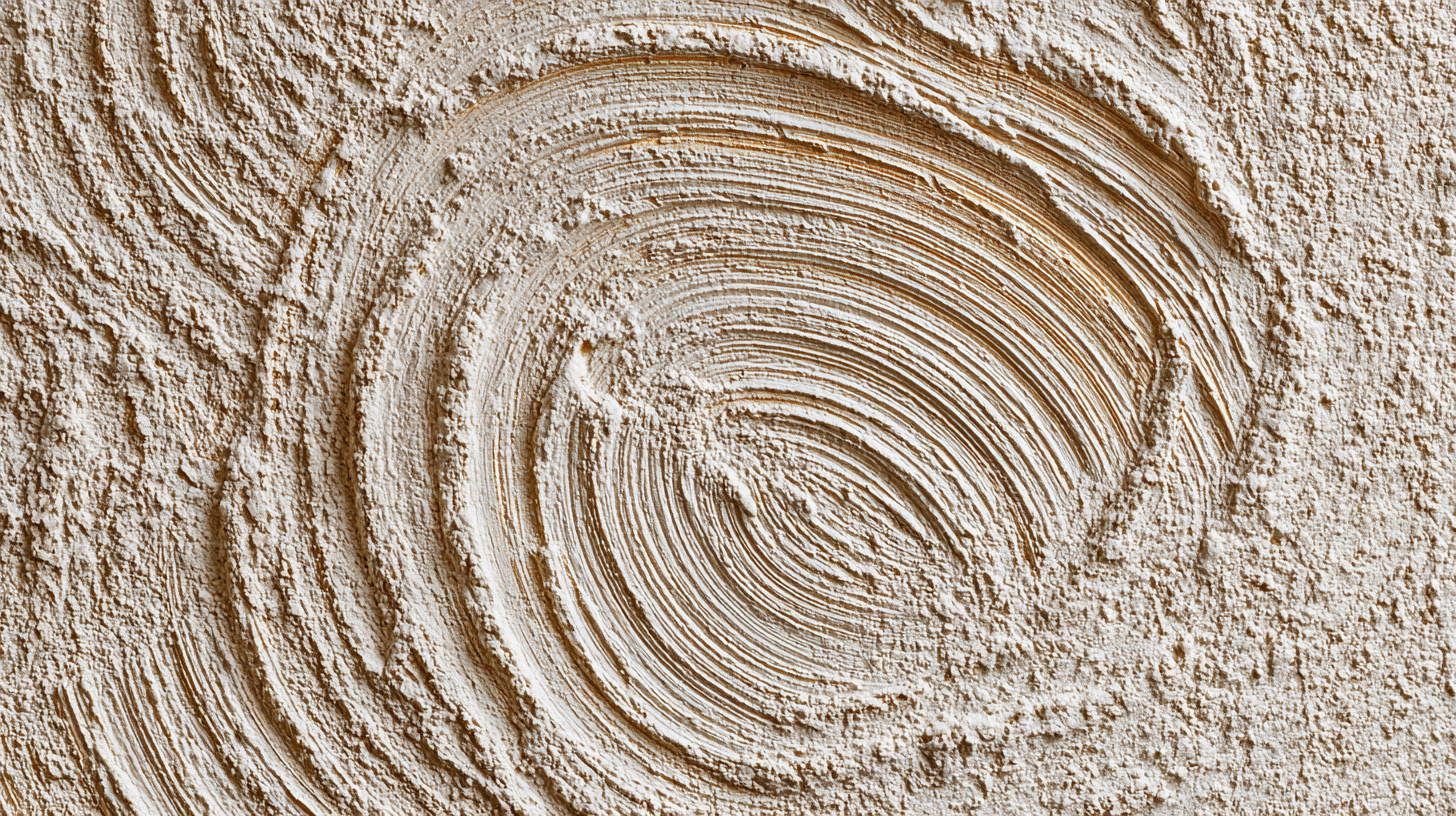
Decorative textures go beyond practicality. These are artistic treatments meant to stand out. They can transform a plain wall into a centerpiece and complement rooms where personality is part of the design intent.
Sand Swirl Texture
Sand swirl texture combines sweeping circular motions with a sandy compound mixture, creating rhythmic, overlapping arcs that feel light and uplifting. Commonly used on ceilings, it softens natural light and adds visual interest without overwhelming the space. The gentle pattern works well in rooms with tall ceilings and pairs beautifully with simple décor, bringing balance and subtle artistic movement to the interior.
Fish Scale, Fan and Comb Patterns
Fish scale, fan and comb textures are created with toothed trowels or combs to form scalloped arcs, radiating fan shapes or flowing linear waves. Each design has a distinct personality, from playful vintage curves to elegant fan sweeps or more geometric comb patterns. With the right lighting, these finishes cast striking shadows that turn an ordinary painted wall into a sculptural focal point, especially in hallways, bathrooms or eclectic living spaces.
Tree Bark and Bas-Relief Artistic Finishes
Tree bark texture uses long, uneven grooves to mimic natural wood grain, adding rustic warmth that pairs beautifully with beams, stone or lodge-style architecture. Bas-relief finishes push the concept further by sculpting shapes or patterns directly into thick compound, transforming the wall into a piece of art. Though they require skill and vision, these textures create unforgettable surfaces for homes that value individuality and expressive design.
How Drywall Texture Affects Room Acoustics
As specialists in sound control, we pay close attention to how wall textures interact with acoustics. While drywall textures don’t replace proper acoustic treatments, they do influence how sound behaves. Smooth walls reflect sound more strongly, which can contribute to echo or sharpness in large or minimally furnished spaces. Textured finishes scatter sound in various directions. Even subtle disruption of a flat plane can reduce small-scale reflections and create a softer, more comfortable acoustic environment.
More dramatic textures, like knockdown or skip trowel, break up reflections slightly more. Ceilings with stipple or rosebud patterns can also help reduce flutter echo, especially in long rooms or hallways. None of these should be considered standalone solutions for soundproofing or heavy noise issues, but they do contribute to the overall acoustic character of a room. When combined with proper acoustic panels, bass traps or door sealing systems (all of which we supply and test extensively), textured drywall can support a balanced and pleasant sound environment.
Recent posts


