
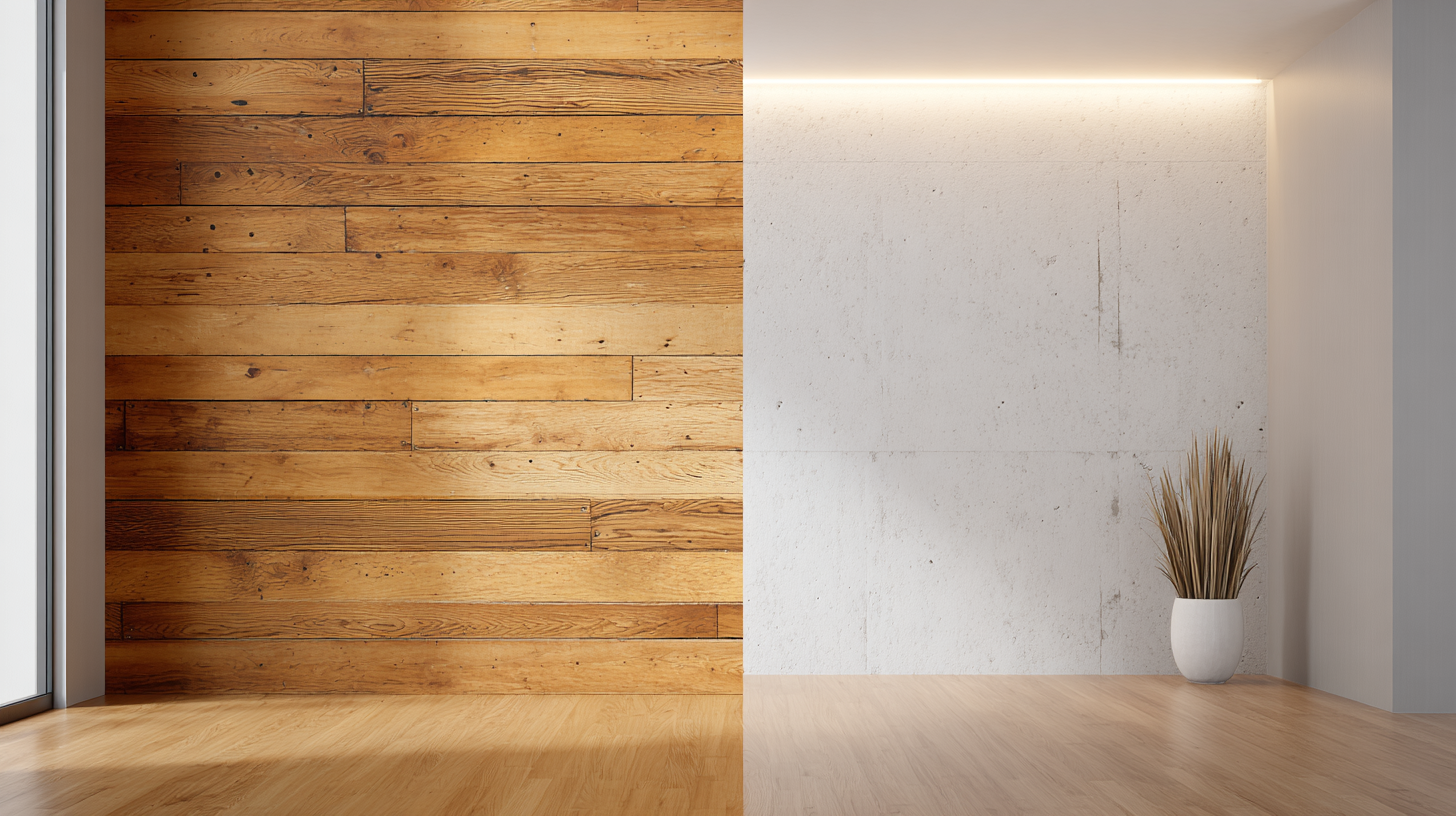
You're planning a renovation. Maybe finishing a basement. Building out an attic. Or just updating tired walls that need fresh life. The question hits you while browsing materials at the home improvement store.
Is wood paneling cheaper than drywall? The price tags seem to suggest drywall wins. But something feels off about that simple comparison.
Here's the truth. Material cost tells only part of the story. Drywall requires finishing, taping, mudding, sanding, priming, and painting. Wood paneling often goes up and you're done. When you factor in total installed cost, the gap narrows dramatically. Sometimes it disappears entirely.
This article breaks down every expense involved in both options. We'll compare materials, labor, DIY potential, and long-term value. Plus, we'll cover something most cost comparisons ignore completely: how each material affects your room's acoustics. Because what good is saving money on walls if your space sounds terrible?
Wood Paneling vs. Drywall Cost
Let's get into real numbers. Not vague estimates. Actual costs you'll encounter when pricing out your project.
Material Costs
Raw material pricing favors drywall. No surprise there. Gypsum board is mass-produced and cheap. Wood costs more to harvest, process, and manufacture into panels.
Here's what you'll pay per square foot:
|
Material |
Cost per Sq Ft |
|
Drywall (1/2") |
$0.30-$0.50 |
|
Thin MDF paneling |
$0.50-$1.50 |
|
Plywood paneling |
$1.50-$3.00 |
|
Solid wood (pine, cedar) |
$4.00-$8.00 |
|
Peel-and-stick panels |
$3.00-$7.00 |
The wood paneling vs drywall material comparison isn't close. Drywall costs a fraction of most wood options. Budget MDF paneling comes closest, but even that runs 50-100% more than basic gypsum board.
If material cost were everything, this article would end here. Drywall wins. But material cost isn't everything.
Labor Costs
Installation tells a different story. Drywall seems simple. Screw sheets to studs. Done, right?
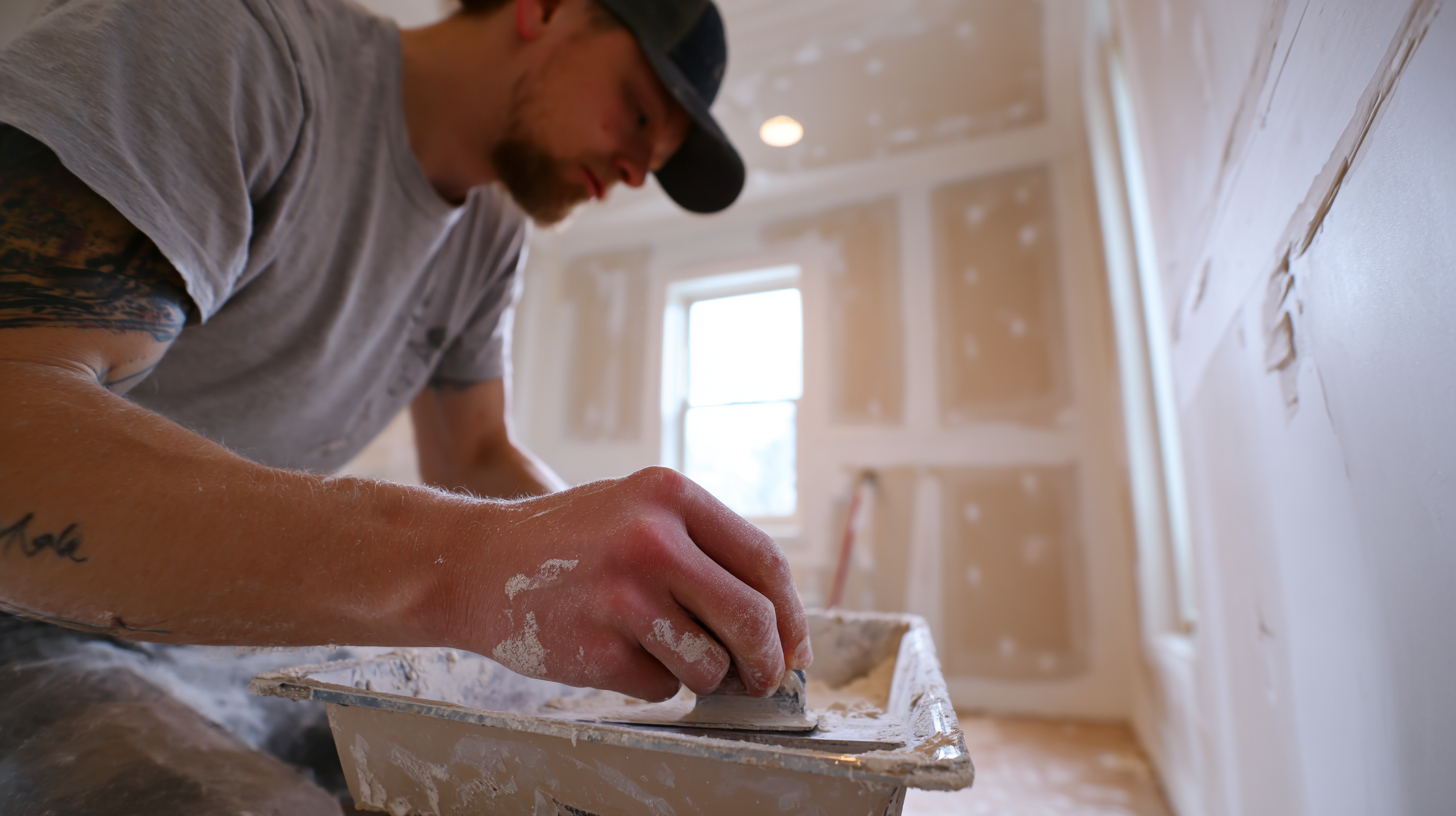
Not even close. Drywall installation is actually a multi-stage process. Hanging the boards is just the beginning. Then comes taping seams. Applying joint compound. Waiting for it to dry. Sanding smooth. Applying more compounds. More drying. More sanding. Priming. Painting. Often multiple coats.
Professional drywall finishing requires skill and patience. Most DIYers struggle with it. Those seams and screw holes show through if the mudding isn't perfect.
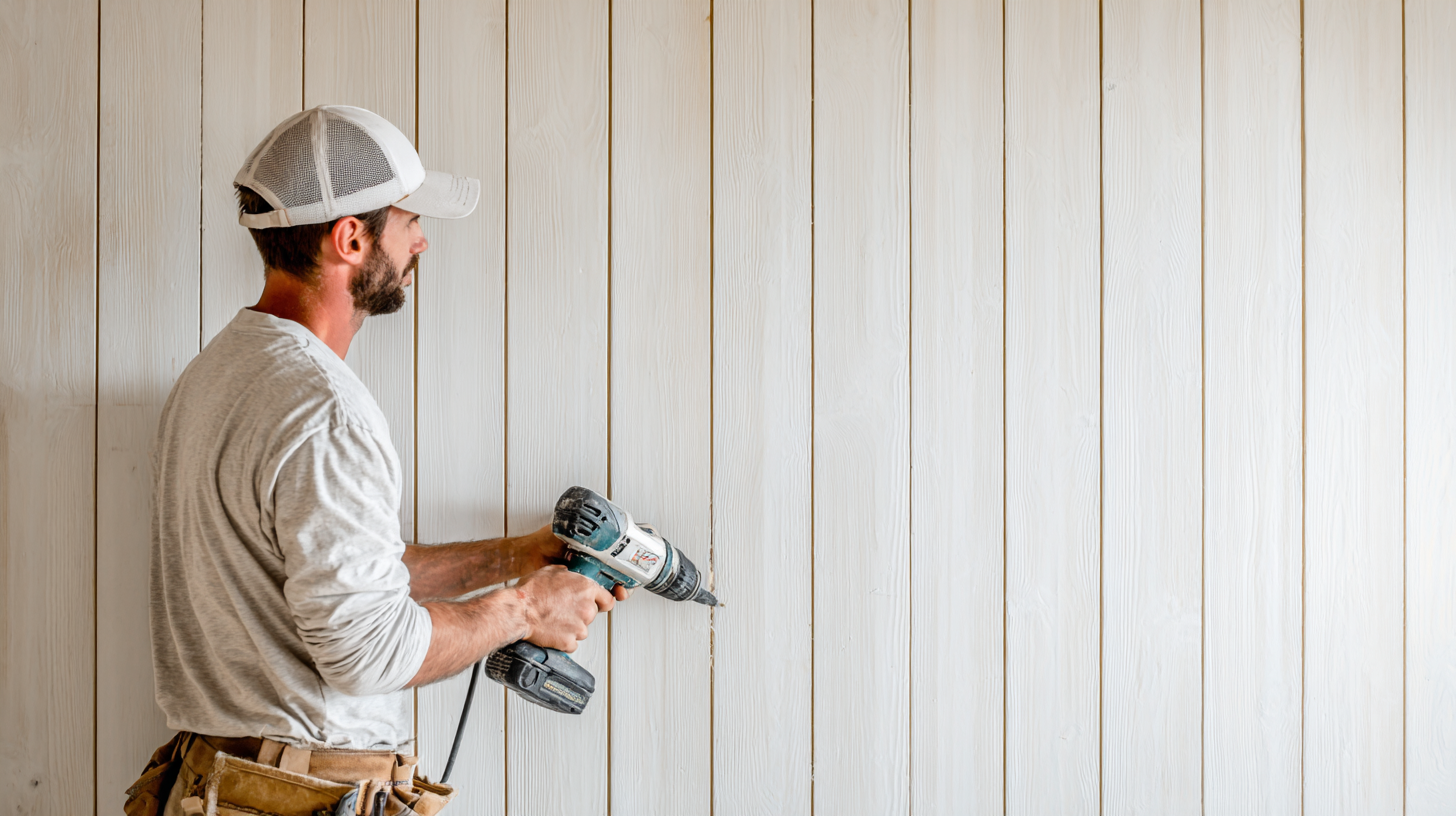
Wood paneling? Measure, cut, attach. Many products come prefinished. No taping. No mudding. No painting unless you want to.
Here's how labor costs compare:
|
Work |
Drywall |
Wood Paneling |
|
Installation |
$1.50-$3.00/sq ft |
$2.00-$5.00/sq ft |
|
Finishing (tape, mud, sand) |
$1.00-$2.00/sq ft |
Usually none |
|
Painting |
$0.50-$1.50/sq ft |
Often prefinished |
See what happens? Drywall's labor advantage evaporates when you include finishing steps. The wood paneling vs drywall cost gap shrinks considerably once you account for the complete installation process.
Total Installed Cost
Let's put it all together for a typical 200 square foot room:
|
Option |
Materials |
Labor |
Total |
|
Drywall (finished & painted) |
$150-$250 |
$500-$900 |
$650-$1,150 |
|
Budget MDF paneling |
$100-$300 |
$200-$400 |
$300-$700 |
|
Mid-range wood paneling |
$400-$600 |
$300-$500 |
$700-$1,100 |
|
Premium solid wood |
$800-$1,600 |
$400-$800 |
$1,200-$2,400 |
Surprise. Budget MDF paneling can actually cost less than finished drywall. Mid-range wood lands in the same ballpark. Only premium solid wood clearly costs more.
When people ask whether wood paneling is cheaper than drywall, they're usually comparing material tags at the store. That comparison misses half the equation.
DIY Factor
Here's where things get interesting for hands-on homeowners.
Drywall installation itself isn't hard. Screwing boards to studs is straightforward work. But finishing drywall? That's a genuine skill. Taping and mudding look easy on YouTube. In reality, achieving smooth, invisible seams takes practice. Lots of it. First-timers usually produce wavy walls with visible joints.
Bad drywall finishing shows. Forever. Every imperfection catches light and shadow. You'll see it every time you walk into the room.
Using wood paneling instead of drywall simplifies DIY dramatically. Tongue-and-groove boards lock together predictably. Shiplap installs with basic tools. Peel-and-stick panels require almost no skill at all.
The result? A motivated DIYer can achieve professional-looking wood walls on their first try. The same person attempting drywall finishing often creates results that scream amateur.
For DIY projects, wood paneling frequently costs less than hiring professionals to properly finish drywall. Your labor is free. But your skill level matters. Play to your strengths.
Durability, Maintenance, and Resale
Initial cost matters. But walls last decades. What happens over those years affects your true investment.
Durability
Drywall is fragile. Everyone knows this. Doorknobs punch holes through it. Moving furniture leaves dents. Kids with toys create damage that requires patching. Moisture destroys it completely. A single roof leak can ruin an entire ceiling.
Wood handles impact better. Solid panels resist dents and dings that would destroy drywall. Scratches can be sanded out. Even significant damage often gets repaired without replacing entire sections.
But wood has weaknesses too. Moisture causes warping and swelling. Temperature swings create gaps between boards. Cheap MDF paneling can deteriorate in humid environments like basements or bathrooms.
The drywall vs wood paneling durability contest has no clear winner. Each material fails in different conditions. Choose based on your specific environment.
Long-Term Maintenance
Drywall needs regular attention. Scuffs and marks accumulate. Most homeowners repaint every 5-7 years. Cracks develop around door frames and window corners as houses settle. Small holes from picture hangers multiply over time. Patching and touching up become routine.
Wood paneling requires different maintenance. Dusting keeps it looking fresh. Occasional cleaning with appropriate products maintains the finish. Some wood eventually needs refinishing or resealing, though quality prefinished panels can last decades without intervention.
Neither option is maintenance-free. But wood generally demands less ongoing work once properly installed.
Resale Value
This is where style matters as much as material.
Dated wood paneling from the 1970s actively hurts home values. Those dark, thin sheets with fake wood grain scream "needs updating" to buyers. Many homeowners wonder whether replacing wood paneling with drywall would make their homes easier to sell, since outdated paneling can make them harder to sell.
Modern wood treatments tell a different story. Shiplap accent walls add perceived value. Contemporary slat panels signal high-end design. Reclaimed barn wood creates character that buyers pay premium prices for.
Drywall reads as neutral. It neither adds nor subtracts value. Buyers expect it. They don't get excited about it.
The takeaway? Cheap or dated paneling hurts resale. Quality modern wood helps. Drywall stays invisible in the equation.
The Acoustic Difference No One Mentions
Cost comparisons almost never address acoustics. That's a mistake. Your wall material directly affects how your room sounds.
Sound Behavior
Drywall reflects most sound that hits it. A single layer provides minimal sound insulation between rooms. Sound bounces off the surface and stays in your space, contributing to echo and reverberation. Standard drywall does nothing positive for room acoustics.
Thin wood paneling often sounds hollow. Panels mounted with air gaps behind them can actually resonate, amplifying certain frequencies. Is that cheap MDF paneling saving you money? It might make your room sound worse than bare drywall.
Solid wood is highly reflective. Hardwood panels bounce sound like a basketball court. Beautiful? Absolutely. Acoustically helpful? Not at all. Dense wood surfaces can increase echo problems in large rooms.
Acoustic wood panels with proper backing are the exception. These combine decorative wood faces with absorptive materials behind them. Perforated panels and slat systems with felt or fiberglass backing actually improve room acoustics. But they cost significantly more than basic paneling or drywall.
What This Means for Your Space
Here's the honest truth about the drywall vs wood paneling acoustic comparison. Neither material solves sound problems on its own.
Large rooms with hard flooring will echo regardless of the wall material. Home offices will sound hollow on video calls. Home theaters will have acoustic issues. The wall surface alone doesn't fix these problems.
If acoustics matter in your space, plan for acoustic treatment separately. Budget for acoustic panels, ceiling clouds, or proper acoustic wood systems regardless of what's underneath. Your base wall material becomes almost irrelevant when properly treated.
Don't choose between drywall and wood paneling, expecting either to improve your room's sound. They won't. Treat acoustics as a separate line item in your renovation budget.
Which Should You Choose?
After all these numbers and considerations, what's the right call?
Choose drywall when:
- Budget is extremely tight and you're hiring professionals
- You want a neutral backdrop for art and decor
- The space needs frequent updates or color changes
- Moisture isn't a concern
- You prefer traditional residential aesthetics
Choose wood paneling when:
- You're doing the work yourself and want an easier installation
- Distinctive character matters more than cost savings
- The room benefits from warmth and texture
- You're finishing a basement or accent wall
- Long-term durability outweighs initial expense
Consider both together when:
- Main walls get drywall for neutrality and budget
- Feature walls get wood paneling for impact
- This hybrid approach maximizes value while creating visual interest
The "is wood paneling cheaper than drywall?" question has no universal answer. Budget MDF beats finished drywall on price. Premium wood costs considerably more. Everything else lands somewhere in between, depending on your specific choices and circumstances.
What matters most is matching your decision to your priorities. Tight budget with professional installation? Drywall probably wins. DIY project where you want great results without advanced skills? Wood paneling deserves serious consideration.
Need help with the acoustic side of your renovation? Browse our wood acoustic panel collection or call us at +1-888-661-7233. We'll help you create a space that looks great and sounds even better.
Recent posts


