
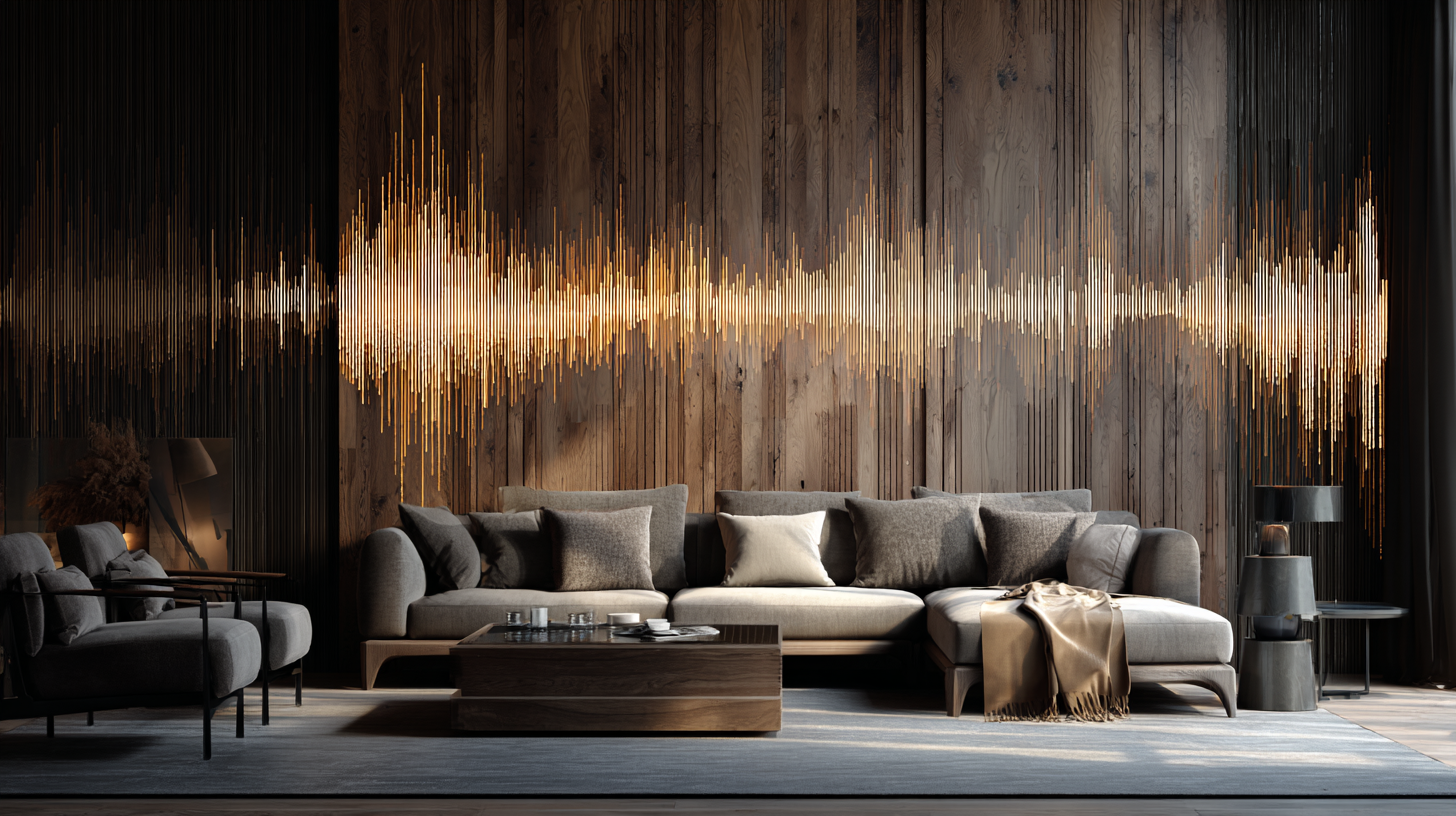
Wood looks beautiful. It feels warm. It creates that natural aesthetic everyone seems to want these days. So when you're thinking about acoustic treatment for your space, wood panels seem like a perfect solution. Natural material. Great looks. Absorbs sound. Right?
Not exactly.
Does wood absorb sound? This question comes up constantly. Homeowners assume wooden walls will quiet their rooms. Studio builders think wood paneling will tame reflections. The answer is more complicated than yes or no.
Here's the quick version. Solid wood by itself absorbs almost no sound. It reflects most acoustic energy back into the room. But wood can absolutely be part of an effective acoustic solution when designed correctly.
This article clears up the confusion. We'll explain the physics, bust some myths, and show you when wood actually works for acoustics and when it doesn't. Because spending money on the wrong solution helps nobody.
Does Wood Absorb Sound? (Short Answer)
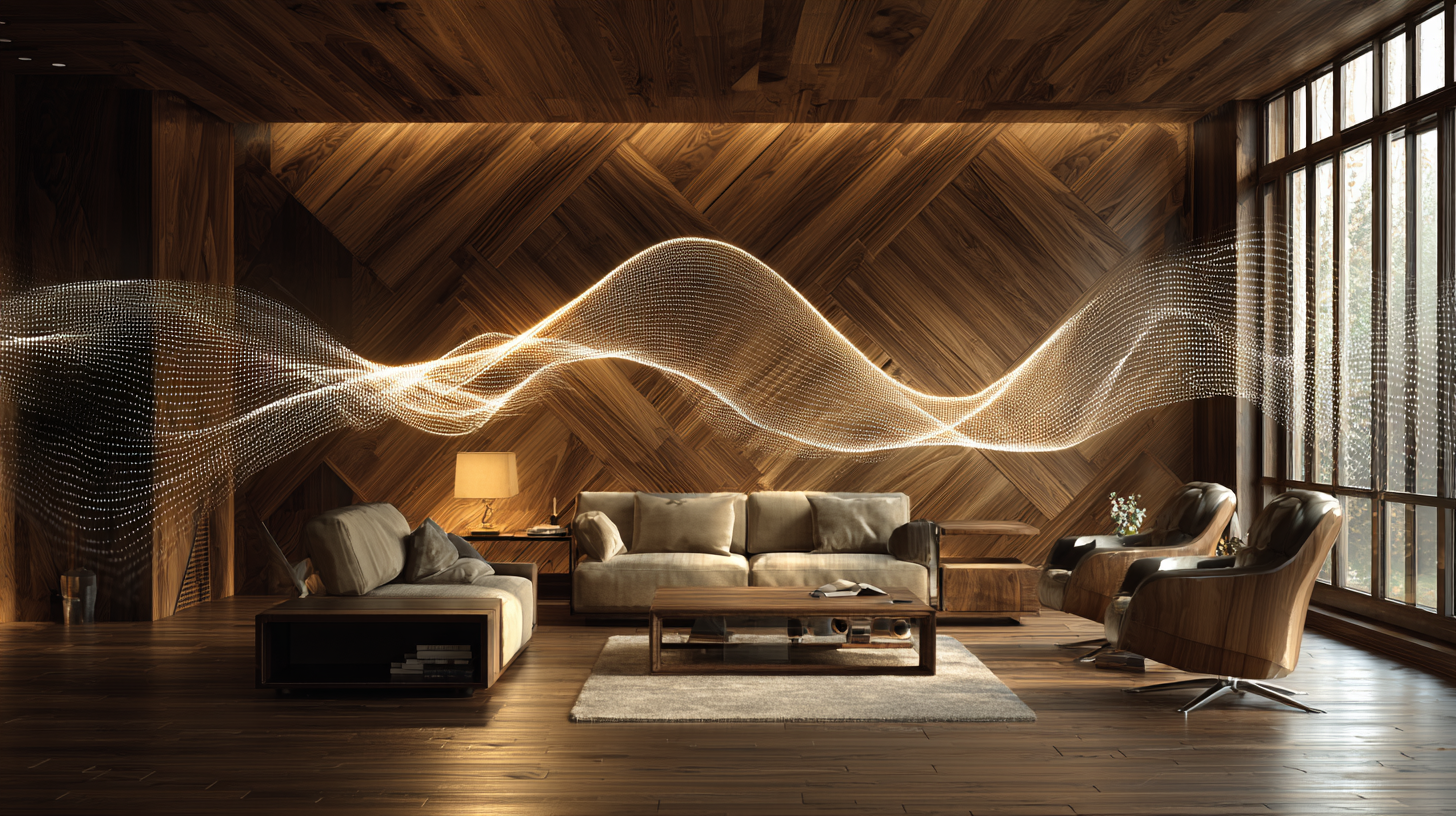
Let's get straight to it. Solid wood panels, hardwood floors, wooden furniture. These absorb very little sound. We're talking maybe 5-10% of the acoustic energy that hits them. The rest bounces right back.
Why? Sound absorption requires porous, soft materials that let sound waves enter and convert their energy into tiny amounts of heat through friction. Think fiberglass insulation. Mineral wool. Heavy fabric. These materials have air pockets and fibers that trap and dissipate sound energy.
Wood is the opposite. Dense. Hard. Smooth. Sound waves hit that surface and reflect like a basketball off a gym floor.
But here's where it gets interesting. Wood acoustic panels exist. They work. How?
The secret is what's behind the wood. Perforated wood panels have holes that let sound pass through to an absorptive backing material. Slat panels with gaps between wooden strips do the same thing. The wood becomes a decorative face while fiberglass or mineral wool behind it does the actual absorbing.
So when someone asks does wood absorb sound, the accurate answer is this. Solid wood doesn't. Wood acoustic systems with proper backing absolutely do. The distinction matters when you're planning a project.
Does Wood Reflect Sound?
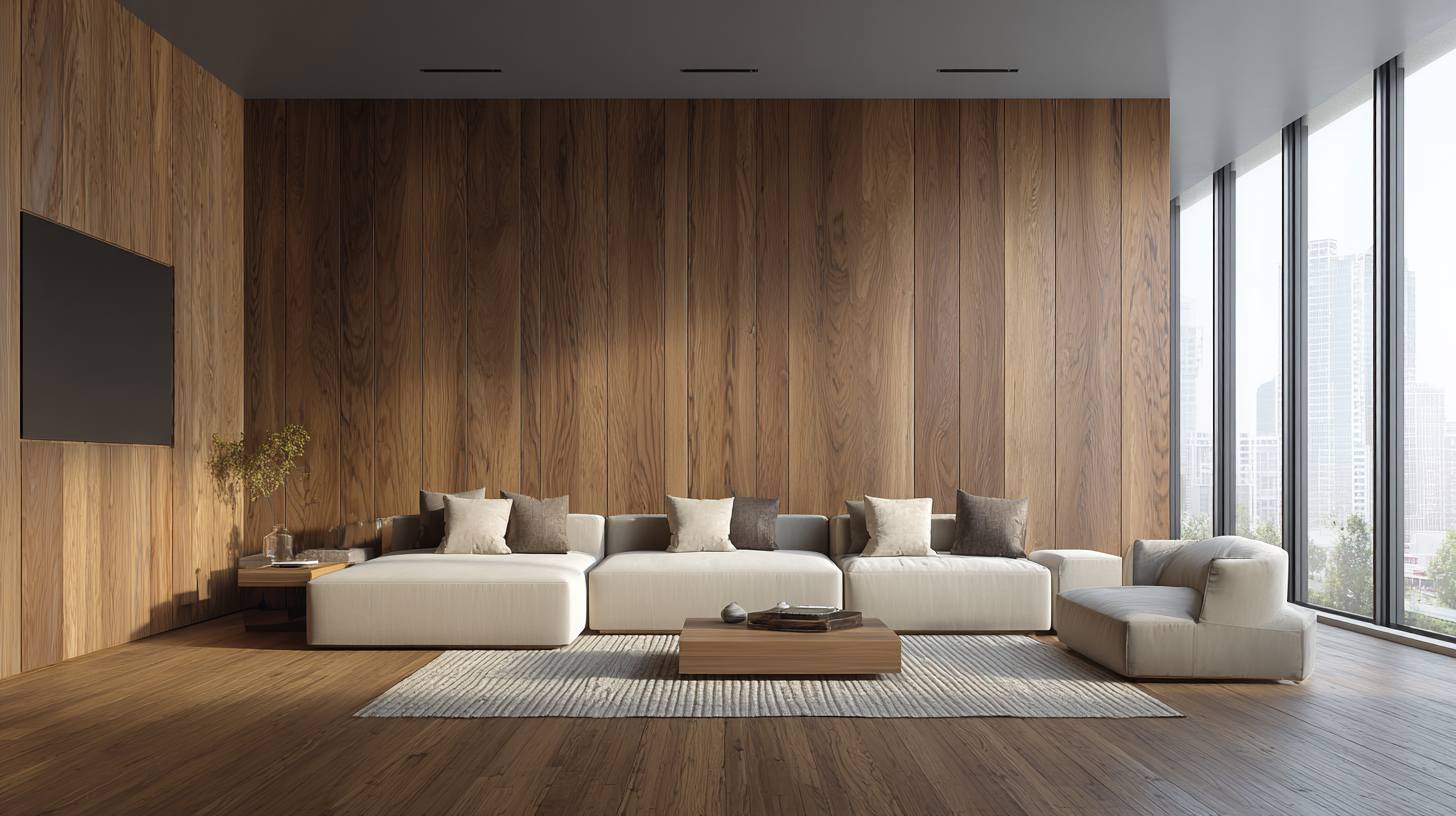
Yes. Wood is a reflective material. That's simply physics.
Does wood reflect sound energy? Almost all of it. When sound waves hit a hard, dense surface like oak or maple, they bounce back with most of their energy intact. Softer woods like pine or cedar reflect slightly less, but the difference is minimal. We're still talking about 85-95% reflection.
This isn't automatically bad. Concert halls use reflective surfaces intentionally. Wood stages project sound toward the audience. Orchestral shells behind musicians direct sound forward. Reflection helps performers be heard.
In your living room or studio, though, excessive reflection creates problems. Echo. Flutter. That harsh, bright quality that makes spaces feel cold and uncomfortable. Multiple reflective surfaces bouncing sound back and forth create acoustic chaos.
Hardwoods reflect more than softwoods due to density. Oak, maple, and walnut are highly reflective. Pine and cedar are slightly less so. But none of them qualify as absorptive materials.
One important clarification. Reflection doesn't equal soundproofing. A reflective surface bounces sound around within a room. It doesn't stop sound from traveling through walls to adjacent spaces. These are completely different acoustic problems requiring completely different solutions.
Is Wood a Good Sound Insulator?
Now we're talking about soundproofing. Blocking sound transmission between spaces. Is wood a good sound insulator for this purpose?
Unfortunately, no. Wood alone performs poorly as sound insulation.
Sound insulation requires mass, density, and ideally some decoupling between surfaces. Thin wood panels don't have enough mass. Sound vibrations pass through relatively easily. That beautiful shiplap wall? Sound travels right through it.
Here's some perspective. A half-inch plywood panel rates around STC 20-25. That's barely better than nothing. Standard 5/8-inch drywall scores STC 28-32. Not great either, but noticeably better than wood.
Effective soundproofing assemblies reach STC 45-55 or higher. They combine multiple elements. Double layers of drywall. Green Glue is a damping compound between layers. Mass-loaded vinyl for added density. Isolation clips to decouple the wall from the structure.
Wood can be part of these assemblies. A nice hardwood finish layer over a properly soundproofed wall looks great. But the wood isn't doing the soundproofing work. It's a decoration.
|
Material |
STC Rating (approx.) |
Notes |
|
1/2" Plywood |
20-25 |
Poor insulator alone |
|
5/8" Drywall |
28-32 |
Better than wood |
|
Mass Loaded Vinyl |
+5-10 STC |
Add-on material |
|
Double drywall + Green Glue |
45-55 |
Effective assembly |
The numbers tell the story. If you need actual sound isolation between rooms, wood isn't your answer.
Is Wood Good for Soundproofing?
Let's address this directly. Is wood good for soundproofing? No. Not on its own.
People confuse two different problems. Acoustic treatment controls sound within a room. Reducing echo, taming reflections, improving clarity. Soundproofing blocks sound from traveling between spaces. Keeping your music from bothering neighbors. Stopping traffic noise from entering your bedroom.
Wood fails at soundproofing for a simple reason. It lacks sufficient mass and density. Sound vibrations pass through wooden panels without much resistance. That gorgeous reclaimed barn wood wall? Your neighbors can still hear your home theater.
Effective soundproofing requires a combination of strategies. Mass to block sound energy. Damping converts vibrations into heat. Decoupling is the process of breaking the physical path through which sound travels through structures.
This means materials like Mass Loaded Vinyl for added density. Green Glue compound between drywall layers for damping. Isolation clips and resilient channels to decouple walls and ceilings from framing. Multiple layers of 5/8-inch drywall to add mass.
Wood can appear in a soundproofed assembly. As the finish layer. The pretty face everyone sees. But underneath, the real work happens with specialized materials designed for sound blocking.
If someone tells you wood paneling will soundproof your room, they're confusing terms. Or selling you something that won't deliver.
Does Wood Paneling Absorb Sound?
This is where things get nuanced. Does wood paneling absorb sound? The answer depends entirely on what type of wood paneling we're discussing.
Solid wood paneling, like traditional wainscoting or shiplap, absorbs almost nothing. It's just another hard reflective surface. Beautiful, yes. Acoustically helpful, no. Your room might actually sound worse with solid wood covering previously bare drywall.
But engineered wood acoustic panels are different creatures entirely.
Perforated wood panels feature precisely drilled holes across their surface. These holes allow sound waves to pass through the decorative wood face and reach the absorptive material behind it. Fiberglass or mineral wool backing does the actual absorption work. The wood provides aesthetics while the hidden core provides function.
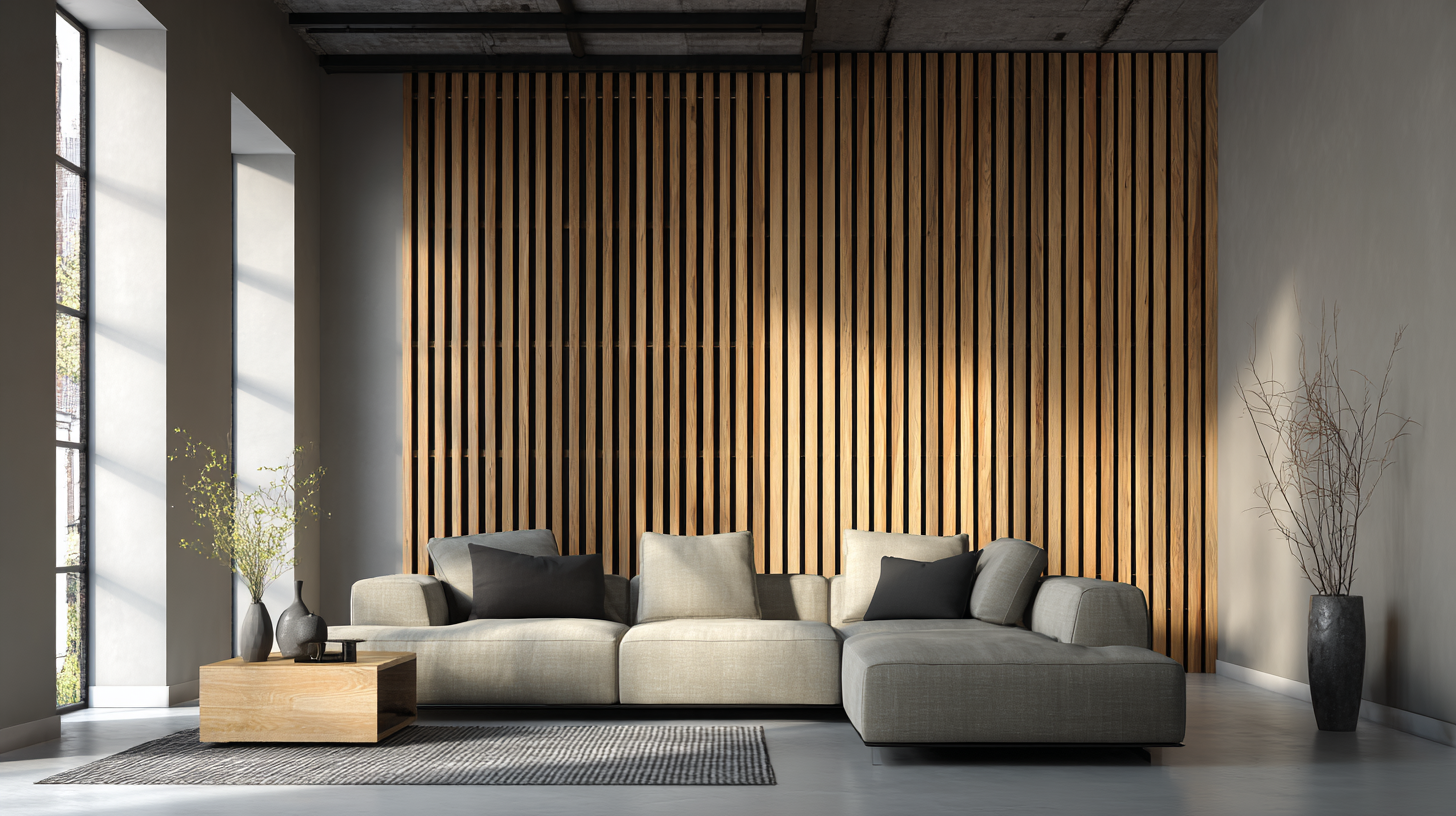
Wood slat panels have become incredibly popular. Thin wooden strips mounted with gaps between them over an acoustic felt or foam backing. Sound enters through the gaps, gets absorbed by the backing material, and doesn't return. These panels combine the warm, natural look of wood with genuine acoustic performance.
The best wood acoustic systems achieve NRC ratings of 0.70 to 0.90. That's comparable to traditional fabric-wrapped panels. You're not sacrificing performance for appearance.
How do they work technically? Sound waves need to reach absorptive material to lose energy. Solid surfaces block that access. Perforations and gaps provide pathways. The wood becomes acoustically transparent while remaining visually solid.
Popular products in this category include slatted panels with felt backing, perforated MDF with fiberglass cores, and custom wood grille systems for architectural applications. Prices run higher than fabric panels, but the design flexibility justifies the cost for many projects.
Need help figuring out the right approach? Browse our wood acoustic panels or call us at +1-888-661-7233. We'll match solutions to your actual acoustic problems rather than selling you pretty panels that don't perform.
Recent posts


