

Acoustic panels control sound within a room by absorbing echo and reverberation. Soundproofing prevents sound from passing between spaces - through walls, floors, and ceilings. Both address noise problems, but they solve completely different ones. Confusing the two leads to the wrong product, wasted money, and unchanged results.
What Acoustic Panels Do and What They Don't
Acoustic panels are surface-mounted materials - typically fiberglass, mineral wool, or foam - designed to absorb sound waves inside a room. They reduce echo, reverberation, and standing waves. They do not block sound from entering or leaving the space.
Acoustic panels are rated by NRC (Noise Reduction Coefficient) - a value between 0.0 and 1.0. An NRC of 0.85 means the panel absorbs 85% of incident sound. A higher NRC means less echo inside the room; it says nothing about sound passing through walls.
Acoustic panels are effective in recording studios, podcast booths, conference rooms, home offices, and home theaters - wherever internal sound clarity is the goal. They do not raise the STC rating of a wall or ceiling. Adding more panels will not stop sound from traveling between rooms.
What Soundproofing Does and What It Requires
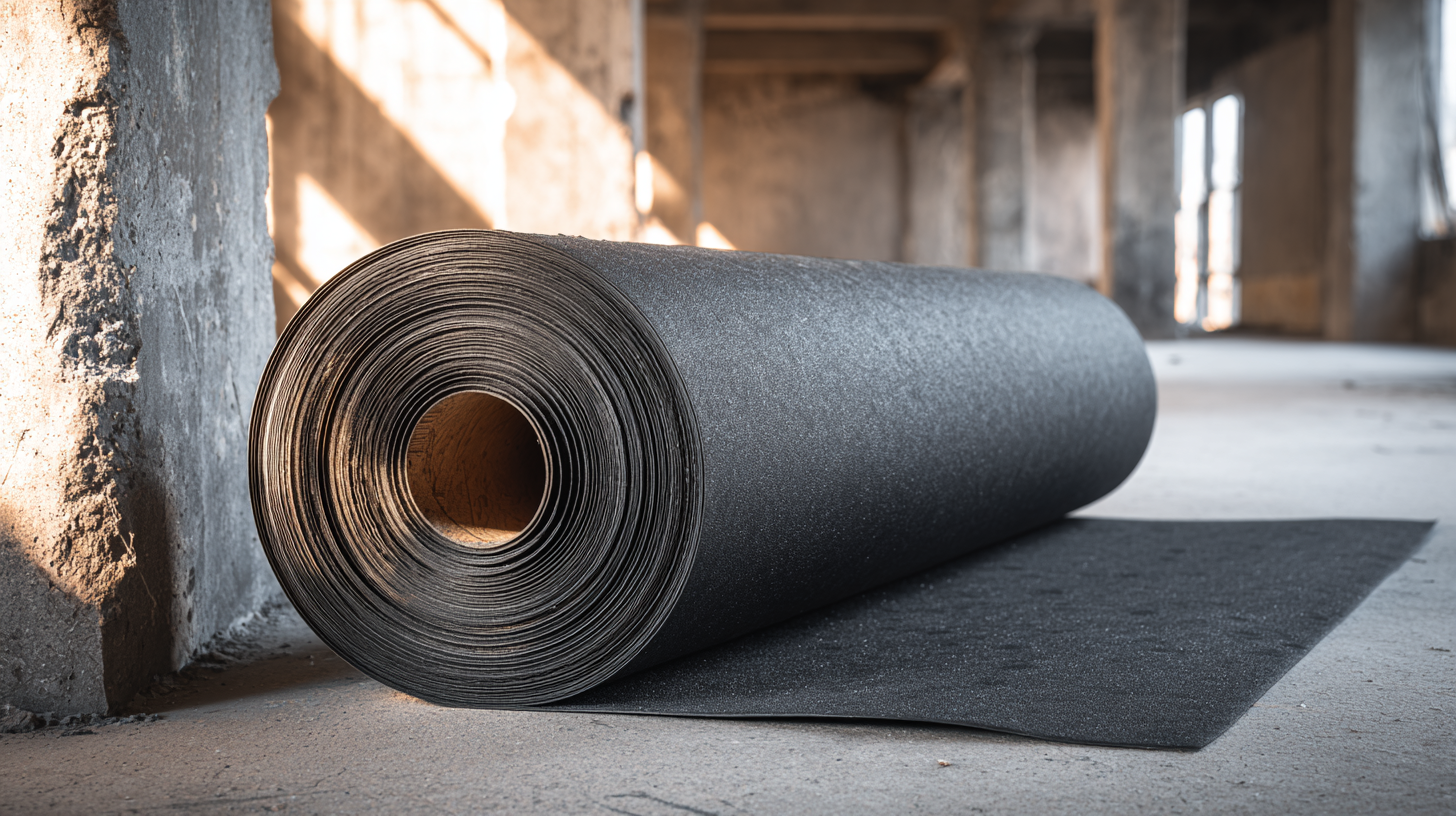
Soundproofing reduces sound transmission between spaces. It works through three physical principles: mass (dense material resists sound pressure), decoupling (separating structural elements interrupts vibration transfer), and absorption within the assembly (dense insulation inside wall cavities). Effective soundproofing requires all three.
Soundproofing is rated by STC (Sound Transmission Class). At STC 25, normal speech is clearly audible through the wall. At STC 40, loud speech is heard as a murmur. At STC 55, loud sounds do not penetrate under normal conditions. U.S. building codes typically require STC 50 between dwelling units in multi-family construction.
Common soundproofing products include mass-loaded vinyl (MLV), resilient channels, acoustic isolation clips, door seal kits, automatic door bottoms, and MLV floor underlayment. These products work as a system - a single unsealed gap negates the performance of the entire assembly.
Acoustic Panels vs Soundproofing - Side-by-Side Comparison
The table below compares acoustic panels and soundproofing across eight criteria: goal, mechanism, key metric, materials, installation, reversibility, cost, and best applications.
|
Criterion |
Acoustic Panels |
Soundproofing |
|
Goal |
Improve sound quality inside the room |
Prevent sound from passing between spaces |
|
Mechanism |
Surface absorption of sound waves |
Mass, decoupling, cavity insulation |
|
Key Metric |
NRC (0.0-1.0) |
STC (numeric rating) |
|
Materials |
Fiberglass, mineral wool, foam, fabric |
MLV, resilient channels, dense insulation, door seals |
|
Installation |
Surface-mounted, no structural changes |
Requires construction or structural integration |
|
Reversibility |
Removable and repositionable |
Typically permanent |
|
Cost |
Lower upfront cost |
Higher investment |
|
Best For |
Echo, reverberation, room acoustics |
Noise between rooms, speech privacy |
The most common mistake is buying acoustic panels to block sound from an adjacent room. Acoustic panels will not solve that problem - regardless of quantity or quality.
NRC vs STC - What Each Metric Actually Measures
NRC (Noise Reduction Coefficient) measures how much sound a surface absorbs within a room, on a scale from 0.0 to 1.0. STC (Sound Transmission Class) measures how well a wall, floor, or ceiling assembly blocks sound from passing through it. These are two independent ratings describing two unrelated physical properties.
A product with a high NRC does not have a high STC. A 2-inch fiberglass panel rated NRC 0.95 contributes near-zero STC performance. Conversely, a wall assembly rated STC 50 may have no acoustic treatment on its surface. Selecting the wrong metric for the wrong problem is the most common purchasing error in this category.
When to Use Acoustic Panels, When to Use Soundproofing, and When You Need Both

The right solution depends on where the noise problem originates - not the room type or budget.
Use acoustic panels when the problem is inside the room: echo on video calls, reverb in recordings, poor speech clarity in a conference room, or flutter echo in a home theater.
Use soundproofing when sound is traveling between spaces: noise through a shared wall, street noise through windows, impact noise from the floor above, or the need for speech privacy in a medical or legal office.
Use both when a space requires isolation and internal acoustic control simultaneously - a recording studio, a home theater that must not disturb adjacent rooms, or a bedroom with both transmission noise and excessive reverberation.
When both solutions are needed, the order matters: soundproofing is applied first at the structural level, acoustic treatment second at the surface level.
If your problem is echo - use acoustic panels. If your problem is noise coming through a wall, use soundproofing. If you have both problems - you need both solutions applied in the correct order: soundproofing first, acoustic treatment second.
Common Misconceptions
"Soundproof panels" is an accurate product description. It is not. No panel surface-mounted on a finished wall provides meaningful sound isolation between rooms. Products that contribute to soundproofing - such as MLV and resilient channels - are installed inside assemblies, not on room surfaces.
More acoustic panels equal more isolation. Adding panels increases NRC performance and reduces internal reverberation. It has no effect on STC. A room fully covered in acoustic foam still transmits neighbor noise at nearly the same level as an untreated room.
Soundproofing always requires major construction. Full-assembly soundproofing does. Targeted improvements - door seal kits, acoustic window inserts, MLV behind drywall, acoustic putty in outlet boxes - address specific weak points at lower cost and produce measurable improvement over untreated conditions.
Acoustic Treatment and Soundproofing Products
Sound Pro Solutions carries acoustic panels and soundproofing materials for residential, commercial, and studio applications. Products are selected based on verified NRC and STC performance data.
Acoustic treatment: fabric-wrapped fiberglass panels (NRC 0.85-1.00), mineral wool panels (NRC 0.90-1.00), acoustic foam (NRC 0.50-0.80), bass traps.
Soundproofing: mass-loaded vinyl (1 lb and 2 lb/sq ft), resilient channels, acoustic isolation clips, door seal kits, automatic door bottoms, MLV floor underlayment.
Contact Sound Pro Solutions at (888) 661-7233 or visit soundprosolutions.com for product recommendations based on your space and performance goals.
What You Need to Know
Acoustic panels improve sound quality inside a room by absorbing echoes and reverberations. They are rated by NRC. They do not block sound from passing between rooms.
Soundproofing reduces sound transmission between spaces using mass, decoupling, and sealing. It is rated by STC. It requires structural integration or purpose-built barrier materials.
If the noise problem is inside the room, use acoustic panels. If sound is passing through walls or floors, use soundproofing. For complete noise control, both solutions are used together, with soundproofing applied first.
Recent posts


