
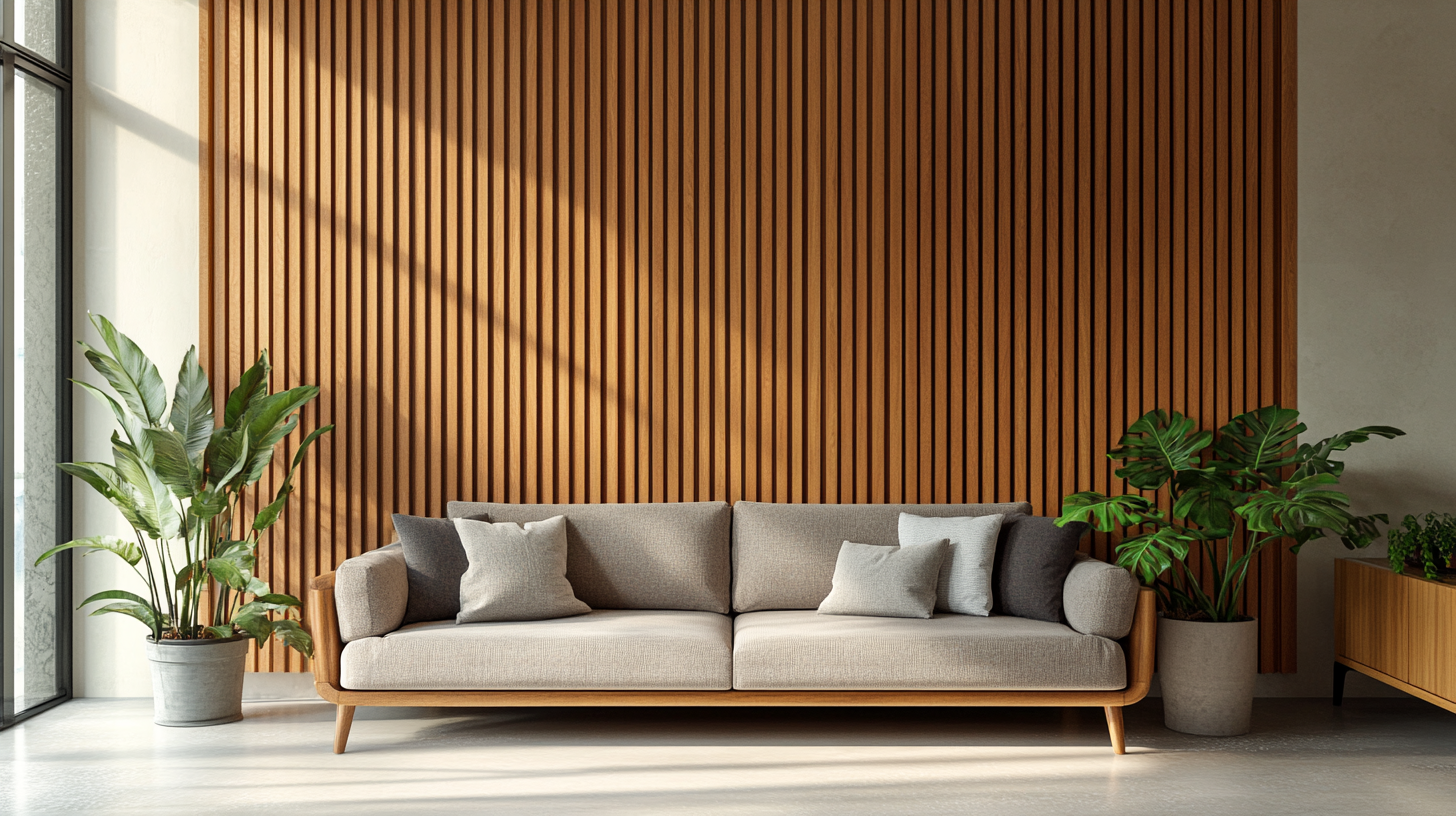
Acoustic wall panels are decorative panels that also absorb sound, so they upgrade how a wall looks while cutting echo in the room. The most popular ideas include warm wood slat panels, soft PET felt panels, fabric-wrapped panels, and sculptural 3D designs, used either as a full wall or a single accent.
Below are ideas organized by panel type, by room, and by style - plus a clear look at what these panels actually do for sound.
Types of Acoustic Wall Panels
Acoustic wall panels come in several materials and finishes that differ in both appearance and the amount of sound they absorb. These are the main types to choose from.
Wood Slat (Slat Wood) Panels
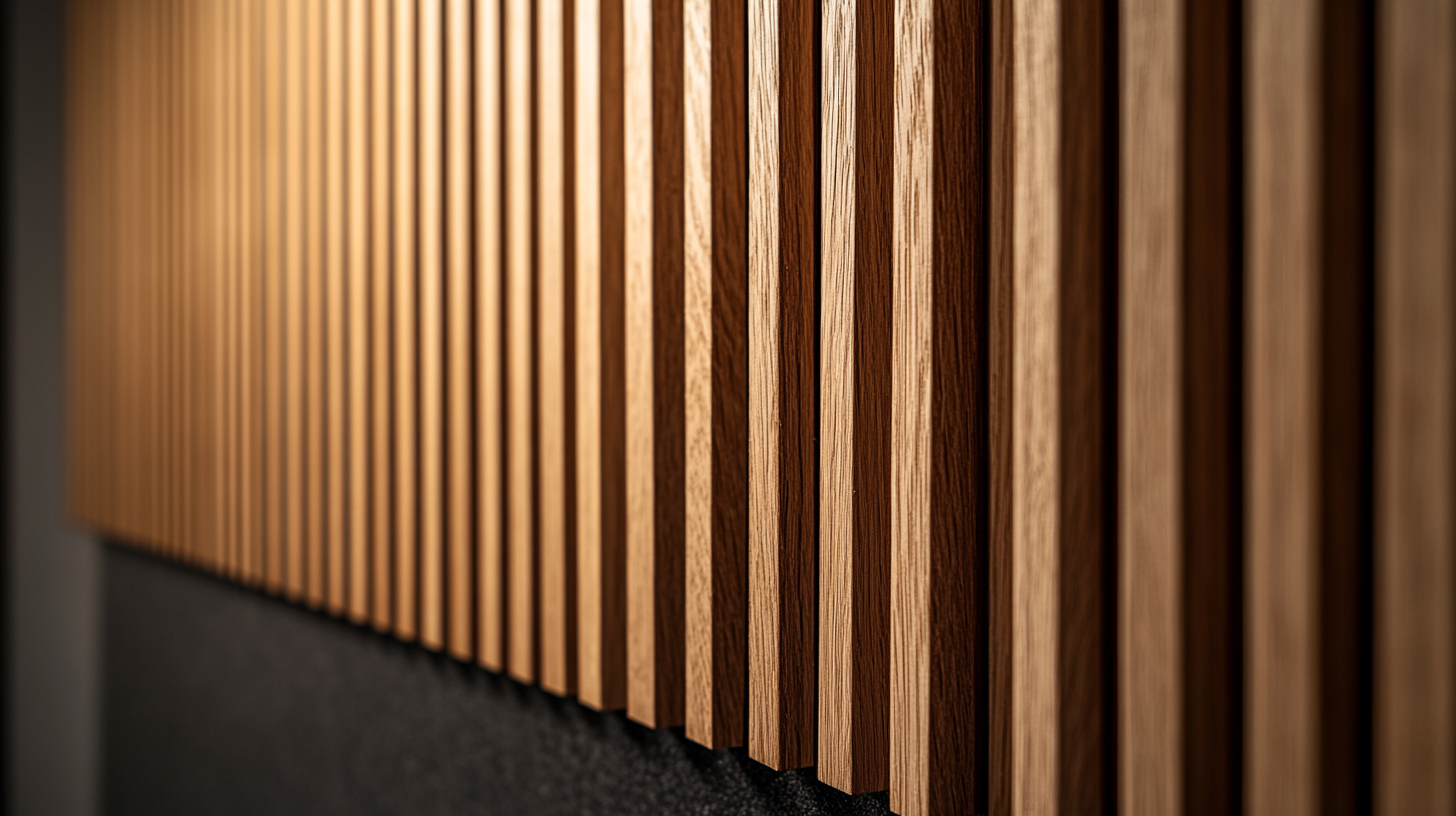
Wood slat panels are vertical wood strips mounted over a dark acoustic felt backing, giving a warm, linear, modern look. They are the most popular acoustic paneling idea right now because they read as a design feature rather than a sound treatment.
The felt backing absorbs sound, while the wood adds warmth and texture, making them a strong fit for living rooms, offices, and feature walls.
PET Felt Panels
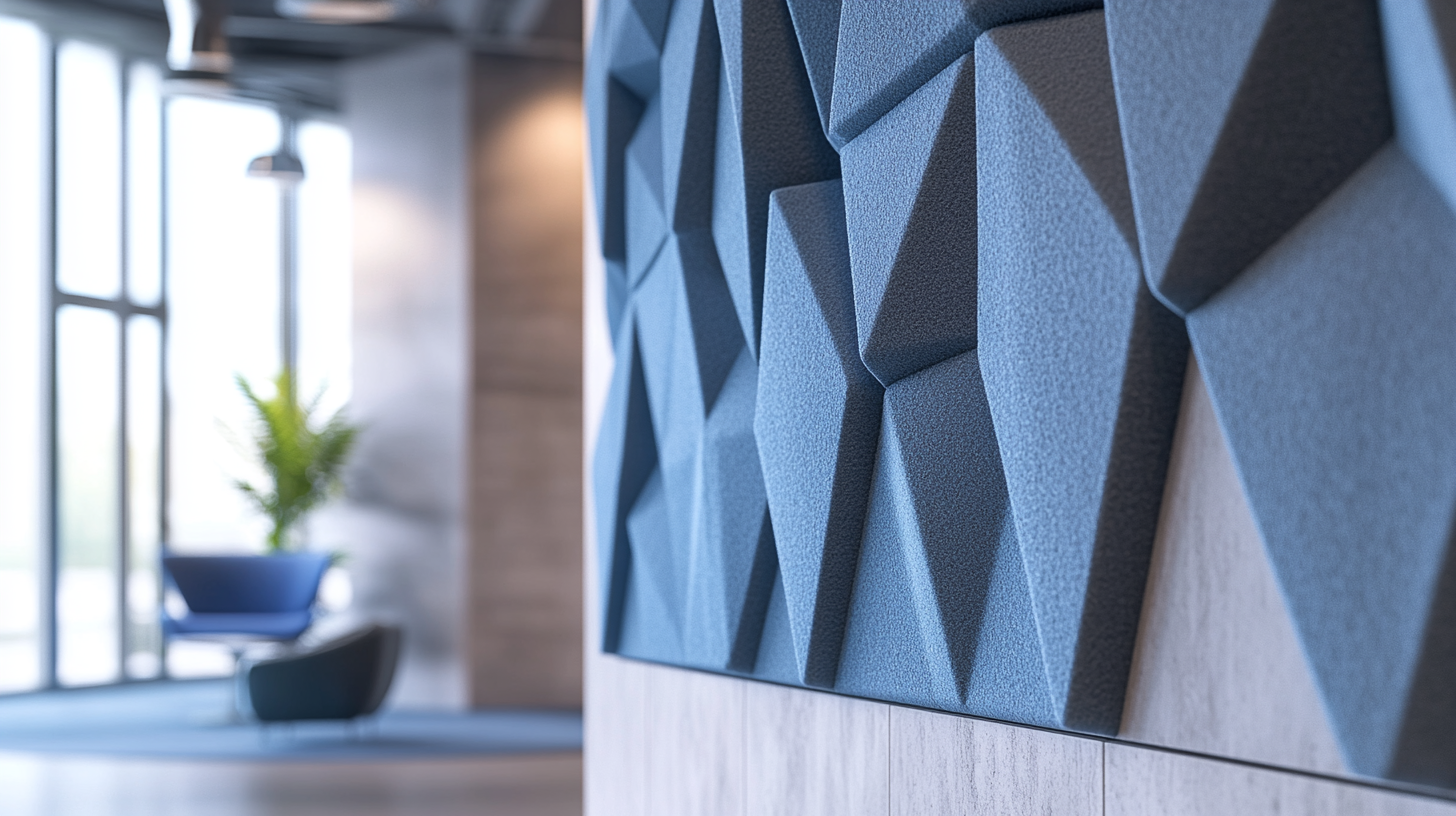
PET felt panels are made from compressed polyester fiber, often partly recycled, in a soft matte surface. They come in many colors and can be cut into geometric shapes or patterns.
Felt panels suit minimalist and contemporary interiors and double as pin-up or backdrop surfaces in offices and studios.
Fabric-Wrapped Panels
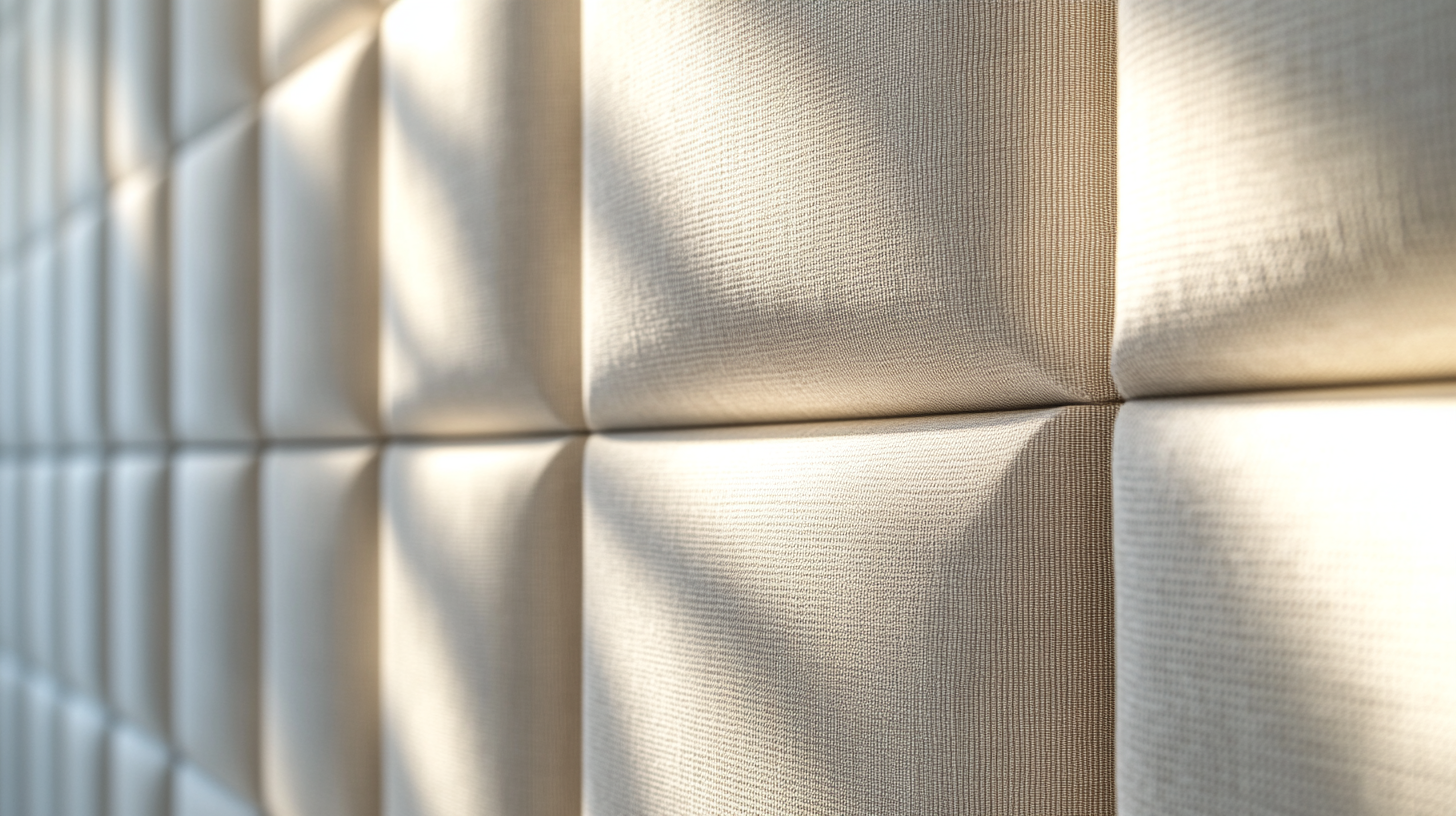
Fabric-wrapped panels feature a dense, absorbent core wrapped in decorative fabric, offering the highest sound absorption among common options. They come in a wide range of fabric colors to match any palette.
Their clean upholstered look works well in home theaters, conference rooms, and music rooms where strong absorption matters most.
Acoustic Foam Panels
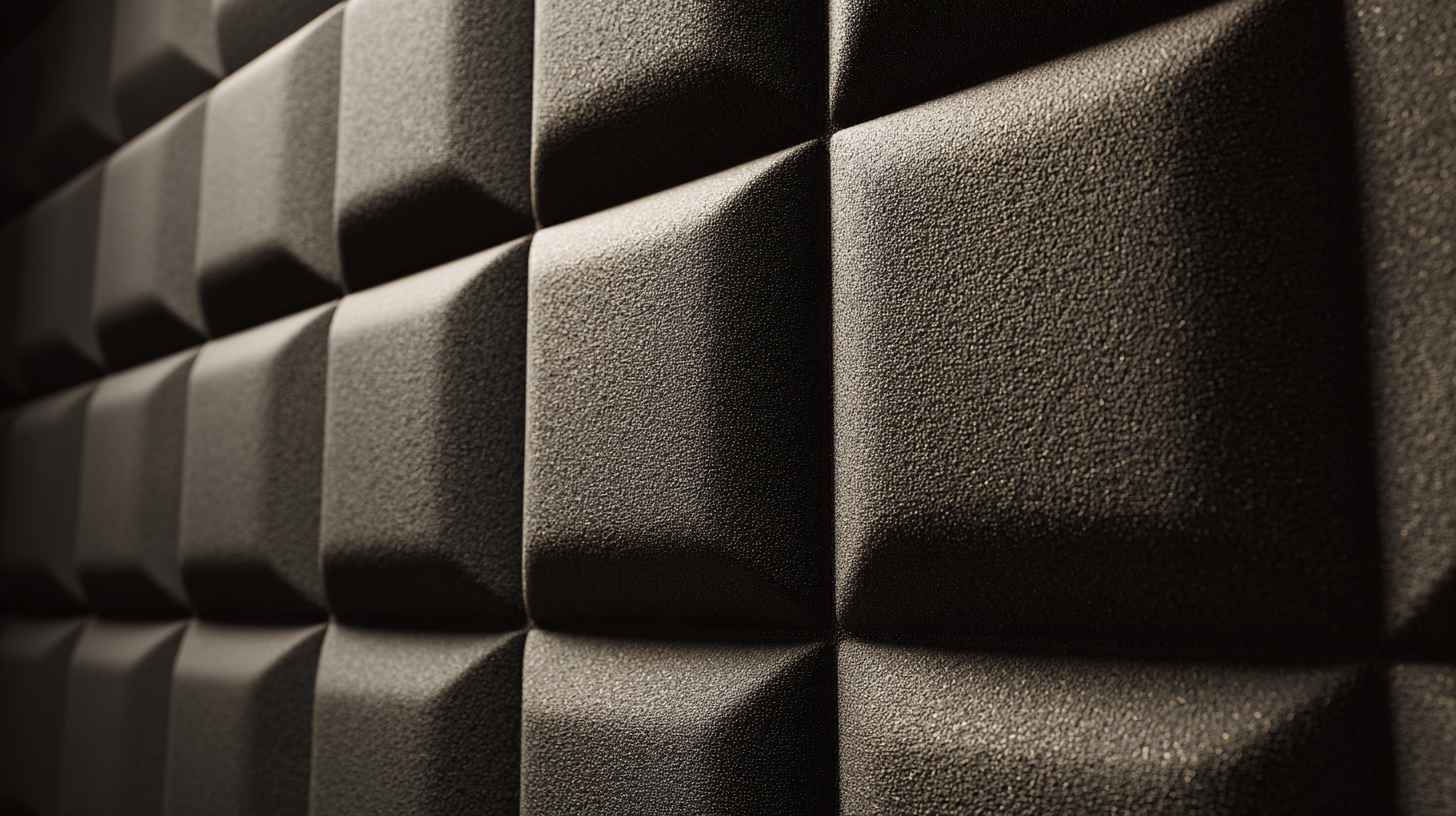
Acoustic foam panels are lightweight molded foam, now available in modern shapes like hexagons and beveled tiles rather than only the studio egg-crate. They are the budget-friendly, easy-to-install option.
Foam fits home studios, gaming rooms, and practice spaces where performance and price matter more than a premium finish.
3D Sculptural Panels

3D sculptural panels use raised geometric or wave forms to create depth and shadow on the wall. They turn sound treatment into a bold architectural statement.
These panels make strong accent walls in entryways, lobbies, and feature areas where visual impact is the goal.
Perforated Wood Panels
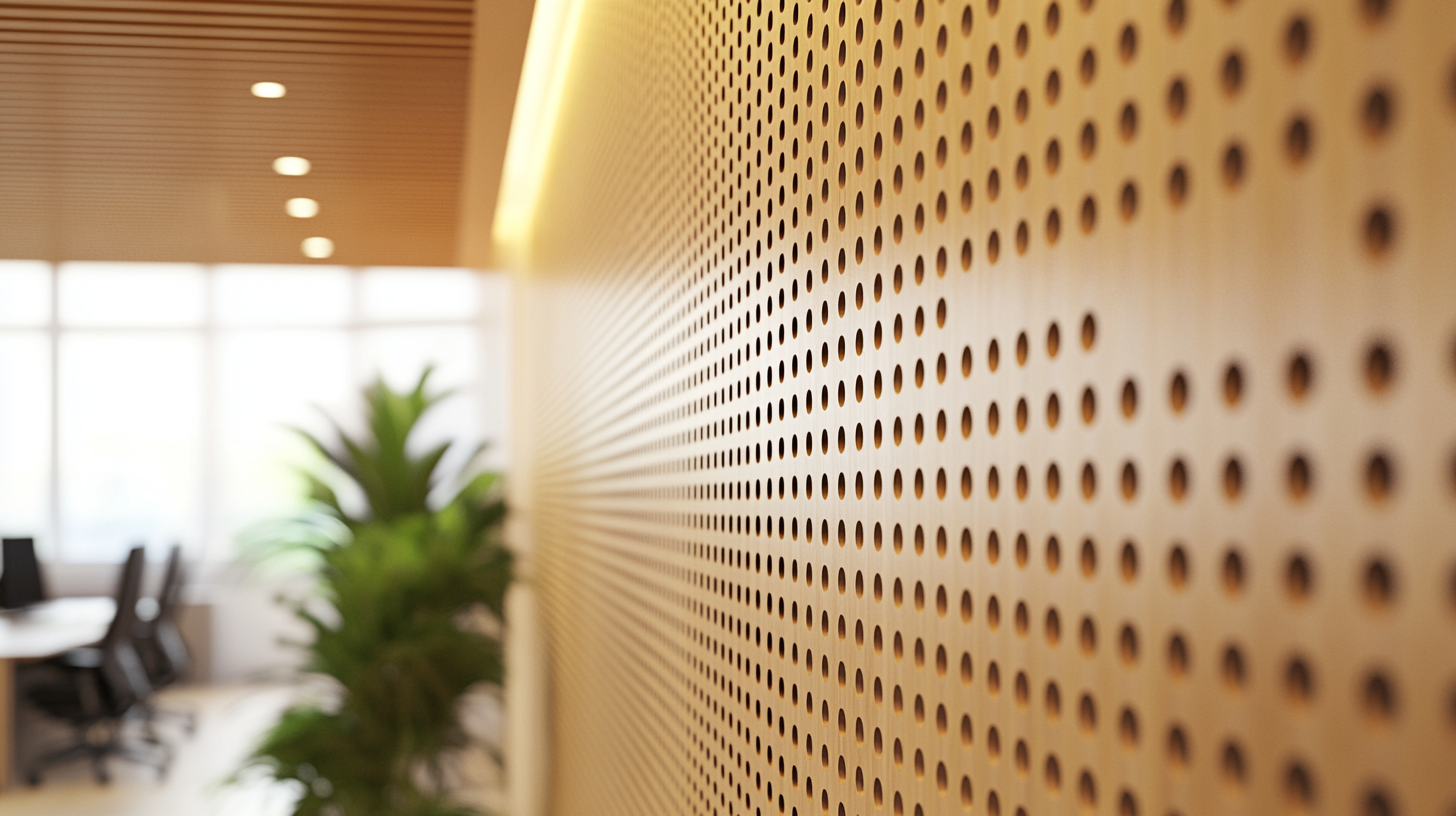
Perforated wood panels are solid wood or veneer sheets with drilled holes or grooves backed by absorptive material. They give a refined, built-in look closer to architectural millwork.
They suit upscale offices, libraries, and media rooms that want acoustic control without an obviously "acoustic" appearance.
Acoustic Wall Paneling Ideas by Room
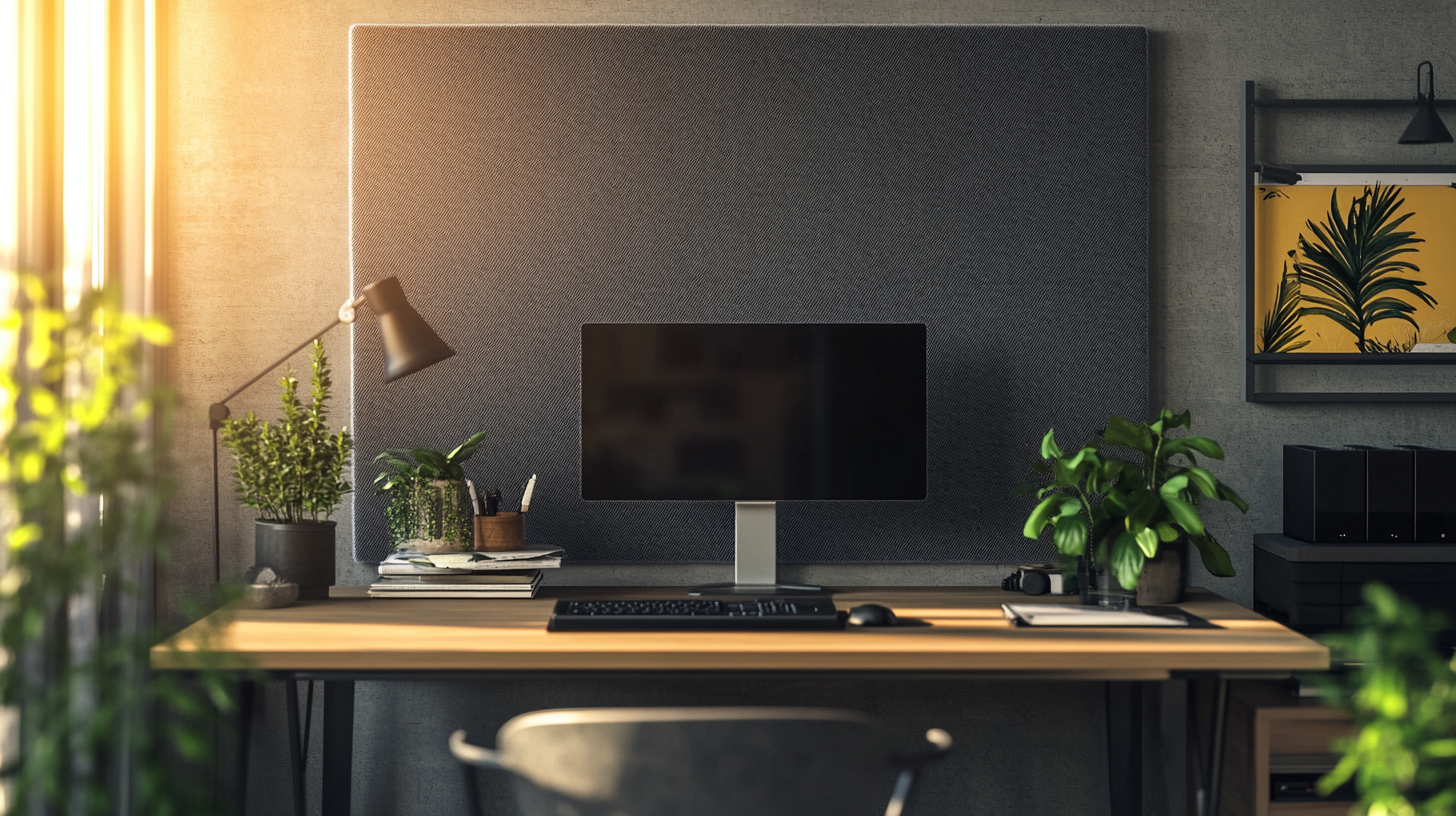
The best panel idea for a room depends on whether speech, music, or general comfort is the priority. Match the panel type to the space's use.
In a living room, wood slat panels behind the TV or sofa add warmth and tame echo from hard floors and large windows. They look intentional even to guests who don't know they're acoustic.
In a home office, PET felt panels behind the desk improve call clarity and can double as a pinboard or video-call backdrop. Color-blocked felt also adds personality to a plain room.
In a home theater or media room, fabric-wrapped panels deliver the strongest absorption for clean dialogue and immersive sound. Dark fabric keeps the room cinema-like.
In a bedroom, soft felt or fabric panels behind the headboard add a quiet, cozy feel and reduce reflections without dominating the space.
In a home studio, a mix of foam and fabric-wrapped panels at key reflection points gives the control needed for recording and mixing at a reasonable cost.
Acoustic Wall Paneling Ideas by Style
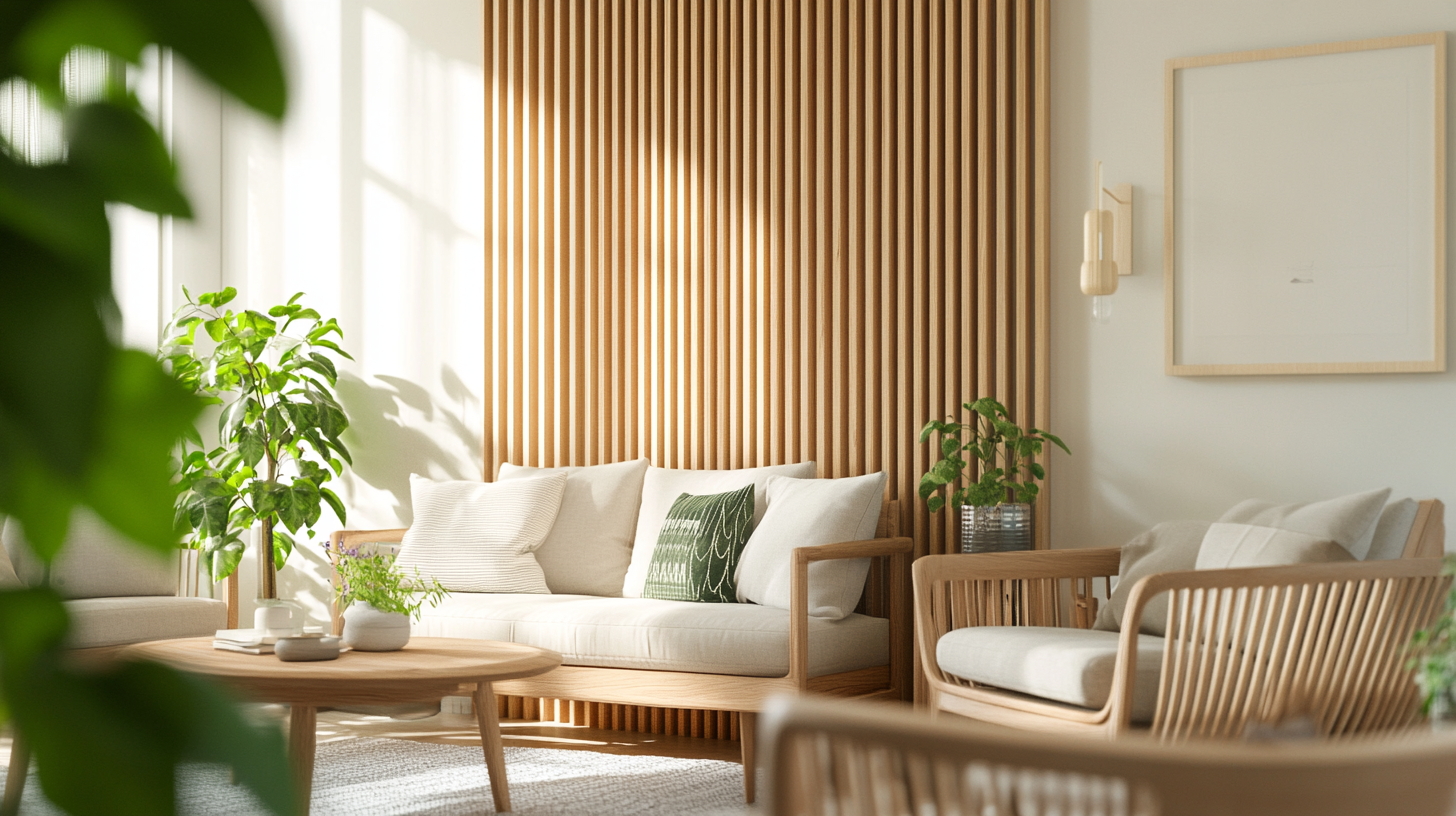
Acoustic panels are made for nearly every interior style, from warm, natural wood to clean, minimalist felt. The look you choose should flow with the rest of the room.
For a warm or Scandinavian look, wood slats or perforated wood panels bring natural texture and a calm, organic feel.
For a minimalist look, plain PET felt in a single neutral tone keeps the wall quiet and uncluttered.
For a bold accent, colored felt, or a 3D sculptural panel turns one wall into the room's focal point.
For full wall versus accent, a single accent wall is enough for light echo and a design statement, while full-wall coverage suits theaters, studios, and rooms that need serious sound control.
Do Acoustic Wall Panels Actually Work?
Yes - absorptive wall panels measurably reduce echo and reverberation in a room, which makes a space sound clearer and calmer. Their absorption is rated by the NRC (Noise Reduction Coefficient), where a higher number indicates greater sound absorption; fabric-wrapped, thicker panels usually score highest.
It is important to know what panels do not do. Acoustic panels control sound bouncing around inside a room; they do not block sound passing through walls between rooms. Decorative wall treatments like shiplap and board-and-batten, by contrast, add almost no absorption.
If your goal is to stop noise from traveling to or from another room - a noisy neighbor, a shared wall, footsteps overhead - that is soundproofing, which needs dense barrier materials such as mass-loaded vinyl, isolation clips, and sealed assemblies rather than absorptive panels. Many spaces benefit from both: panels for clarity inside the room, and soundproofing materials inside the wall for isolation.
Set realistic expectations. A few accent panels noticeably soften echo and improve how a room feels, while full, well-placed coverage is what delivers studio-level results.
Finishing Touches
Start with the panel type that fits your room's job - wood slat for warm living spaces, felt for offices, fabric-wrapped for theaters and studios - and decide between a single accent wall or full coverage based on how much echo you want to control. The panel idea you pick should look like it belongs in the room, not like an afterthought stuck on the wall.
Remember the one rule that separates acoustic paneling from purely decorative paneling: these panels make a room sound better from the inside, while keeping noise from passing between rooms is a separate soundproofing job.
Recent posts


