
Floor Soundproofing Materials
$6.25
$252.00
$4.00
$249.00
$0.00
$14.00
Floor soundproofing materials are the products built into a floor-ceiling assembly to reduce sound passing between levels: damping compound between subfloor layers, acoustical sealant at the perimeter and around penetrations, and resilient layers under the finished surface.
Two kinds of noise cross a floor, and they respond to different materials. Airborne noise, meaning conversation, television, and music from the level below, is reduced by adding mass and damping to the assembly. Impact noise, meaning footsteps, dropped objects, and chairs scraping, is reduced by resilient isolation between the finished floor and the structure.
Sound Pro Solutions supplies the damping and sealing side of that work: Green Glue Noiseproofing Compound and Green Glue Acoustical Sealant. Resilient underlayment and equipment isolation pads fall outside our current range, and the sections below say plainly where that matters and what to do instead.
Why Floors Need Soundproofing Materials
A floor-ceiling assembly connects two rooms through solid structure. Joists, subfloor, and ceiling board form a rigid path, and vibration entering at one end travels the whole way with very little loss. A bare assembly of joists, plywood, and drywall stops less sound than most people expect, which is why the level below hears a television at moderate volume.
Mass and damping address the airborne half of the problem. Adding a second layer of subfloor increases mass, and a damping compound sandwiched between the two layers converts vibration into small amounts of heat as the layers try to flex against each other. The compound prevents the assembly from ringing like a single stiff panel.
Air gaps undo the rest. Sound follows any opening it can find, and a floor assembly has plenty: the gap between the subfloor and the wall plate, plumbing and electrical penetrations, HVAC boots, and the joint where new flooring meets an existing partition. Sealing those openings costs a fraction of the mass layer and often changes the result more.
Types of Floor Soundproofing Materials
The category covers two functions in a floor assembly: damping between structural layers and sealing at every gap. Each product is described below with its coverage figures.
Damping Compound for Subfloor Assemblies
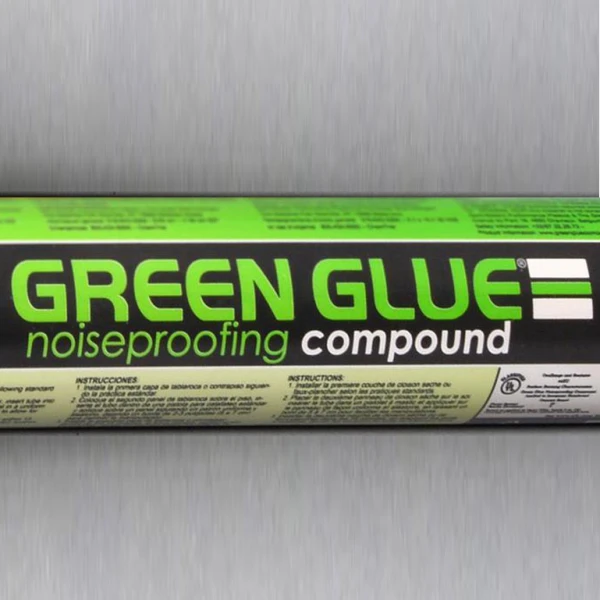
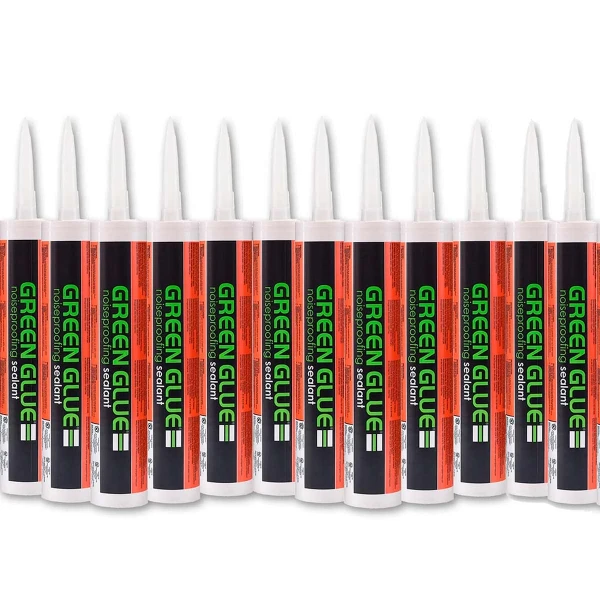
Green Glue Noiseproofing Compound is a viscoelastic damping compound applied between two layers of subfloor, drywall, or plywood. The material stays tacky permanently and never cures rigid the way construction adhesive does, which is what allows it to keep absorbing vibration for the life of the assembly.
Application follows a fixed rate: two tubes, or two gun dispenses, per 4x8 sheet, applied in a random pattern across the back of the second layer with a 3-inch border left clear at the edges. The second layer is then screwed down through the first, and the compound is sandwiched between them.
Three formats are available. The case of 12 tubes covers roughly 192 square feet at the recommended rate. The 5-gallon pail is equivalent to 23 tubes, or about 368 square feet, and is well-suited to larger areas where a bulk dispensing gun makes sense. Single 28-ounce tubes are ideal for small repairs and patches. Pricing and ship-out speed are listed on each product page. Full options are listed under Green Glue.
Acoustical Sealant for Perimeter and Penetrations
Green Glue Acoustical Sealant is an acoustic-grade caulk for the joints and cracks in soundproof floor, wall, and ceiling systems. Sound flanking through small openings is one of the most common reasons a finished assembly underperforms its design, and sealant closes those paths.
Each 28-ounce tube covers roughly 40 to 50 linear feet at a 3/8-inch bead and fits a quart-sized caulking gun. Application takes no training, since it goes on like standard caulk. The material dries fully in 48 hours, cleans up with soap and water while wet, and takes paint once dry. Tube and case options are listed under Acoustical Sealants.
On a floor, the sealant belongs at the subfloor perimeter where it meets wall framing, around every pipe and conduit passing through the deck, at HVAC boot openings, and along seams between subfloor sheets in a two-layer build.
What This Category Does Not Cover
Resilient underlayment and isolation pads are the materials that address impact noise, and neither is currently in our catalog. Rubber or cork underlayment is installed between the subfloor and the finished surface; isolation pads and mats sit on top of the finished floor under gym equipment, treadmills, or golf simulators.
If footsteps from above are the complaint, those products are what the job needs, and the damping and sealing materials on this page will not substitute for them. Two honest alternatives exist: source underlayment from a flooring supplier and use our sealant and compound for the rest of the assembly, or treat the ceiling below instead, which the next section covers.
Building a Soundproof Floor Assembly
Materials perform according to where they sit in the assembly and the order in which they go down. The sequence below applies to new construction and to renovations where the subfloor is exposed.
Layer Order From Joists Up
A damped two-layer subfloor follows a consistent build: joists; insulation in the cavity if the cavity is open; the first subfloor layer fastened to the joists; damping compound applied to the back of the second layer; the second subfloor layer screwed down through the first; then underlayment and finished flooring.
Each layer does one job. The first layer provides structure; the compound absorbs flex between layers; the second layer adds mass; and the underlayment handles impact.
Sealing the Perimeter First
Run a bead of acoustical sealant where the subfloor meets wall framing before the finished floor goes down, and again around every penetration through the deck. Sealing at this stage takes minutes; reaching the same joints after the flooring is installed usually requires removing the flooring.
Leave a small expansion gap at the perimeter and fill it with sealant rather than closing it with rigid material. A rigid connection at the edge gives vibration a direct route into the wall, which defeats the work done in the middle of the floor.
Where Damping Compound Goes
The compound belongs between two rigid layers and nowhere else. Applied to a single layer with nothing above it, it does nothing at all, since damping depends on two surfaces shearing against each other.
Apply the compound to the back of the second layer in a random pattern, then fasten that layer down through the first while the compound is still fresh. No specific pattern is required, and screw spacing follows normal subfloor practice.
Common Mistakes
Four errors account for most disappointing results:
- Skipping penetrations for pipes, conduit, and HVAC boots
- Applying damping compound under a single layer with no second layer above it
- Rigidly fastening the finished floor to the wall base, which reconnects the assembly at the edges
Floor Side or Ceiling Side
Most floor-ceiling assemblies can be treated from either direction, and the right side depends on the type of noise and on which surface you are willing to open up.
When to Work From the Floor Side
Floor-side treatment makes sense during new construction, during a renovation that already involves replacing flooring, and whenever the subfloor is exposed for other reasons. It also handles impact noise, which can only be addressed by putting resilience between footsteps and the structure.
When to Work From the Ceiling Side
For airborne noise from the level below, treating the ceiling is usually the more effective and less disruptive option, and it avoids tearing out a finished floor. Our range covers this side completely.
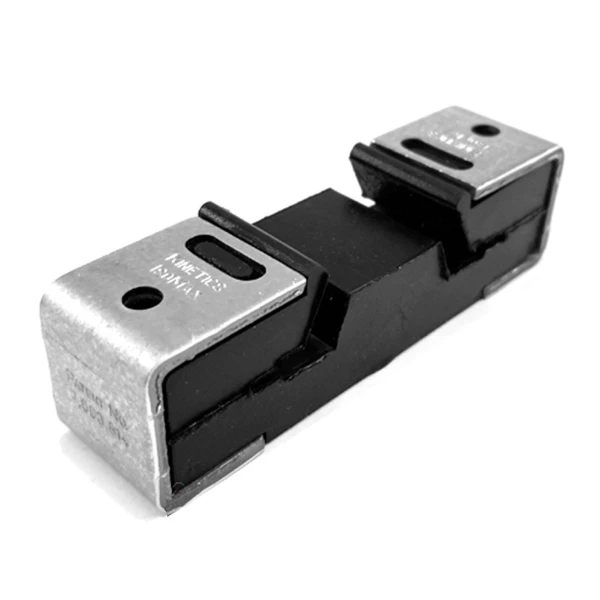
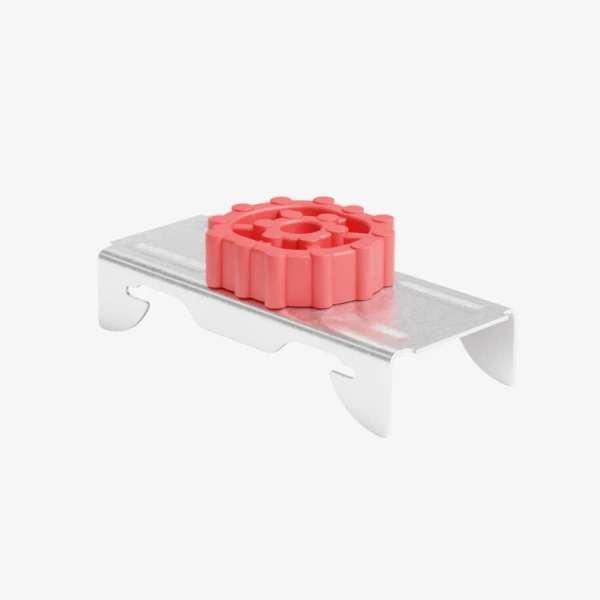
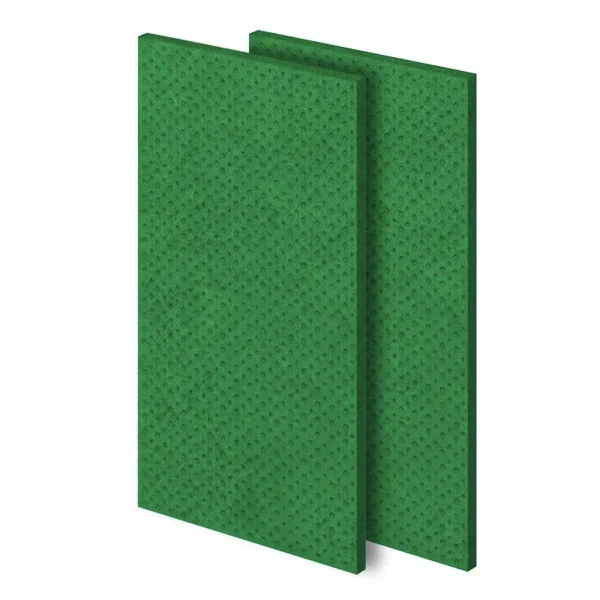
SONOpan installs behind ceiling drywall and adds broadband absorption within the assembly. Kinetics IsoMax clips and Resilimount A237R clips decouple the ceiling board from the joists, preventing vibration from passing directly into it. Green Glue between two layers of ceiling drywall works exactly as it does in a subfloor. The full range sits under Isolation Clips.
Treating Both Sides
Projects with the highest requirements, such as studios and home theaters below occupied rooms, treat both surfaces: a damped, sealed subfloor above and a decoupled, damped ceiling below. Doing both is worth the cost only when the target is genuine isolation rather than noticeable improvement.
Professional Applications for Floor Soundproofing Materials
The settings below account for most projects and indicate where our materials fit and where they do not.
Multifamily and Condo Buildings
Complaints between stacked units drive most multifamily work, and footsteps account for more of them than any other source. Damping the subfloor and sealing every penetration handles the airborne half of the problem.
Home Theaters and Media Rooms
Low-frequency energy from a subwoofer travels through structure more readily than anything else in a home, and it reaches rooms far from the theater. A damped two-layer subfloor and a fully sealed perimeter both reduce downward leakage from the room.
Recording Studios
Studios built above occupied space require the floor to be treated during construction rather than afterward. Damping compound between subfloor layers, sealant at every joint and penetration, and a decoupled ceiling below form the standard approach.
Offices Above Retail
Mechanical noise, music, and foot traffic move both directions across a commercial floor plate. Sealing penetrations matters more here than in residential work, since commercial decks carry far more conduit, plumbing, and ductwork through them.
Home Gyms and Equipment Rooms
Dropped weights and treadmill impact are structural events that require isolation directly under the equipment. Rubber isolation mats and pads are the correct products, and we do not stock them. Our materials contribute only to the airborne side of a gym installation.
Advantages of Floor Soundproofing Materials
Damping and sealing are the least expensive interventions in a floor assembly and the ones most often skipped. The specific advantages follow.
Damping Works Where Mass Alone Falls Short
Doubling the subfloor thickness adds mass, and mass alone makes the two layers act as one stiff panel that transmits vibration efficiently. A damping layer between them breaks that behavior, which is why a damped two-layer floor outperforms an undamped one of the same total thickness.
Two Materials Instead of a Rebuilt Assembly
Damping and sealing add two steps to a floor that is being built or replaced anyway. Neither requires thickening the assembly, raising the finished floor height, or changing the joist structure, which is what heavier isolation approaches demand.
Compatible With Standard Construction
Neither product changes how a floor is built. The compound goes on with a standard caulking gun before the second subfloor layer is fastened; the sealant goes on like ordinary caulk, and no specialty trade or tooling is required. A carpenter follows the same sequence with two extra steps.
Part of a Complete Isolation System
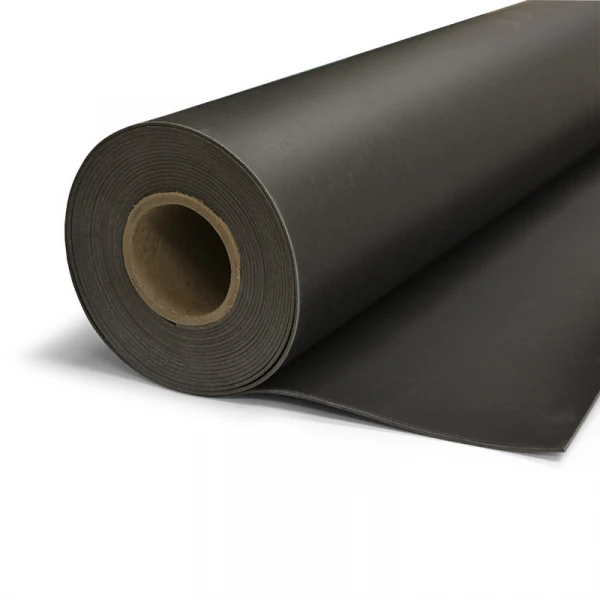
Floor materials work alongside the rest of the isolation range. Mass loaded vinyl and Green Glue treat the partitions, isolation clips decouple walls and ceilings, and door seals close the operable opening. A room leaks through its weakest surface, so treating the floor while leaving a hollow-core door unsealed produces a limited result.
Sound Pro Solutions Coverage Areas
Sound Pro Solutions supplies floor soundproofing materials nationwide from its facility in Long Island City, New York, with local options for the NYC metro area.
New York City and the Tri-State Area
Customers in Manhattan, Brooklyn, Queens, the Bronx, Staten Island, and the surrounding tri-state region qualify for free pickup and delivery on orders over $150 in NYC. Local customers can schedule a consultation, and for larger projects, our team can review the assembly on site and calculate quantities with you. We supply the materials and the specification guidance; installation is handled by you or your contractor.
Nationwide Shipping
Orders ship via FedEx throughout the continental United States, and every package is insured for the full order value with insurance included in the shipping cost. Ship-out speed appears on each product page and varies by format and item.
Send square footage, assembly details, and the type of noise you are dealing with, and we will calculate quantities and confirm the approach before you order.
FAQs
Frequently Asked Questions. Here are some common questions about Acoustic panels.
/01What is the difference between airborne and impact noise on a floor?
Airborne noise travels through the air before hitting the assembly: voices, television, music. Impact noise starts as a physical strike on the floor: footsteps, dropped objects, furniture. Mass and damping reduce the first; resilient isolation reduces the second.
/01Can I soundproof a floor without removing the existing flooring?
Not effectively from above. A damping compound must sit between two structural layers, which means the subfloor must be accessible. When the floor has to stay, treat the ceiling below with isolation clips, SONOpan, and damping compound between drywall layers.
/01Should I treat the floor or the ceiling?
For airborne noise from below, the ceiling side is usually more effective and far less disruptive. For impact noise from above, the floor side is the only place resilience can be introduced. Projects with strict requirements treat both.
/01How much Green Glue do I need for my floor?
Two tubes per 4x8 sheet of subfloor. A case of 12 tubes covers roughly 192 square feet at that rate, and a 5-gallon pail covers about 368 square feet. Send your square footage and we will confirm the quantity.
/01Do I need acoustical sealant if I am already using damping compound?
Yes. The compound handles vibration through the assembly, and the sealant closes the air gaps around it. An unsealed perimeter gap allows sound to bypass the treated area entirely, erasing much of the benefit.
/01Do you sell floor underlayment?
Not currently. Resilient underlayment and equipment isolation pads are the products for impact noise, and our floor range covers damping and sealing. If your project needs both, we can advise on the assembly and supply the damping and sealing materials.