
Heavy Duty Door Seals
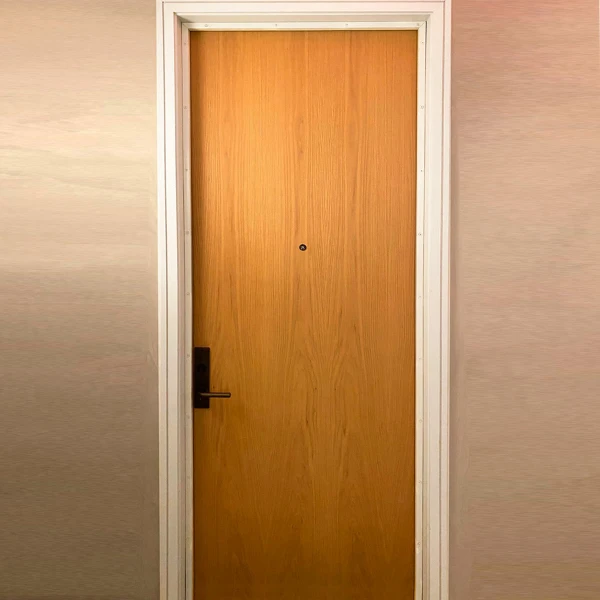
$125.00
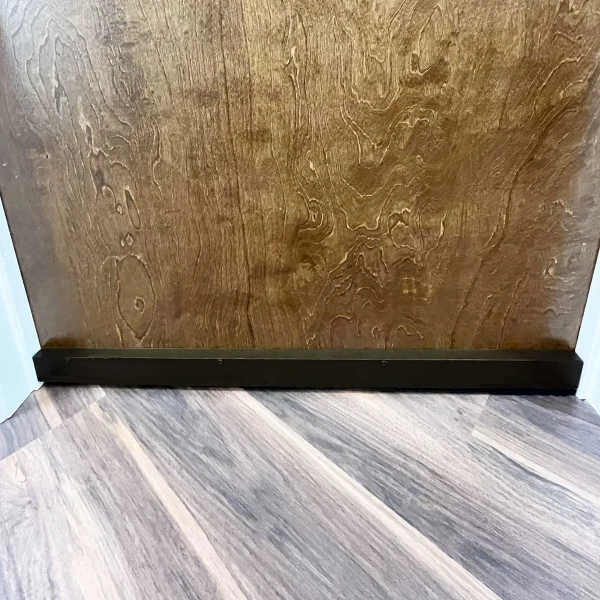
$149.00
A heavy duty door seal combines an extruded aluminum housing with a dense compression insert and mounts to the door or frame with screws. The rigid housing maintains consistent pressure on the insert along the full length of the gap, which self-adhesive foam tape cannot do once it flattens or peels. In commercial door hardware, the same products are also called heavy duty weatherstripping or door gasketing.
This category covers two products that completely seal a swing door: the Heavy Duty Adjustable Door Seal for the sides and top of the frame, from $125, and the Automatic Door Bottom Seal for the gap at the floor, from $149. Both are made-to-order in your length and finish and ship out in 3 to 4 business days.
Why Spaces Need Heavy Duty Door Seals
Adhesive weatherstripping loses compression within months. Foam and hollow vinyl tape flatten permanently under daily door pressure; the adhesive lets go in humid conditions, and the gap it covered reopens. A door that has to block sound or survive commercial traffic needs hardware that screws on, holds its shape, and can be re-adjusted instead of replaced.
The gap around a door carries more sound than the door itself. Airborne noise follows the easiest opening it can find, and a 1/8-inch perimeter gap already undermines the isolation of the whole assembly. Conversations, hallway footsteps, and HVAC rumble pass through unsealed edges no matter how solid the door leaf or the wall around it.
Sealing works as a system, which explains why this category contains two products. Closing the sides and top while leaving a half-inch floor gap produces a result close to no seal at all, since the remaining opening carries the sound that the sealed edges no longer do. Plan on the perimeter seal and the door bottom together for any door where isolation matters.
Types of Heavy Duty Door Seals
The two seal types divide the door by geometry: one covers the jambs and head of the frame, the other covers the threshold gap. Each is described below with its specifications.
Heavy Duty Adjustable Door Seal (Perimeter)
The adjustable perimeter seal mounts on the face of the frame along both sides and the top of the door. Its aluminum housing carries a double neoprene rubber insert that the closing door compresses against, and slotted mounting lets you fine-tune the pressure at every point. That adjustment solves the two most common field problems: frames that sit slightly out of square and older doors that have settled unevenly in the opening. Lengths run from 24 to 96 inches in white, chrome, or black, priced from $125.
Automatic Door Bottom Seal, Heavy-Duty
The automatic door bottom closes the floor gap only while the door is closed. As the door shuts, a plunger contacts the strike jamb and drives the seal insert down against the floor; when the door opens, the mechanism retracts the insert so nothing drags across carpet or hardwood. The unit surface-mounts to the face of the door, measures 2 inches tall by 1 inch deep, and comes in lengths from 24 to 48 inches with white, chrome, gold, dark bronze, and black finishes, priced from $149.
Materials and Construction of Heavy Duty Door Seals
Every component in these seals is chosen for repeated compression over years of daily cycles. The sections below cover the construction details that separate this hardware from consumer-grade tape.
Aluminum Housings
Both seals are built on extruded aluminum housings. The metal profile keeps the insert straight and evenly compressed along the entire door edge, resists warping in humid conditions, and gives the hardware a finished architectural look on the frame. Finish options include white, chrome, and black across the range, with gold and dark bronze also available on the automatic door bottom.
Double Neoprene and Rubber Seal Inserts
The perimeter seal uses a double neoprene rubber insert, a dense two-part profile that recovers its shape after each compression cycle and stays flexible through temperature swings. The automatic door bottom carries a resilient rubber or vinyl insert engineered for the vertical drop-and-retract motion. In both cases, the insert does the sealing while the aluminum housing maintains its position and pressure.
Surface-Mount, Screw-In Installation
Both products attach to the existing door or frame with screws, and mounting hardware ships in the box with instructions. Surface mounting requires no routing, no kerf cutting, and no door replacement, and the seals install on wood, metal, and fiberglass doors alike. Because nothing is glued, the hardware can be removed, repositioned, or re-adjusted years later if the building settles or the door is refinished.
Made-to-Order Sizing
Each seal is produced to the length you order: 24 to 96 inches for the perimeter seal and 24 to 48 inches for the automatic door bottom. Made-to-order production means the housing arrives sized for your door rather than cut down from a generic blank, and orders ship out in 3 to 4 business days. Measure your door width and the frame legs before ordering, and contact us if your opening falls between standard lengths.
Professional Applications for Heavy Duty Door Seals
Heavy duty door seals appear wherever a door has to deliver quiet, privacy, or climate separation under regular use. The settings below account for most installations.
Recording Studios and Podcast Rooms
The studio door carries the isolation burden of the entire room, and an automatic door bottom paired with the adjustable perimeter seal is the baseline treatment. Sealed edges keep street and household noise out of takes and keep late sessions from reaching neighbors. Wall panels and bass traps shape the sound inside the room; the door seal controls what crosses its boundary.
Offices and Conference Rooms
Speech privacy drives most workplace installations. A sealed office or meeting room door keeps confidential conversations inside and open-plan chatter outside, and commercial steel frames, which are rarely perfectly square, benefit directly from the adjustable compression of the perimeter seal.
Hotels and Multifamily Buildings
Corridor noise, elevator traffic, and light bleeding under guest room doors all trace back to unsealed gaps. Retrofitting perimeter seals and automatic bottoms improves sleep quality without replacing the doors, which matters in older buildings where original doors stay for architectural or budget reasons.
Healthcare and Education
Treatment rooms, counseling offices, classrooms, and testing areas need doors that protect concentration and conversation. Sealed doors reduce noise transfer between rooms and corridors and support the controlled environment these spaces require, while the automatic bottom retract mechanism keeps daily operation effortless for staff and students.
High-Traffic Commercial Entrances
Doors that cycle hundreds of times a day destroy adhesive weatherstripping in weeks. Screw-mounted aluminum hardware withstands constant use, and when compression eventually needs a tune-up, the adjustable design restores the fit without a replacement purchase.
Advantages of Heavy Duty Door Seals
Compared with consumer weatherstripping and with heavier construction work, this hardware occupies a practical middle ground: a permanent upgrade at retrofit effort. The specific advantages follow.
Compression That Lasts and Adjusts
Neoprene and rubber inserts in rigid housings hold their sealing pressure through years of cycles, and the slotted mounting on the perimeter seal lets you restore a perfect fit whenever the door or building shifts. Tape offers a single season of service and takes paint off the frame when it goes.
Retrofit on Existing Doors
Both seals install on the door and frame you already have, on wood, metal, or fiberglass, with a drill and the included hardware. A homeowner can complete one door in an afternoon, and a facilities team can work through a corridor of offices without a carpenter or a single door replacement.
Sound, Drafts, Dust, and Light in One Upgrade
Closing the door gaps addresses every leak at once. The same seal that blocks conversation also stops winter drafts, keeps conditioned air inside, shuts out hallway light at night, and keeps dust and odors where they started, which lowers HVAC load along the way.
Part of a Complete Isolation System
Door seals integrate with the rest of the sound isolation catalog: Green Glue and mass-loaded vinyl add mass and damping to the partition, acoustical sealant closes construction gaps, and the door hardware closes the operable opening. Treating the door and the wall as one assembly is what produces a result you can hear.
Sound Pro Solutions Coverage Areas
Sound Pro Solutions supplies heavy duty door seals nationwide from its facility in Long Island City, New York, with local options for the NYC metro area.
New York City and the Tri-State Area
Customers in the five boroughs and the surrounding tri-state region can order with free pickup and delivery in NYC on orders over $150. Local customers can also schedule a consultation, and for larger projects, our team can review the doors on site to recommend lengths and configurations. We supply the hardware and the guidance; installation is handled by you or your contractor.
Nationwide Shipping
Orders ship via FedEx throughout the continental United States, and every package is insured for the full order value with insurance included in the shipping cost. Both seals are made-to-order and ship out in 3 to 4 business days after payment confirmation. Remote consultations by phone or email cover measurement, length selection, and finish matching for any project outside our local area.
FAQs
Frequently Asked Questions. Here are some common questions about Acoustic panels.
/01What makes a door seal "heavy duty"?
Construction defines the class: an extruded aluminum housing, a dense neoprene or rubber insert, and screw mounting instead of adhesive. The housing maintains even compression across the entire gap and withstands years of daily cycles, while adhesive foam tape flattens and peels within months.
/01What's the difference between heavy duty door seals and regular weatherstripping?
Regular weatherstripping refers to soft self-adhesive tape used to seal against drafts, sold in rolls and replaced every season or two. Heavy duty seals are screw-mounted architectural hardware with adjustable compression, built to block sound as well as air and to stay serviceable for years.
/01Is this the same as a garage door seal kit?
No. Garage kits are EPDM rubber profiles in floor-level tracks made for sectional overhead doors. The seals in this category are architectural hardware for swing doors, including entry, office, studio, and interior doors in homes and commercial buildings.
/01Do I need both the perimeter seal and the door bottom?
Yes, for a door that has to block sound. Noise passes through any open gap, so sealing three edges while leaving the floor gap open erodes most of the benefit. The perimeter seal and the automatic door bottom cover all four edges as one system.
/01Will the automatic door bottom drag on the floor?
No. The seal drops only after the door closes, driven by a plunger that contacts the frame, and it retracts the moment the door starts to open. Carpet, hardwood, and tile stay untouched during normal operation.
/01Does it block sound or only drafts?
Both. The double neoprene profile closes the perimeter gap, cutting noise transmission along with air infiltration, dust, and pest entry. For full soundproofing, pair it with an automatic door bottom so the floor gap is sealed as well.
/01Which doors does it fit?
It works on wood, metal, and fiberglass doors, and suits both interior and exterior openings in residential and commercial spaces.
/01How is it different from a fixed door gasket?
A fixed gasket is locked in place at installation. This seal is adjustable: the neoprene is set to contact the door evenly and can be re-tuned later if the door or frame shifts over time.
/01What tools do I need to install it?
A tape measure, a screwdriver or drill for the included mounting hardware, and a saw if any trimming is needed. A small bead of caulk is recommended along the housing for a tighter seal.
/01What finishes are available?
Chrome, black and white, so the aluminum casing can match the door and surrounding trim.