
Acoustic Panels for Music Room

$48.00
$48.00
$105.00
$225.00
$38.00
$79.00
$55.00
$85.00
Sound Pro Solutions offers a full range of acoustic panels designed specifically for music rooms - from home practice spaces to professional rehearsal rooms. Every panel in our lineup meets certified NRC performance standards, so you get measurable sound absorption, not just a decorative wall treatment.
Why Music Rooms Need Acoustic Panels
Untreated rooms create acoustic problems that affect both sound quality and neighbor relations. Hard surfaces - drywall, hardwood floors, bare ceilings - reflect sound in ways that make a room difficult to play in and loud to everyone around it. Acoustic panels address these issues at the source by absorbing sound energy before it has a chance to bounce, build up, or travel.
Controlling Echo and Reverberation
Every parallel surface in a room creates reflections. In a music room, those reflections stack up fast - especially in the mid and high frequency range - producing a muddy, reverberant sound that makes it hard to hear what you're actually playing. Acoustic panels placed at key reflection points reduce that buildup, tightening the sound and making the room more controllable.
Improving Sound Clarity for Practice and Recording
A room with excessive reverb masks detail. Notes blur into each other, dynamics become harder to distinguish, and recordings pick up room noise alongside the instrument. Adding sound panels to a music room brings the reverb time down to a range where the instrument sounds natural and defined - whether you're practicing, teaching, or tracking audio.
Protecting the Room from Sound Bleed
Music rooms generate high sound pressure levels, particularly with drums, amplified instruments, or multiple players. While acoustic panels are not a substitute for structural soundproofing, they reduce the amount of sound energy bouncing around the room, which lowers overall volume and limits how much sound reaches adjacent walls, floors, and ceilings.
Types of Acoustic Panels for Music Rooms
Sound Pro Solutions carries four main panel types suited to music room applications. Each differs in construction, appearance, and performance profile - allowing you to match the panel to the room's acoustic needs, interior style, and budget.
Fabric-Wrapped Acoustic Panels
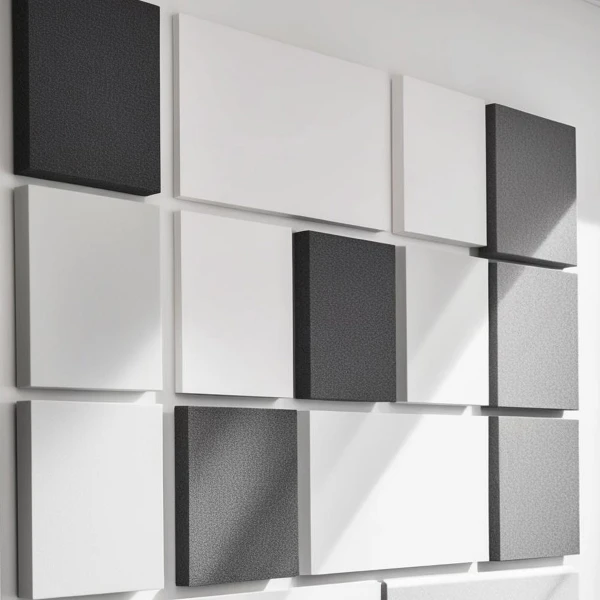
Fabric-wrapped panels are the standard solution for music room acoustic treatment. A high-density fiberglass or mineral wool core is stretched with acoustically transparent fabric, giving you a clean, finished look alongside consistent broadband absorption. Available with inner frames or as custom-cut sizes, these panels perform well across the frequency range most relevant to instruments and vocals.
Frameless Acoustic Panels
Frameless panels offer the same absorption performance as framed versions with a lower-profile, more minimal appearance. They mount flush against the wall, making them a practical option for smaller music rooms where a bulky frame would feel intrusive. The exposed fabric edge gives a contemporary finish that works well in modern home interiors.
Wood Acoustic Panels
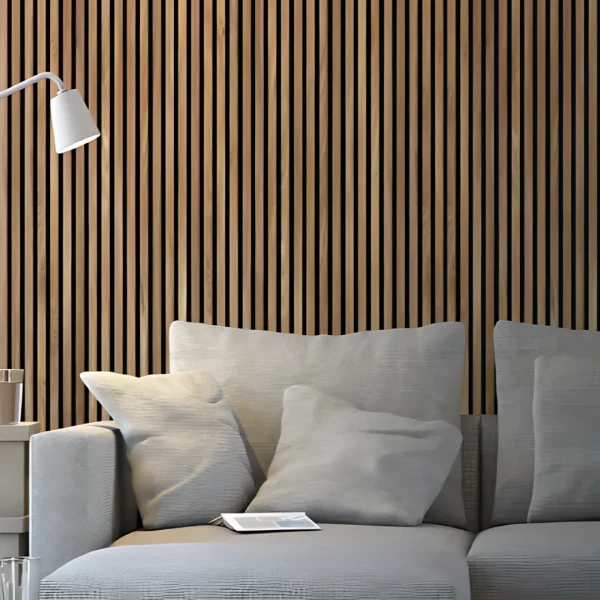
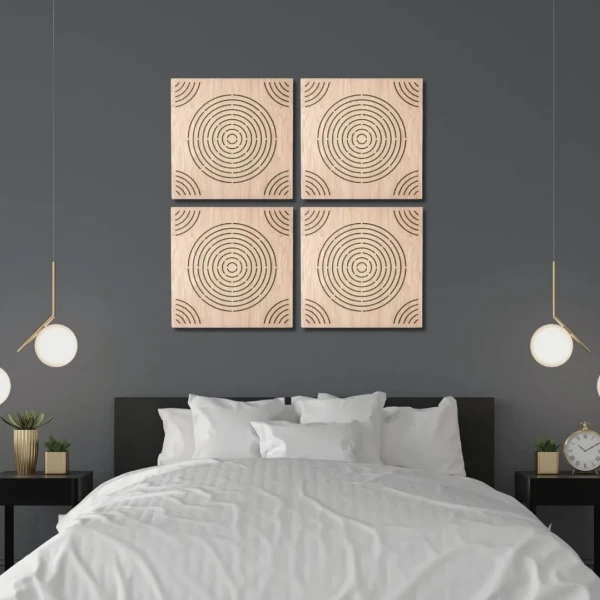
Wood acoustic panels combine absorption with diffusion. The slatted or perforated wood surface scatters some sound energy while the backing absorbs it, which produces a more balanced acoustic response - particularly useful in larger music rooms or recording spaces where full absorption would make the room sound too dead. Wood panels also serve as a finished architectural element, making them common in teaching studios and professional rehearsal spaces.
Acoustic Curtains
Acoustic curtains provide a flexible, non-permanent option for music rooms where wall mounting isn't possible or practical. Hung on standard curtain tracks, they can be opened or closed to adjust the level of absorption in the room. While they don't match the performance of rigid panels at equal thickness, they make a meaningful difference in rooms where other treatment options are limited - including rental spaces.
Materials and Construction of Music Room Acoustic Panels
Panel performance depends on what's inside and how it's built. Understanding the core materials and construction methods helps you choose a panel that delivers the absorption you need at the frequencies your instruments produce.
Fabric Facing Options and Acoustic Transparency
The fabric on a wrapped acoustic panel must be acoustically transparent - meaning sound passes through it freely rather than being reflected at the surface. Tightly woven decorative fabrics can block high-frequency absorption even when the core is performing correctly. Sound Pro Solutions panels use fabric verified for acoustic transparency, available in a range of colors to match the room's interior without compromising absorption performance.
Frame Construction and Mounting Systems
Panel frames are typically constructed from wood or metal channel. Frame depth affects both the panel's overall thickness and its low-frequency performance - deeper panels absorb further down into the bass range. Mounting hardware varies by panel type: framed panels typically use impaling clips or Z-clips for secure wall attachment, while frameless options may use adhesive or direct fastening. All mounting systems in our lineup are designed for straightforward installation without specialized tools.
Professional Applications for Music Room Acoustic Panels
Acoustic panels serve different purposes depending on how the room is used. The right panel selection depends on the instruments involved, the room size, and whether the priority is sound quality, volume control, or both.
Home Practice Rooms
A home practice room for guitar, piano, or vocals primarily needs mid and high frequency absorption to reduce flutter echo and bring reverb time down to a comfortable level. For most residential practice rooms, covering 25-35% of the wall surface with fabric-wrapped panels at first reflection points delivers a noticeable improvement without making the room acoustically dead. Wood panels work well here when the homeowner also wants the treatment to look intentional as part of the interior.
Recording and Home Studios
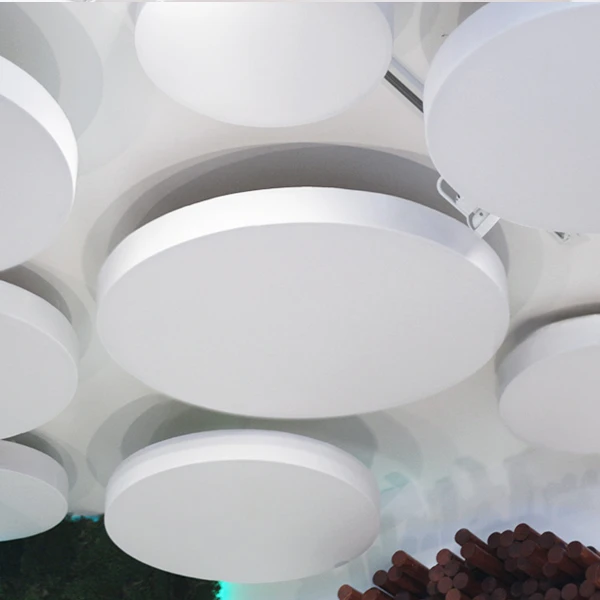
Home studios have stricter acoustic requirements than practice rooms. Recordings capture room sound directly, so any frequency buildup, flutter echo, or uneven response will appear in the final track. A home studio setup typically combines absorptive panels on side walls and the ceiling cloud with some degree of diffusion on the rear wall. Panel placement matters as much as panel quantity - coverage should be distributed rather than concentrated on one surface.
Music Teaching Spaces
Teaching studios need acoustic conditions that work for both teacher and student across a range of instruments and skill levels. Excessive reverb makes it difficult to hear fine detail in a student's playing, while an over-damped room can feel unnatural and fatiguing. A balanced treatment using fabric-wrapped or wood panels across walls and ceiling brings the room into a range that supports clear communication and accurate listening without sounding like a recording booth.
Rehearsal Rooms and Band Spaces
Band rehearsal spaces deal with high sound pressure levels and a wide frequency range - particularly when drums are involved. In these rooms, the priority shifts toward controlling volume buildup and protecting adjacent spaces from excessive noise. Panel coverage should be higher than in a single-instrument practice room, with particular attention to the ceiling and upper wall sections where sound energy accumulates at high SPL. Thicker panels with 705-core construction are better suited here than standard 1-inch 703-based options.
Advantages of Sound Pro Solutions Acoustic Panels
Sound Pro Solutions supplies acoustic panels backed by verified performance data, flexible configuration options, and direct support from specialists who understand music room acoustics. Here's what sets our products apart.
Certified NRC Ratings - Verified Performance
Every panel in the Sound Pro Solutions lineup carries a documented NRC (Noise Reduction Coefficient) rating based on standardized testing. NRC values tell you exactly how much sound energy a panel absorbs at measured frequencies - so you're selecting based on performance data, not manufacturer claims. This matters when you're planning coverage for a specific room size and need predictable results.
Custom Sizes and Color Options
Standard panel sizes cover most music room configurations, but not all walls fit standard dimensions. Sound Pro Solutions offers custom-sized panels to fit non-standard layouts, alcoves, sloped ceilings, and purpose-built installations. Fabric color options are available across the panel range, allowing treatment to integrate into the room's design rather than working against it.
Easy Installation - No Specialist Required
Sound Pro Solutions panels ship with the hardware needed for installation. Framed panels use impaling clips or Z-clip systems that mount securely to drywall without requiring a contractor. The process is documented clearly, and our team is available by phone to walk through any questions before or during installation. Most single-room panel setups can be completed in a few hours.
Sound Pro Solutions Coverage Areas
Sound Pro Solutions ships acoustic panels and sound treatment products to customers across the United States. We serve residential and commercial clients throughout New York City, New Jersey, and Connecticut, with free local delivery available in the NYC metro area. For projects outside the tri-state region, nationwide shipping is available on all orders placed through our online store.
Have questions about panel selection for your music room? Our team is available at +1-888-661-7233, Monday through Friday, 8 am-4 pm EST.
FAQs
Frequently Asked Questions. Here are some common questions about Acoustic panels.
/01How many acoustic panels do I need for a music room?
For most home practice rooms, covering 25–35% of the total wall surface is enough to reduce echo and bring reverb time to a comfortable level. A small room (10×10 ft) typically needs 6–10 standard 2×2 panels as a starting point. Larger rooms, band spaces, or recording setups may require more coverage — our team can help calculate the right quantity based on your room dimensions.
/01What size acoustic panels work best for a music room?
2×4 ft and 2×2 ft panels are the most common sizes for music room installations. Larger panels cover more surface area per mounting point, which simplifies installation in rooms with standard ceiling heights. Custom sizes are available for non-standard walls, sloped ceilings, or purpose-built layouts.
/01Do acoustic panels block sound from leaving the room?
No. Acoustic panels absorb sound energy inside the room — they reduce echo, reverb, and frequency buildup. They do not prevent sound from passing through walls, floors, or ceilings. For sound isolation between rooms, you need mass-based products such as Mass Loaded Vinyl, Isolation Clips, or door seals — all available separately in our Sound Isolation category.
/01Can I install acoustic panels without drilling into the walls?
Most framed panels use impaling clips or Z-clip systems that require minimal wall penetration. For renters or situations where wall mounting isn't an option, acoustic curtains offer a track-mounted alternative that requires no permanent installation.
/01Do you offer custom colors and sizes for music room panels?
Yes. Sound Pro Solutions offers custom panel sizes and a range of fabric colors across our fabric-wrapped panel lineup. Custom orders are available for both residential and commercial projects.