
Acoustic Panels for Media Room
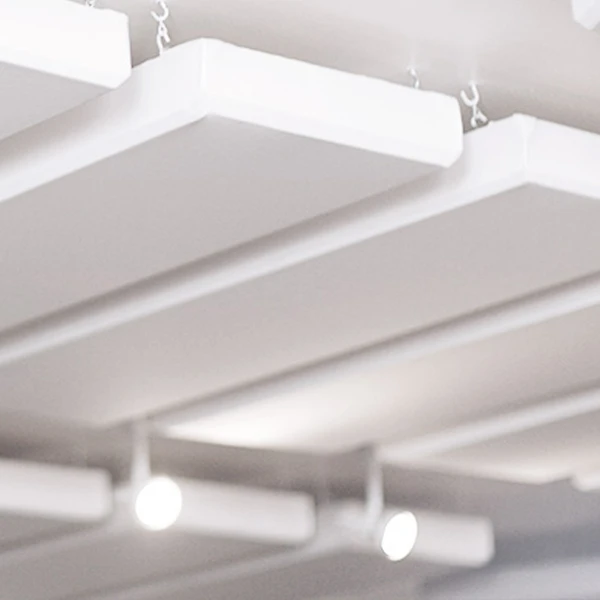
$48.00
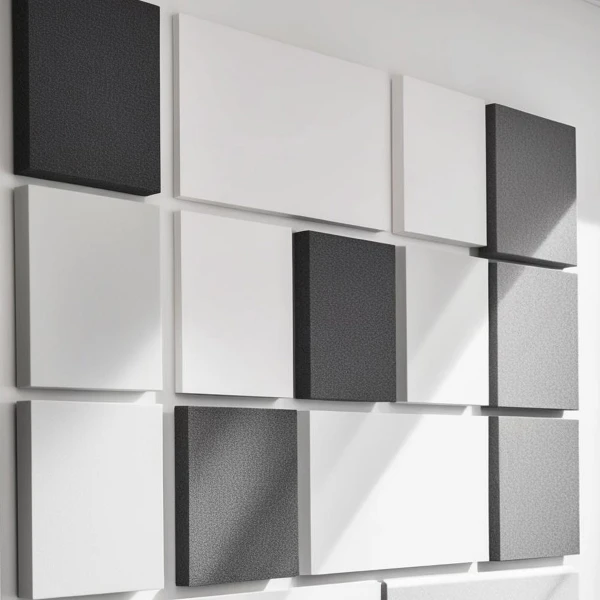
$48.00
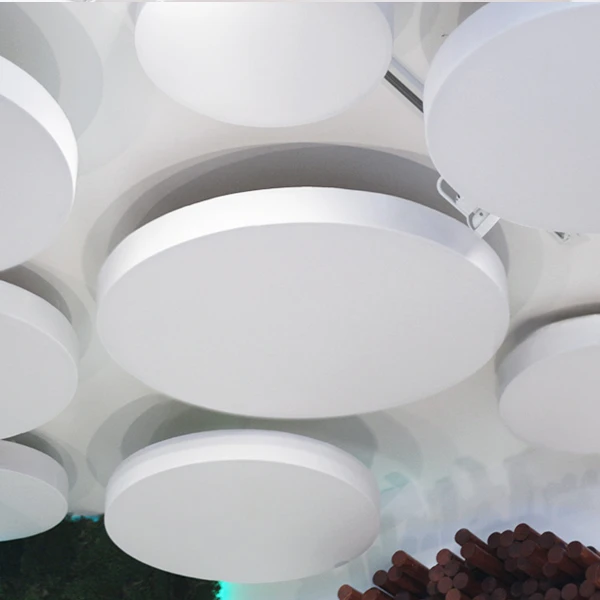
$105.00
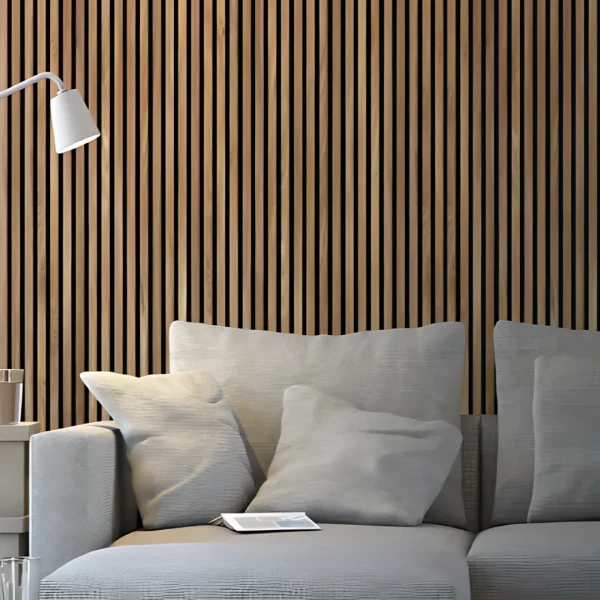
$225.00
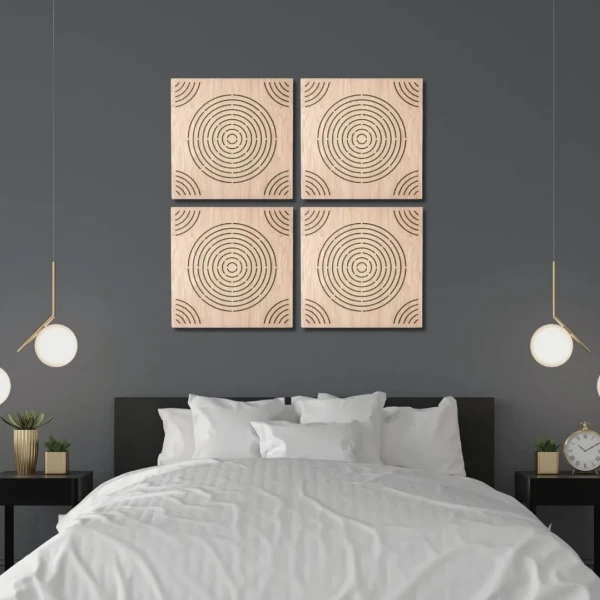
$38.00
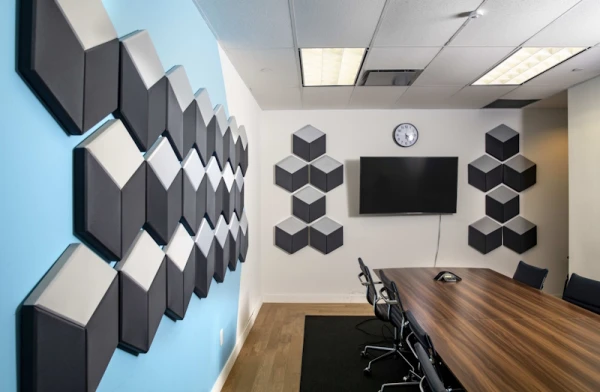
$79.00
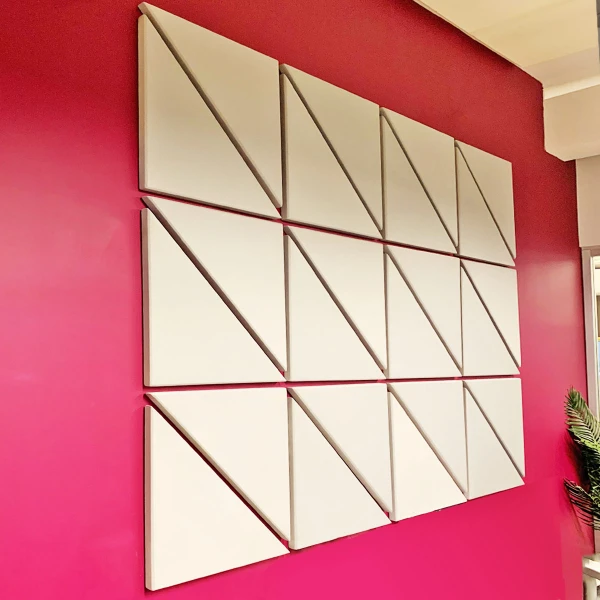
$55.00
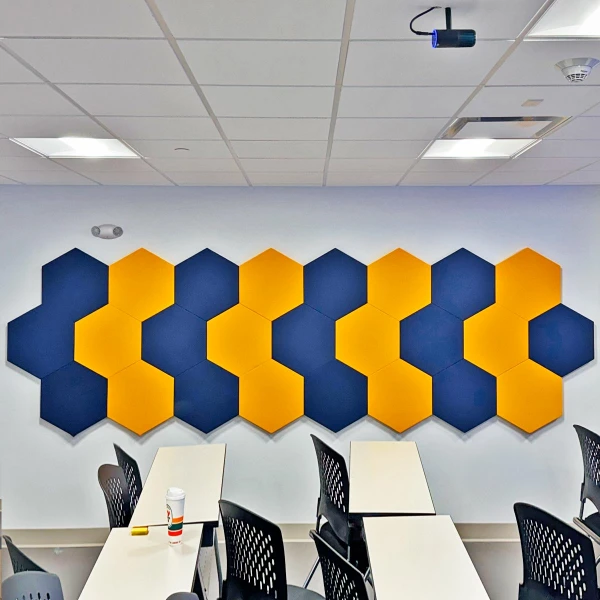
$85.00
Sound Pro Solutions carries a full selection of acoustic panels for media rooms - fabric-wrapped, frameless, wood, and curtain-based - all with certified NRC performance ratings. Whether you're outfitting a dedicated home theater or a multipurpose media space, our panels are available in standard and custom sizes.
Why Media Rooms Need Acoustic Panels
Hard surfaces turn a media room into an acoustic problem. Drywall, tile, glass, and bare floors reflect sound back into the room, distorting what the speakers are actually producing. Acoustic panels eliminate those reflections, giving you clean, accurate audio from the system you've already invested in.
Eliminating Echo and Flutter for Cleaner Audio Playback
Flutter echo - the rapid back-and-forth reflection between parallel walls - is one of the most common acoustic issues in untreated media rooms. It smears dialogue, muddies bass response, and makes high-frequency content harsh. A targeted placement of absorptive panels on opposing walls breaks up that reflection pattern and cleans up the sound without requiring any changes to the audio equipment.
Reducing Sound Reflection for a Better Home Theater Experience
In a home theater setup, the goal is for sound to reach the listener directly from the speakers - not after bouncing off three surfaces first. Reflections arrive at the ears a few milliseconds after the direct sound, which blurs stereo imaging and makes it harder to localize sound effects. Media room sound panels placed at first reflection points on the side walls and ceiling eliminate those delayed reflections, tightening the soundstage and improving dialogue clarity.
Controlling Sound Bleed to Adjacent Rooms
Media rooms operate at higher volume levels than most other spaces in the home. While acoustic panels don't replace structural soundproofing, they reduce the overall sound pressure level inside the room by absorbing energy before it reaches the walls. Combined with door seals and mass-loaded vinyl on shared walls, panel treatment is one component of a complete approach to keeping media room audio contained.
Types of Acoustic Panels for Media Rooms
Sound Pro Solutions offers four panel types suited to media room installations. The right choice depends on the room's size, design, and how much acoustic control is needed.
Fabric-Wrapped Acoustic Panels
Fabric-wrapped panels are the most widely used solution for media room acoustic treatment. A high-density fiberglass core is covered with acoustically transparent fabric, delivering consistent broadband absorption with a clean, finished appearance. Available with inner frames or in custom sizes, these panels are a practical fit for both purpose-built home theaters and everyday media rooms.
Frameless Acoustic Panels
Frameless panels mount flush to the wall with a lower profile than framed options. They perform to fabric-wrapped framed panels comparably but take up less visual space - a useful quality in media rooms where the wall layout is already defined by screens, shelving, or speaker placement. The exposed fabric edge gives a clean finish without requiring additional trim.
Wood Acoustic Panels
Wood acoustic panels introduce diffusion alongside absorption. The slatted or perforated surface scatters some sound energy while the backing absorbs it, producing a more natural acoustic response than full absorption alone. In media rooms with larger dimensions or higher ceilings, wood panels help maintain some liveliness in the room while still controlling reflections - and they work as a finished design element that complements modern and contemporary interiors.
Acoustic Curtains
Acoustic curtains are a practical option for media rooms where permanent wall treatment isn't possible, or where flexibility matters. Mounted on standard tracks, they can be drawn closed during viewing and opened when not in use. They're particularly effective over large windows or glass surfaces - two of the most reflective elements in any media room - and require no drilling into walls.
Materials and Construction of Media Room Acoustic Panels
Panel performance in a media room depends directly on core material, fabric selection, and how the panel is built and mounted. These factors determine how much sound is absorbed, at which frequencies, and how well the panel holds up over time.
Fabric Facing Options and Acoustic Transparency
Fabric selection affects both appearance and performance. The facing must be acoustically transparent - sound has to pass through the fabric freely to reach the absorptive core. Decorative fabrics with tight weaves can reflect high frequencies at the surface, reducing effective panel performance even when the core is correctly specified. Sound Pro Solutions panels use verified acoustically transparent fabric, available in multiple colors to suit the media room's design without compromising absorption.
Frame Construction and Mounting Systems
Panel frames are built from wood or metal channels. Frame depth determines the panel's overall thickness and has a direct effect on low-frequency absorption - deeper panels absorb further down into the bass range, which matters in rooms with full-range speaker systems. Mounting hardware is included with each panel: framed options use impaling clips or Z-clip systems that secure to standard drywall, while frameless panels use direct-mount or adhesive attachment. Installation requires no specialist tools or contractors.
Professional Applications for Media Room Acoustic Panels
The right panel configuration for a media room depends on how the space is used, its dimensions, and the audio system it houses. These are the most common setups Sound Pro Solutions supplies acoustic treatment for.
Dedicated Home Theater Rooms
A dedicated home theater is the highest-performance application for media room acoustic panels. These rooms are purpose-built for audio and video, which means acoustic treatment needs to be comprehensive - side wall panels at first reflection points, a ceiling cloud above the primary seating position, and rear wall treatment to manage late reflections. Panel coverage in a dedicated theater is typically higher than in a general-purpose media room, and 705-core panels are often specified for rooms with full-range subwoofer systems.
Combined Living and Media Spaces
Open-plan living rooms and combined media spaces present a different acoustic challenge. The room is larger, the surfaces more varied, and the placement options more constrained. In these setups, acoustic panels are typically used selectively - targeting the wall directly behind the screen, the ceiling above the seating area, and any large reflective surfaces such as windows or bare walls facing the speakers. Wood panels work well here because they function as part of the room's decor rather than looking like a purpose-installed treatment.
Gaming Rooms
Gaming rooms share most of the acoustic requirements of media rooms - clear audio playback, minimal echo, and controlled reflections - with the additional factor of voice communication. Excessive reverb makes it harder to hear in-game audio cues and degrades headset call quality. Fabric-wrapped panels on the primary wall surfaces bring reverb time down quickly and cost-effectively, making them a practical fit for dedicated gaming setups.
Commercial Screening and Presentation Rooms
Conference rooms, screening rooms, and presentation spaces used for video playback or audio content require the same acoustic treatment principles as residential media rooms - often at a larger scale. Commercial installations typically specify panels with higher NRC ratings, larger dimensions, and color options that align with the space's design standards. Sound Pro Solutions supplies acoustic panels for commercial applications, with the same product range available for residential projects.
Advantages of Sound Pro Solutions Acoustic Panels
Sound Pro Solutions supplies acoustic panels backed by verified performance ratings, flexible configuration options, and specialist support available before and after purchase. Below are the factors that distinguish our products from generic retail alternatives.
Certified NRC Ratings - Verified Performance
Every panel in our lineup carries a documented NRC rating based on standardized laboratory testing. NRC values are frequency-specific, which means you can confirm how well a panel performs in the range that matters most for your media room - typically 500 Hz to 4 kHz for dialogue and surround content. You're selecting on measured data, not marketing copy.
Custom Sizes and Color Options
Standard panel sizes cover the majority of media room wall configurations, but not every room is standard. Sound Pro Solutions offers custom panel dimensions for non-standard walls, angled ceilings, built-in niches, and commercial installations. Fabric colors are available across the full panel range, allowing treatment to integrate into the room's design without requiring a compromise between acoustics and appearance.
Easy Installation - No Specialist Required
All Sound Pro Solutions panels ship with the hardware needed for installation. Framed panels use impaling clips or Z-clip mounting systems compatible with standard drywall. The process is straightforward for most room configurations, and our team is available by phone to answer questions about layout, panel quantity, and placement before you install. Most single-room setups are completed in a few hours.
Sound Pro Solutions Coverage Areas
Sound Pro Solutions ships acoustic panels and media room sound panels to customers throughout the United States. We serve residential and commercial clients across New York City, New Jersey, and Connecticut, with free local delivery available in the NYC metro area. For projects anywhere else in the country, nationwide shipping is available on all orders.
To discuss panel selection for your media room, call our team at +1-888-661-7233, Monday through Friday, 8 am-4 pm EST.
FAQs
Frequently Asked Questions. Here are some common questions about Acoustic panels.
/01How many acoustic panels do I need for a media room?
For a standard media room, covering 20–30% of the total wall surface is a practical starting point. In a dedicated home theater, that figure typically goes higher — 35–50% — to achieve the tighter reverb times that full-range audio systems require. Room dimensions, ceiling height, and the type of content you're playing all affect the final number. Our team can help calculate panel quantity based on your room's specific measurements.
/01Where should acoustic panels be placed in a media room?
The highest-priority locations are the side walls at the first reflection points — the spots where sound from the front speakers bounces toward the listening position. The ceiling directly above the main seating area is the second priority. After those positions are covered, the rear wall and any large glass surfaces benefit from additional treatment. Panels don't need to be evenly distributed across every wall — targeted placement at reflection points delivers better results than random coverage.
/01Will acoustic panels improve dialogue clarity in my home theater?
Yes. Dialogue clarity is directly affected by reflected sound arriving at the listener's ears a few milliseconds after the direct signal. Those late reflections blur the perceived sound, making dialogue harder to follow at normal volume levels. Panels placed at first reflection points eliminate the worst of those delayed reflections and make a measurable difference in how clearly speech reproduces through a home theater system.
/01Do acoustic panels work for a media room with a projector screen?
Yes. The panel layout for a projector-based media room follows the same principles as any other setup — side walls, ceiling cloud, and rear wall treatment. The screen itself is typically reflective and should be factored into the placement plan. In rooms where the screen takes up most of the front wall, treatment on the side and rear walls becomes more important to compensate.
/01What's the difference between acoustic panels for a media room and a music room?
The underlying products are the same — fabric-wrapped, frameless, or wood panels with fiberglass cores. The difference is in placement priorities and coverage levels. Music rooms focus on controlling reverb for live instruments and often require higher panel coverage. Media rooms prioritize first reflection control and dialogue clarity, which can be achieved with more selective placement. A media room with a subwoofer-heavy system may also benefit from thicker 705-core panels to address low-mid frequency buildup.
/01Can I install acoustic panels in a rented media room or apartment?
Yes. Panels that use Z-clip or impaling clip systems require minimal wall penetration and can be removed without significant damage. Acoustic curtains are a fully non-permanent option for renters — they mount on standard tracks over windows or walls and require no drilling into the wall surface itself.