
Acoustic Panels for Golf Simulator

$48.00
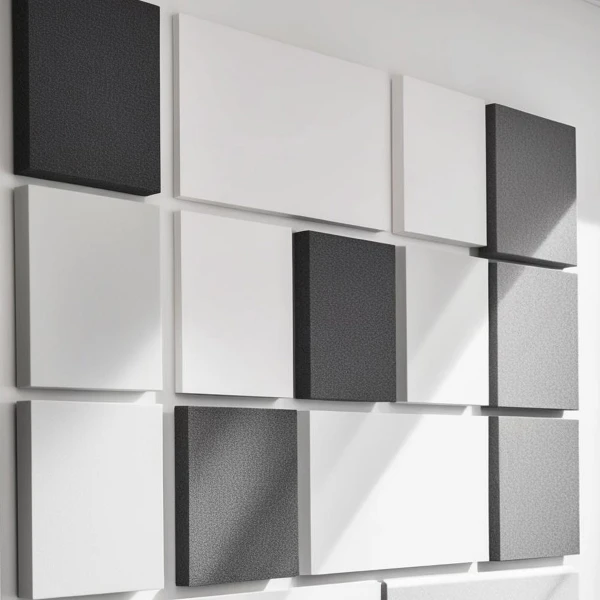
$48.00
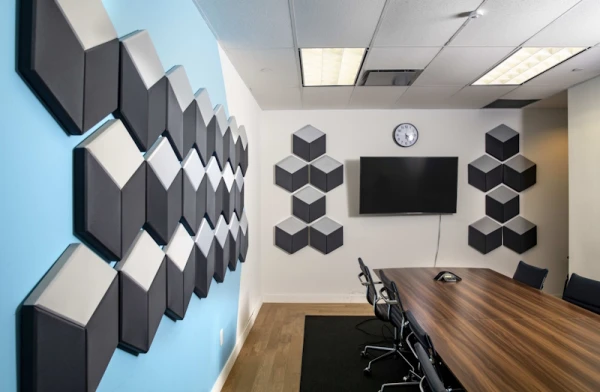
$79.00
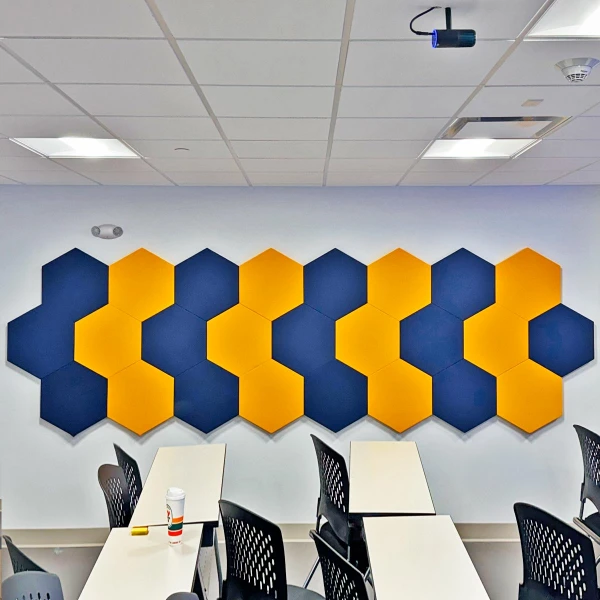
$85.00
A golf simulator room presents a combination of acoustic problems that standard room treatment doesn't fully address. Club strikes, ball impact against the screen, and the hard surfaces typical of basement or garage builds create both airborne echo and structural impact noise - two different problems that require two different product types. Sound Pro Solutions supplies acoustic wall panels for golf simulator rooms, along with sound-isolation materials, giving you a complete treatment approach in one place. All products carry certified NRC or STC ratings.
Why Golf Simulator Rooms Need Acoustic Treatment
Golf simulator rooms concentrate high-energy sound events in a small, often hard-surfaced space. Without treatment, every shot produces a sharp impact sound followed by reflections that bounce off walls, ceiling, and floor simultaneously. The result is a room that sounds loud, harsh, and fatiguing - and one that sends noise into every adjacent space in the building.
Impact Noise from Club and Ball Strikes
The dominant sound event in a golf simulator is the ball striking the impact screen - a sharp, broadband noise spike that radiates in all directions from the screen surface. Unlike continuous noise, impact events are short and high in peak energy, which means they cut through walls and floors more effectively than steady-state sound. Acoustic panels on the walls and ceiling reduce the airborne component of that impact noise by absorbing the reflected energy before it accumulates. For structural transmission through walls and floors, isolation products are required in addition to panels.
Echo and Reverberation in Enclosed Simulator Spaces
Most simulator rooms are small and rectangular, with at least some hard surfaces - concrete floors, drywall, plywood, or exposed masonry. That combination produces short, sharp flutter echo between parallel surfaces that makes every impact sound worse than it is. Acoustic panels placed on opposing walls break up the flutter pattern and reduce overall reverberation time, making the room more comfortable to spend time in and improving the clarity of any audio playback from the simulator system.
Sound Bleed to Adjacent Rooms and Floors
A simulator room below a living space, next to a bedroom, or sharing a wall with a neighboring unit generates noise complaints quickly. Acoustic panels alone reduce the overall sound level inside the room, which indirectly lowers the energy reaching adjacent surfaces. For meaningful isolation - preventing impact noise and airborne sound from transmitting structurally, mass-loaded vinyl, door seals, and isolation clips are required as part of the build.
How to Choose Acoustic Panels for a Golf Simulator
Choosing acoustic panels for a golf simulator room involves different priorities than choosing panels for an office or media room. The impact-heavy environment, tight room dimensions, and combination of acoustic and isolation needs all affect which products are appropriate.
Panel Thickness: What Works for Impact-Heavy Environments
Two-inch panels are the standard recommendation for golf simulator rooms. The additional core depth extends absorption into the low-to-mid frequency range, where ball and club impact noise is concentrated. One-inch panels perform adequately for flutter echo reduction in mid and high frequencies, but they don't address the low-frequency component of impact events. For a room where the primary noise source is a physical strike rather than a speaker or instrument, 2-inch panels deliver a more complete result.
Wall vs. Ceiling Coverage in a Simulator Room
In a golf simulator room, the ceiling is one of the highest-priority surfaces for panel treatment. The impact screen is typically mounted at one end of the room, and the sound radiates forward and upward - making the ceiling directly above the hitting zone a primary reflection surface. Side walls at mid-height are the second priority. The rear wall - behind the golfer - also benefits from treatment to reduce the late reflections that return toward the screen end of the room. A distribution across all three surfaces produces better acoustic results than concentrating panels on a single wall.
Combining Acoustic Treatment with Sound Isolation Products
Acoustic panels absorb sound energy inside the room - they improve the acoustic conditions for the occupants but do not prevent sound from passing through the building structure. In a simulator room where impact noise transmission to adjacent spaces is a concern, panels need to be paired with isolation products: mass-loaded vinyl added to wall and ceiling assemblies, door seals to close off the gap under and around the door, and isolation clips if the walls are being built or renovated. Sound Pro Solutions carries all three product categories alongside acoustic panels.
Types of Acoustic Panels for Golf Simulator Rooms
Sound Pro Solutions offers four panel types suited to golf simulator installations. The right choice depends on the room's construction, the degree of acoustic control needed, and the finish requirements.
Fabric-Wrapped Acoustic Panels
Fabric-wrapped panels are the most practical choice for most golf simulator rooms. The high-density fiberglass core delivers strong broadband absorption, the fabric finish holds up well in enclosed residential and commercial environments, and the panel format is straightforward to install on standard drywall or plywood walls. Available in standard and custom sizes, these panels efficiently cover walls and ceilings and are the default recommendation for both residential and commercial simulator builds.
Frameless Acoustic Panels
Frameless panels offer the same core absorption performance with a lower-profile appearance and lighter weight. In small simulator rooms where wall space is limited, the absence of a frame reduces the panel's footprint slightly, which can matter when working around equipment mounts, screen framing, and projector hardware. They mount flush to the wall and are easier to reposition if the room layout changes.
Wood Acoustic Panels
Wood acoustic panels combine absorption with diffusion and are a common choice in higher-end commercial simulator bays where the room's appearance is part of the customer experience. The slatted surface scatters some sound energy while the backing absorbs it, producing a more controlled acoustic response than full absorption alone. In simulator rooms with audio systems designed for immersive playback, wood panels help preserve some natural room sound while still reducing reverberation.
Acoustic Curtains
Acoustic curtains are a flexible option for simulator rooms where permanent wall treatment isn't practical - rental spaces, temporary installations, or rooms that serve multiple purposes. Hung on standard tracks along the side walls or behind the impact screen surround, they add meaningful absorption without requiring hardware installation. They're also a useful supplement to rigid panels in rooms where full wall coverage isn't possible.
Materials and Construction of Golf Simulator Acoustic Panels
Panel performance in a golf simulator room depends on core density, fabric transparency, and how the panel is built and mounted. In an environment with repeated high-energy impact events, construction quality also affects long-term durability.
Fabric Facing Options and Acoustic Transparency
The fabric on a golf simulator panel needs to be acoustically transparent - sound must pass through the surface freely to reach the absorptive core. In a simulator room, where the panel surfaces are close to the impact events, fabric durability is also a practical consideration. Sound Pro Solutions panels use fabric verified for acoustic transparency, available in a range of colors. For commercial simulator bays, color selection allows the treatment to align with the room's branding or design without compromising absorption.
Frame Construction and Mounting Systems
Panel frames are built from wood or metal channels. In a golf simulator room, frame depth directly affects low-frequency performance - deeper frames allow thicker cores, which extend absorption further into the frequency range. All Sound Pro Solutions panels include mounting hardware: framed panels use impaling clips or Z-clip systems that secure to standard drywall or plywood without specialist tools. For simulator rooms with exposed stud walls or alternative wall construction, our team can advise on appropriate mounting hardware before the order is placed.
Sound Isolation Products for Golf Simulator Rooms
Acoustic panels treat the sound inside the simulator room. Isolating that sound from the rest of the building requires a separate category of products. Sound Pro Solutions carries the core isolation materials needed for a complete buildout of a golf simulator room.
Mass Loaded Vinyl for Walls and Ceilings
Mass-loaded vinyl (MLV) is a flexible, high-density barrier material that adds mass to wall, ceiling, and floor assemblies without requiring structural changes. In a golf simulator room, MLV installed behind drywall or over existing wall surfaces raises the STC rating of the assembly, reducing how much airborne and impact noise passes through to adjacent spaces. It can be applied to existing walls as a surface treatment or incorporated into new construction as part of a layered assembly.
Door Seals to Contain Impact Noise
The door is the weakest point in any room's sound isolation. Even a solid-core door with a standard frame gap allows significant sound transmission - particularly the sharp, high-energy peaks produced by golf ball impact. Door seals close the gap between the door and frame on all four sides, dramatically reducing the amount of noise that escapes through the door opening. Sound Pro Solutions carries automatic door bottom seals and perimeter seal kits suited to residential and commercial simulator room doors.
Isolation Clips for Decoupled Wall Assemblies
Isolation clips - including IsoMax and RSIC-1 systems - decouple the drywall layer from the structural framing, interrupting the path through which impact vibration travels into the building structure. For simulator rooms in new construction or full renovation, incorporating isolation clips into the wall and ceiling assemblies is one of the most effective steps for reducing impact noise transmission. For existing rooms, MLV and door seals provide a more practical upgrade path.
Professional Applications for Golf Simulator Acoustic Panels
Golf simulator acoustic treatment covers a range of project types, from residential builds to commercial multi-bay facilities. The core acoustic requirements are consistent - impact noise absorption, echo control, and isolation from adjacent spaces - but scale and finish requirements differ by application.
Residential Basement and Garage Simulator Rooms
Residential simulator builds are the most common application for acoustic panels for golf simulators. Basements and garages present specific challenges: concrete or masonry walls, hard floors, and direct adjacency to living spaces or attached structures. In these rooms, fabric-wrapped panels on the walls and ceiling address the echo and flutter echo problem quickly, while MLV and door seals manage the transmission issue. Custom panel sizes are often needed to work around low ceiling heights, beam structures, and mechanical equipment.
Commercial Golf Simulator Bays
Commercial simulator bays in golf entertainment venues, country clubs, and training facilities require both acoustic performance and a finished appearance that holds up to regular customer use. Panel coverage is typically higher than in residential builds, and commercial-grade fabric options with Class A fire ratings are standard. In multi-customer environments, isolation between bays is also a priority - MLV and isolation clips in shared wall assemblies prevent impact noise from one bay reaching the next.
Multi-Bay Simulator Facilities
Multi-bay facilities introduce an additional challenge: bay-to-bay sound transmission. In a facility with four or more simulator bays operating simultaneously, impact noise from adjacent bays becomes a significant distraction if the shared walls aren't treated. A complete treatment approach - acoustic panels within each bay, MLV in shared wall assemblies, and door seals on each bay entrance - addresses both the in-room acoustic conditions and the transmission problem between bays.
Advantages of Sound Pro Solutions Acoustic Panels
Sound Pro Solutions supplies acoustic panels for golf simulator rooms, along with the isolation products needed for a complete build - all with verified performance ratings and direct specialist support.
Certified NRC Ratings - Verified Performance
Every panel in our lineup carries a documented NRC rating based on standardized laboratory testing. In a golf simulator room where the acoustic environment is demanding and the investment in the build is significant, selecting panels with verified performance data ensures the treatment delivers measurable results. NRC ratings are frequency-specific, confirming panel performance in the ranges most relevant to impact noise absorption.
Custom Sizes for Non-Standard Simulator Rooms
Residential simulator rooms in basements and garages rarely have standard dimensions. Low ceilings, structural columns, mechanical equipment, and irregular wall layouts all create constraints that standard panel sizes can't always accommodate. Sound Pro Solutions offers custom panel dimensions across the full product range, allowing the treatment to be designed around the room's actual geometry.
Easy Installation - No Specialist Required
All Sound Pro Solutions panels ship with the hardware needed for installation. Framed panels use impaling clips or Z-clip systems compatible with standard drywall and plywood - both common wall surfaces in residential simulator builds. Our team is available by phone to assist with layout planning and hardware selection for any simulator room project before installation begins.
Sound Pro Solutions Coverage Areas
Sound Pro Solutions ships acoustic panels and sound isolation products for golf simulator rooms to customers throughout the United States. We serve residential and commercial clients across New York City, New Jersey, and Connecticut, with free local delivery available in the NYC metro area. For simulator projects anywhere else in the country, nationwide shipping is available on all orders.
To discuss panel selection and isolation requirements for your golf simulator room, call our team at +1-888-661-7233, Monday through Friday, 8 am-4 pm EST.
FAQs
Frequently Asked Questions. Here are some common questions about Acoustic panels.
/01Do acoustic panels stop the noise from a golf simulator from reaching other rooms?
Acoustic panels reduce the overall sound level inside the simulator room by absorbing echo and reverberation — but they do not block sound from passing through walls, floors, or ceilings. For that, you need isolation products: mass-loaded vinyl added to wall and ceiling assemblies, door seals to close the gap around the door, and isolation clips if the walls are being built or renovated. Sound Pro Solutions carries all three alongside acoustic panels.
/01What thickness acoustic panel should I use for a golf simulator room?
Two-inch panels are the standard recommendation for golf simulator rooms. Ball impact against the screen produces significant low-mid frequency energy that 1-inch panels don't absorb as effectively. The additional core depth of a 2-inch panel extends absorption further down the frequency range, producing better results in an environment where the primary noise source is a physical strike rather than a speaker.
/01How many acoustic panels do I need for a golf simulator room?
For a standard residential simulator room, covering 30–40% of the wall and ceiling surface area is a practical starting point. In a small, enclosed space with hard surfaces — concrete, drywall, plywood — that coverage level brings reverberation time down noticeably and reduces the harshness of ball impact sound. Commercial bays with higher performance requirements typically need higher coverage. Contact our team with your room dimensions for a specific panel count recommendation.
/01Where should acoustic panels be placed in a golf simulator room?
The ceiling directly above the hitting zone is the highest priority — it's the primary reflection surface for sound radiating off the impact screen. Side walls at mid-height are the second priority. The rear wall behind the golfer should also be treated to prevent late reflections from returning toward the screen. Distributing panels across all three surfaces produces more even acoustic conditions than concentrating treatment on a single wall.
/01Will acoustic panels protect the walls of a simulator room from ball strikes?
Acoustic panels are not designed for impact protection and should not be positioned in areas where direct ball contact is possible. Panels should be installed outside the ball flight zone — on side walls, the rear wall, and the ceiling — where they are not at risk of being struck. The impact screen and side barriers handle ball containment; acoustic panels handle sound absorption in the surrounding space.
/01Do you carry everything needed to acoustically treat a golf simulator room?
Yes. Sound Pro Solutions carries acoustic panels for in-room treatment alongside mass-loaded vinyl, door seals, and isolation clips for sound isolation. All products can be ordered together, which simplifies logistics for simulator builds that require both acoustic treatment and isolation in the same project.