
Acoustic Panels for Classrooms

$48.00
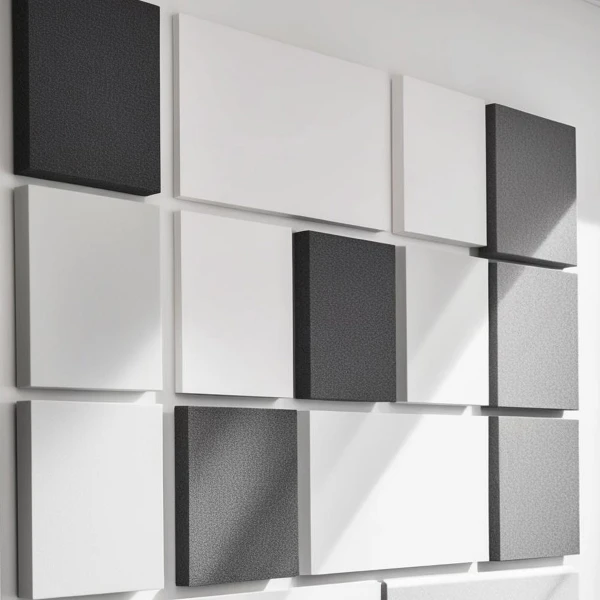
$48.00
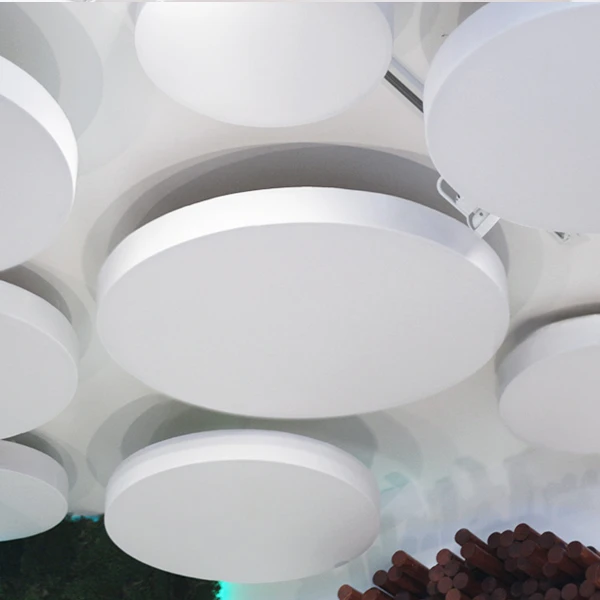
$105.00
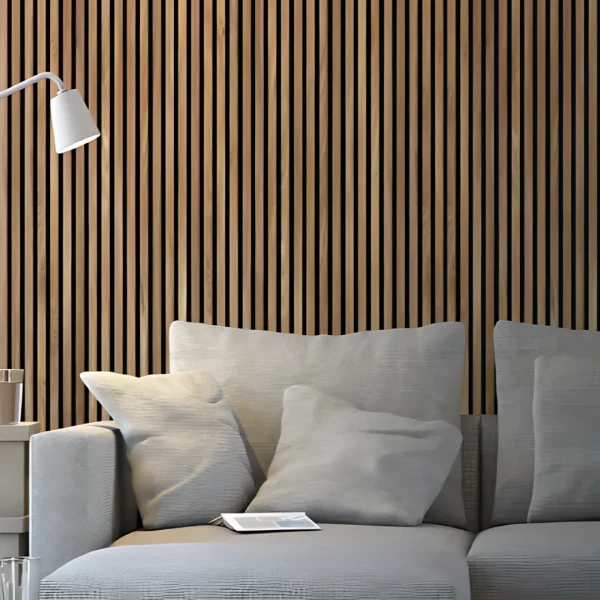
$225.00

$38.00
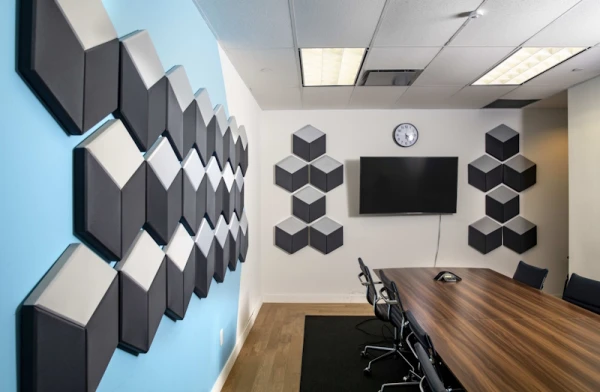
$79.00
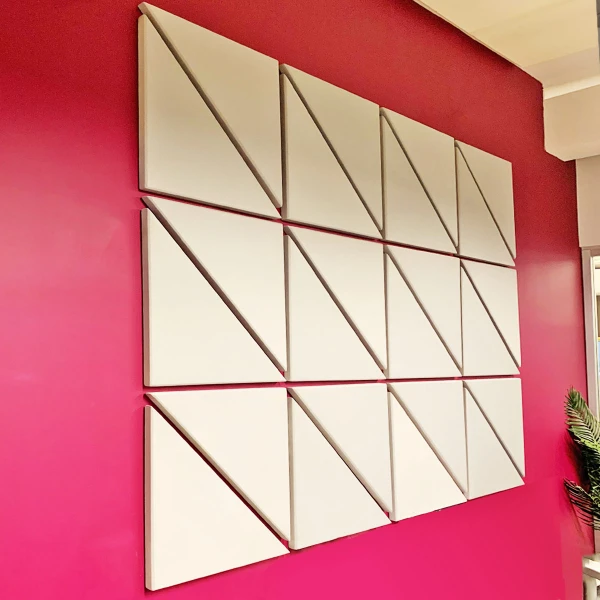
$55.00
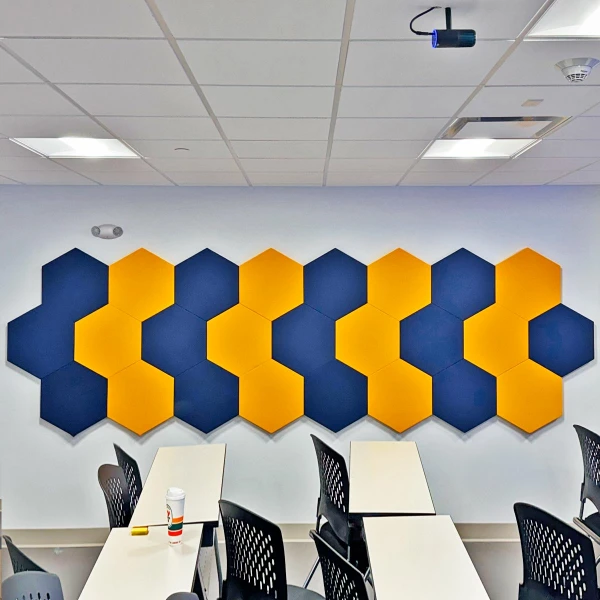
$85.00
Classrooms are acoustically demanding spaces. Hard floors, drywall ceilings, glass windows, and whiteboards create an environment where sound reflects off every surface, building reverberation that makes it difficult for students to hear and process what a teacher is saying. Sound Pro Solutions supplies acoustic wall panels, ceiling baffles, and frameless panels built for classroom installation - products that meet school fire safety requirements and deliver measurable reverberation reduction. Our range covers K-12 classrooms, university lecture halls, music rooms, and special education environments. All orders ship nationwide, with free delivery in New York City.
How Classroom Acoustic Panels Improve Sound Quality
Acoustic panels reduce reverberation by absorbing sound energy rather than reflecting it. The panel's porous core - typically fiberglass or mineral wool - converts sound wave energy into a small amount of heat as the wave passes through the material. This process removes energy from the room instead of bouncing it back into the space. With sufficient coverage, the cumulative effect is a measurable reduction in RT60 and a corresponding improvement in speech clarity.
Sound absorption and soundproofing are not the same thing, and the distinction matters for school buyers. Acoustic panels control sound within the room - they reduce echo, reverberation, and noise buildup inside the classroom. They do not prevent sound from traveling through walls, doors, or ceilings. If hallway noise, HVAC sound, or noise from adjacent classrooms is the primary concern, that requires sound isolation products - door seals, mass-loaded vinyl, or acoustic sealants - used separately or in combination with panels. Most classroom acoustic projects address both issues, but they are different products solving different problems.
The NRC (Noise Reduction Coefficient) indicates how much sound a panel absorbs across the frequency range, expressed as a value between 0 and 1. For classroom applications, panels with an NRC of 0.85 or higher are the appropriate baseline. At NRC 0.90, the panel absorbs 90 percent of incident sound energy. Panels in the NRC 0.70 range are insufficient for classroom environments where the hard surface area is high and the target RT60 is strict.
The most effective panel placement in a classroom targets the side walls and rear wall in the zone between 5 and 8 feet - the height at which first reflections from a teacher's voice reach the walls and redirect toward students. Ceiling panels or baffles address the overhead reflection path, which becomes increasingly significant as room volume increases. A classroom treated at 25 to 30 percent of total wall and ceiling surface area with NRC 0.90 panels can typically achieve an RT60 reduction from 1.2-1.5 seconds down to 0.5-0.7 seconds - within ANSI S12.60 compliance range.
Classroom Acoustic Panels - Product Options
Not every acoustic panel is appropriate for a school environment. Classroom installations require panels with a Class A fire rating under ASTM E84, surfaces that hold up to cleaning and occasional impact, and mounting systems that stay secure in an active facility. Standard decorative office panels and studio acoustic foam do not meet these requirements and are not appropriate for public or institutional school use.
Acoustic Panels with Inner Frame are the workhorse option for classroom wall treatment. The rigid internal frame keeps the panel dimensionally stable and the fabric facing taut over the years of use. These panels are available in multiple sizes - commonly 2×2, 2×4, and 4×4 feet - and in a range of fabric colors suited to educational environments. NRC ratings for 2-inch framed panels typically fall in the 0.85 to 1.0 range. They mount cleanly using Z-clips or impaling clip systems anchored into wall studs or drywall anchors, and can be repositioned without damaging the wall surface.
Frameless Acoustic Panels present a lower-profile option where wall appearance matters alongside performance. Without an exposed frame, these panels sit flush against the surface and integrate more naturally into finished classroom interiors. Performance is comparable to framed panels at the same core thickness and material. Frameless panels are a practical choice for classrooms that double as presentation or event spaces and where a cleaner aesthetic is a consideration.
Ceiling Baffles become necessary when the classroom ceiling height exceeds 12 feet, or when wall space is limited by windows, whiteboards, and display boards that leave little room for wall-mounted panels. Baffles suspended horizontally from the ceiling structure provide absorption on two faces simultaneously and add treatment coverage without occupying any wall area. They are particularly well-suited to lecture halls, cafeteria-style classrooms, and multipurpose rooms where the overhead volume is a significant contributor to reverberation.
|
Panel Type |
Typical NRC |
Fire Rating |
Best Use in Classroom |
|
Framed Panel (2") |
0.85-1.0 |
Class A available |
Standard classroom walls, side wall treatment |
|
Frameless Panel (2") |
0.85-1.0 |
Class A available |
Finished interiors, multipurpose rooms |
|
Ceiling Baffle |
0.90-1.0 |
Class A available |
High ceilings, limited wall space, lecture halls |
Browse our full selection of acoustic panels for schools, or contact our team for product recommendations matched to your classroom dimensions and use case.
How to Choose the Right Acoustic Panels for Your Classroom
Selecting the right panels for a classroom comes down to four variables: room size, ceiling height, the type of learning activity the space supports, and fire compliance requirements. The most common mistake in classroom acoustic treatment is underestimating the required coverage area - installing too few panels in a space with high hard-surface area will produce modest improvement but not bring the room into compliance with functional acoustic standards.
Room size and coverage. For a standard K-12 classroom of 800 to 1,000 square feet with 9 to 10-foot ceilings, targeting 20 to 30 percent of the total wall and ceiling surface area provides a reliable starting point. That translates to roughly 150 to 250 square feet of panel coverage in a typical room. Classrooms with higher ambient noise - from HVAC systems, adjacent spaces, or exterior traffic - should target the upper end of that range.
Ceiling height. In classrooms with standard 9 to 12-foot ceilings, wall panels at upper-wall height can address both lateral and overhead first reflections effectively. When ceiling height reaches 15 feet or more - as in lecture halls, gymnasiums used for instruction, or older school buildings with high-clearance rooms - ceiling baffles become a required part of the treatment rather than an optional addition. Wall panels alone cannot address the overhead reflective volume at those heights.
Type of use. A standard classroom used for lecture-style instruction needs panels optimized for speech frequency absorption, with strong NRC performance in the 500 Hz to 4 kHz range. A music classroom requires broader frequency coverage, including low-frequency absorption at 125 to 250 Hz, which calls for thicker panels or supplemental corner treatment. A special education room serving students with heightened noise sensitivity may warrant higher coverage percentages and additional attention to noise flanking paths through doors and ceilings.
Fire compliance. All panels installed in public school facilities should carry a Class A fire rating under ASTM E84, with a Flame Spread Index of 25 or less and a Smoke Developed Index of 450 or less. This is not a discretionary specification - it is a standard requirement for materials installed in occupied educational buildings. Sound Pro Solutions carries Class A-rated panel options across its product lines.
Not sure how much coverage your classroom needs? Contact our acoustic specialists for a free consultation. We can work through your room dimensions and use case to recommend the right products and quantities.
Acoustic Panel Placement in a Classroom
Correct placement determines how much improvement the panels actually deliver. In a rectangular classroom, the side walls are the highest-priority treatment zone - this is where the primary lateral reflections from a teacher's voice reach the room boundary and redirect toward student seating. Panels installed on the side walls at 5 to 8 feet height intercept those first reflections before they have time to mix with subsequent ones and build into reverberation.
The rear wall is the second priority. Sound from the front of the room travels the full length of the classroom before striking the rear wall and reflecting back. A panel array across the upper portion of the rear wall reduces that long-path reflection significantly. The front wall, behind the teacher and in front of the board or screen, has the lowest priority - treatment there has less impact on the student listening experience and would also reduce the natural projection of the teacher's voice.
Ceiling placement is most effective in the area directly above the primary student seating zone. Direct-mount ceiling tiles work well in rooms with a drop-ceiling grid - they replace standard tiles without any mounting work. Where no grid exists, or where the existing ceiling is too high for direct mount to be practical, suspended baffles on aircraft cable provide the necessary overhead absorption. Horizontal baffle orientation maximizes absorption per unit and is the standard configuration for classroom ceiling treatment.
When noise from hallways or adjacent rooms is a secondary concern alongside reverberation, adding door seals around classroom entry doors addresses the most common flanking path. Sound travels readily through the air gaps around standard school doors, and a properly installed door seal kit reduces that transmission without any structural modification.
For mounting hardware, Z-clip systems are the preferred option in school environments. They allow panels to be installed and removed cleanly, hold panels securely against the wall without adhesive, and support repositioning if room configuration changes. Impaling clip systems are a lower-cost alternative for permanent installations. French cleats provide a heavy-duty option for larger or heavier panel formats.
Acoustic Panels for Different Classroom Types
Acoustic requirements vary significantly depending on how a space is used and who uses it. A standard K-12 classroom, a university lecture hall, a music room, and a special education room all have different RT60 targets, different surface challenges, and different compliance considerations. Specifying panels correctly means starting from the actual use case rather than applying a single solution across every room type.
K-12 classrooms are the most common classroom acoustic project. The primary goal is speech intelligibility - bringing RT60 into the 0.5 to 0.7 second range specified by ANSI S12.60 and supporting a clean signal-to-noise ratio for students at varying distances from the teacher. Panels must carry a Class A fire rating, use fabric surfaces that can be wiped down, and be mounted at heights that keep them out of reach of younger students, where practical. Coverage of 20 to 30 percent of the wall and ceiling area is typically sufficient for standard room dimensions.
University and college lecture halls present a larger-scale version of the same problem. Greater room volume, higher ceilings, tiered seating configurations, and integrated AV systems all add complexity to the acoustic treatment. Coverage requirements trend toward 25 to 35 percent, and ceiling baffles are almost always part of the solution. The treatment needs to support both unamplified speech and amplified presentations without introducing excessive absorption that flattens the acoustic character of the room.
Music classrooms require a different approach. The target RT60 for a music teaching space is lower than for a speech-focused room - typically in the 0.4 to 0.6 second range - and the frequency coverage needs to extend down into the low-frequency range where instruments and vocals generate the most energy. Standard 2-inch panels absorb mid and high frequencies well but provide limited low-frequency absorption. Music classroom treatment often calls for 3-inch or 4-inch core panels, or supplemental corner treatment, to address the 125 to 500 Hz range effectively.
Special education rooms serve students who may have heightened sensitivity to noise, auditory processing differences, or sensory needs that make the acoustic environment a direct factor in their ability to function and learn. These rooms generally benefit from higher coverage percentages - 30 to 40 percent or more - and particular attention to noise flanking through doors and ceiling plenums. The goal is not just meeting ANSI standards but creating the quietest practical environment the room construction allows.
Why Choose Sound Pro Solutions for Classroom Acoustic Panels
Sound Pro Solutions supplies certified acoustic panels for educational facilities across the United States, with free pickup and delivery in New York City. Every panel in our catalog carries NRC ratings based on laboratory testing to ASTM standards - not estimated or self-reported figures. For school and institutional projects where fire compliance is required, we stock Class A-rated options across our wall panel and ceiling baffle product lines.
When you contact our team with a classroom project, we review your room dimensions, ceiling height, and intended use to recommend the specific products and coverage quantities your space actually needs. We do not suggest more product than the room requires, and we do not push premium configurations where standard ones will do the job.
Our return policy covers products that arrive damaged or do not match your order. Nationwide shipping is available on all orders, and customers in the New York City area receive free delivery directly from our Long Island City location.
If you are specifying acoustic panels for a single classroom or a multi-room school renovation, contact Sound Pro Solutions to discuss your project. We are here to help you get the acoustic result you need within the compliance requirements your facility demands.
FAQs
Frequently Asked Questions. Here are some common questions about Acoustic panels.
/01How many acoustic panels do I need for a classroom?
Target 20 to 30 percent of total wall and ceiling surface area. For a standard 800 to 1,000 sq ft classroom with 9 to 10-foot ceilings, that's roughly 150 to 250 square feet of panel coverage. Rooms with higher noise levels or harder surfaces trend toward the upper end. Contact our team for a free coverage estimate based on your room dimensions.
/01What NRC rating should classroom acoustic panels have?
NRC 0.85 or higher. Panels in the NRC 0.90 to 1.0 range at 2-inch core thickness are the standard choice for speech-focused classrooms. Panels below NRC 0.70 are insufficient for school environments and will produce limited improvement regardless of coverage.
/01Do classroom acoustic panels need to be fire-rated?
Yes. Public school facilities require a Class A fire rating under ASTM E84 - Flame Spread Index ≤25, Smoke Developed Index ≤450. This applies to K-12 schools, universities, and all occupied educational buildings. Sound Pro Solutions carries Class A-rated panels across its wall panel and ceiling baffle product lines.
/01What is the difference between acoustic panels and soundproofing?
Acoustic panels reduce echo and reverberation inside the room, improving speech clarity. Soundproofing products - door seals, mass-loaded vinyl, resilient clips - block sound from passing between spaces. If speech is unclear inside the classroom, you need absorption. If hallway or adjacent-room noise is the problem, you need isolation. Many classroom projects require both.
/01Can acoustic panels be installed on classroom ceilings?
Yes - and in rooms with limited wall space or ceilings above 12 feet, ceiling treatment is essential. Direct-mount acoustic tiles work in standard drop-ceiling grids. For higher ceilings or rooms without a grid, suspended baffles on aircraft cable are the standard solution.
/01How do acoustic panels affect student learning?
Poor classroom acoustics reduce speech comprehension and increase cognitive fatigue, particularly for younger students, English language learners, and those with hearing differences. Bringing RT60 into the ANSI S12.60 range restores the signal-to-noise conditions needed for reliable speech understanding and reduces the listening effort that competes with learning.
/01What mounting hardware works best for classroom panels?
Z-clips are the preferred option - they allow clean installation and removal without wall damage, and support repositioning if the room layout changes. Impaling clips work for permanent installs. Adhesive-only mounting is not recommended for school facilities.