
Acoustic Ceiling Tiles & Panels


$48.00
$105.00
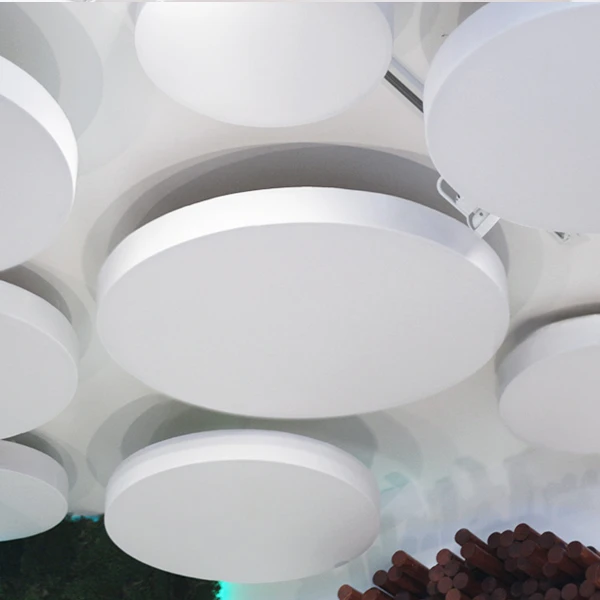
Acoustic ceiling panels are specially designed sound absorbing surfaces which help control noise levels, reduce echoes and improve overall sound clarity in various environments. These panels absorb sound waves to create a more comfortable and acoustically balanced space, unlike standard ceiling materials that can reflect and amplify unwanted noise. They are widely used in offices, home theaters, restaurants, conference rooms and commercial spaces where noise control is essential for productivity and comfort.
The science behind sound absorbing ceiling panels lies in their ability to trap and dissipate sound energy. When sound waves hit the ceiling, they reflect back into the room, creating excessive reverberation and reducing speech intelligibility. Acoustic ceiling panels use porous materials such as high-density foam, fiberglass, or wood-backed felt to absorb these sound waves and prevent them from bouncing around the room. This leads to clearer conversations, reduced background noise, and improved acoustics.
There is often confusion between acoustic ceiling panels and acoustic ceiling tiles, but these terms refer to different products and applications. Acoustic ceiling panels are larger and typically used in customized installations, suspended ceiling systems, or direct mounting applications. They provide seamless, high-end acoustic treatment and often feature stylish wood or fabric finishes. On the other hand, acoustic ceiling tiles are smaller, modular components commonly found in drop ceilings (T-grid systems). These tiles are easier to replace and are frequently used in offices, schools, and commercial buildings where functionality and ease of maintenance are priorities.
Whether you choose sound absorbing ceiling panels for a modern architectural look or acoustic ceiling tiles for a cost-effective solution, both options play a crucial role in creating quieter, more acoustically optimized environments.
Materials Used in Sound Absorbing Panels for Ceilings
The performance of ceiling acoustic panels depends on their materials, each of which offers unique advantages in sound absorption, durability and aesthetics. Choosing the right acoustical ceiling panels ensures optimal acoustics and design for offices, theaters, or commercial spaces.
Fiberglass Core Panels
Lightweight yet highly effective, fiberglass panels deliver NRC ratings up to 1.00, making them ideal for speech clarity and echo reduction in offices, auditoriums, and classrooms. Their fabric-covered surface enhances both functionality and aesthetics.
Foam-Based Panels
Made from open-cell polyurethane or melamine foam, these panels absorb mid-to-high-frequency sounds, commonly used in studios, home theaters, and open offices. They are affordable and easy to install but offer less durability.
Wood Wool & Natural Materials
Wood wool panels, crafted from shredded wood fibers bonded with cement, provide sound absorption, fire resistance, and sustainability. Other natural options, like cork and recycled fibers, add eco-friendly acoustic solutions to modern interiors.
Fabric-Wrapped Panels
Featuring a fiberglass or polyester core wrapped in acoustically transparent fabric, these panels offer premium sound absorption with customizable finishes, perfect for boardrooms, hotels, and upscale office spaces.
Sustainability Considerations
Many acoustic tiles ceiling options now use recycled PET felt, FSC-certified wood, and low-VOC materials, supporting LEED-certified buildings and enhancing indoor air quality.
Choosing the right material, from fiberglass for performance to wood wool for sustainability and fabric panels for elegance, ensures better sound control and lasting style.
Applications
Acoustical ceiling panels are an essential part of controlling noise in different environments. In corporate settings, office acoustic ceiling panels help reduce echo and improve speech clarity in open workspaces, conference rooms, and executive offices. Educational institutions use them in classrooms and lecture halls to enhance sound quality for better learning experiences. In hospitality and retail spaces, they create a more pleasant atmosphere by minimizing background noise. Homeowners install them in theaters and studios for superior sound absorption. Whether in commercial, residential, or institutional spaces, these panels enhance acoustic comfort and create a more balanced sound environment.
Performance Metrics and Selection Criteria for Acoustic Ceiling Panels
Selecting the right acoustic panels for ceiling requires a careful balance of sound absorption, fire safety, durability, and budget considerations. The Noise Reduction Coefficient (NRC) and Sound Absorption Average (SAA) are the primary measures of panel effectiveness. Higher NRC ratings, which typically range from 0.70 to 1.00, indicate better sound absorption. They are ideal for reducing echo in offices, restaurants and entertainment venues. Panels with high SAA ratings provide absorption over a wider range of frequencies, creating a more balanced acoustic environment.
Beyond sound control, fire safety is a crucial factor, especially in commercial applications. To comply with building codes and safety standards, many ceiling-mounted sound absorbing panels must meet ASTM E84 Class A fire ratings. This classification is essential for spaces like offices, auditoriums, and educational institutions where fire resistance is legally required. Checking local regulations and ensuring compliance with LEED certifications can also benefit sustainability-focused projects.
Durability plays a key role in determining long-term performance and maintenance needs. Fiberglass and fabric-wrapped panels provide excellent sound absorption but require regular cleaning to maintain their appearance. Wood-based acoustic panels ceiling solutions offer longevity and aesthetics with minimal upkeep, making them a popular choice for high-end interiors. Foam panels, while cost-effective, are more susceptible to wear and tear and are best suited for low-traffic environments.
Cost is another critical aspect to consider. The price of acoustic panels ceiling varies based on material, installation type, and customization options. While premium panels with higher NRC ratings may have a higher initial cost, they deliver long-term value by significantly improving sound clarity and reducing noise-related distractions. Investing in high-quality panels can enhance productivity, comfort, and the overall acoustic experience in any space.
FAQs
Frequently Asked Questions. Here are some common questions about Acoustic panels.
What are ceiling sound absorbing panels, and how do they work?
Ceiling sound absorbing panels are designed to reduce noise levels by absorbing sound waves that would otherwise bounce off hard surfaces. These panels, made from materials like fiberglass, foam, or wood-backed felt, help control echo and improve speech clarity in offices, conference rooms, restaurants, and home theaters.
What is the difference between acoustic ceiling panels and acoustic ceiling tiles?
Both serve similar purposes, but acoustic ceiling panels are typically larger, designed for direct mounting or suspended grid systems, and often feature stylish wood, fabric, or custom finishes. Acoustic ceiling tiles, on the other hand, are smaller, modular, and commonly used in drop ceilings (T-grid systems) in commercial and institutional settings.
What is the NRC rating, and why is it important?
The Noise Reduction Coefficient (NRC) measures how much sound a material absorbs, with ratings from 0.00 to 1.00. Higher NRC values (0.70–1.00) indicate better sound absorption, making acoustic ceiling panels ideal for spaces where reducing noise and echo is a priority.
Are ceiling sound absorbing panels fire-resistant?
Yes, most acoustic ceiling tiles and panels meet ASTM E84 fire ratings, with Class A being the highest level of fire resistance. It’s important to check local building codes to ensure compliance, especially in commercial and public spaces.
Can I install ceiling sound absorbing panels myself?
Installation varies by type. Foam and lightweight panels can be installed using adhesive, while fabric-wrapped and wood panels often require screws or mounting clips. Drop-in acoustic ceiling tiles fit into a standard T-grid system, making them easy to replace and reposition. Professional installation is recommended for large or complex projects.
Do acoustic ceiling panels provide soundproofing?
No, ceiling sound absorbing panels improve sound clarity by reducing echo and reverberation, but they do not completely block noise transmission between rooms. Additional materials like mass-loaded vinyl (MLV) or acoustic insulation should be used for full soundproofing.
What are the best materials for ceiling sound absorption?
Common materials include fiberglass, acoustic foam, wood wool, and fabric-wrapped panels. Fiberglass panels offer the highest NRC ratings, while wood and fabric-wrapped panels provide sound absorption and aesthetic appeal.
How do I maintain and clean my ceiling acoustic panels?
Maintenance depends on the material. Foam panels can be dusted or vacuumed, while fabric-wrapped and wood panels may require occasional spot cleaning with a damp cloth. Acoustic ceiling tiles in commercial spaces should be regularly checked for dust buildup and replaced if damaged.
Are there eco-friendly options available?
Yes, many acoustic ceiling panels are made from recycled PET felt, FSC-certified wood, or low-VOC materials, making them a sustainable choice for green building projects.
Where can I buy high-quality ceiling sound absorbing panels?
At Sound ProSolutions you can find premium acoustic ceiling panels, sound absorbing panels, and acoustic ceiling tiles in various styles and materials to suit any space.
Still have questions? Contact us for expert advice on selecting the right ceiling sound absorbing panels for your needs!